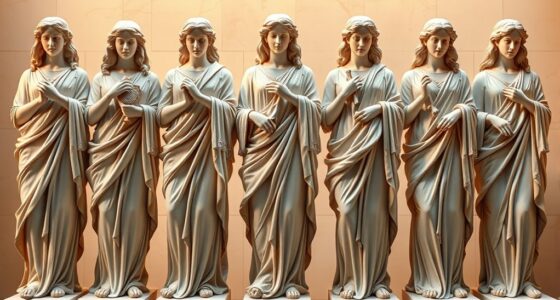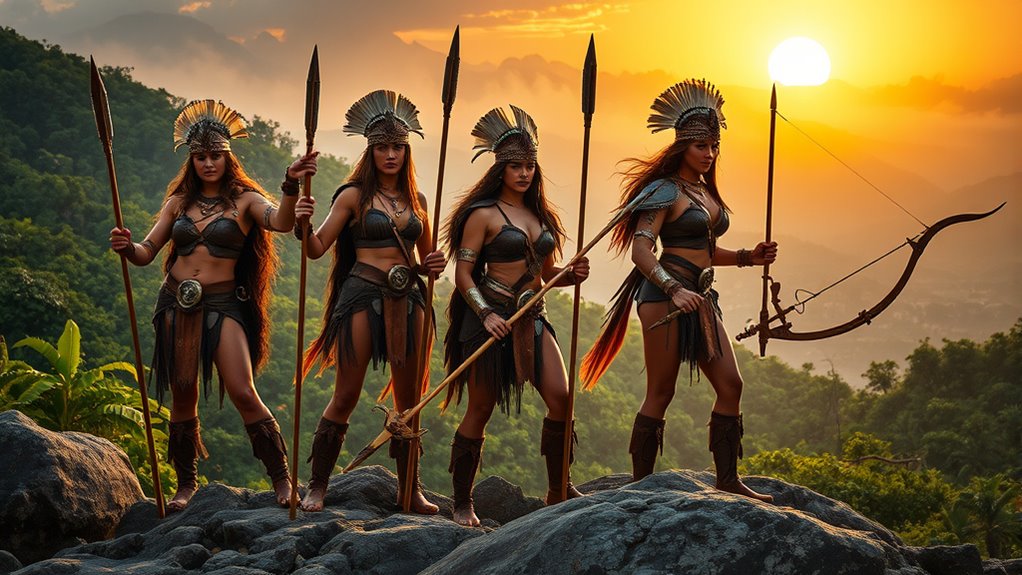

The myth of the Amazons as fierce warrior women likely stems from historical tribes where women fought alongside men, challenging typical gender roles. In regions like Eurasian steppes and nomadic societies, women played active roles in warfare and leadership, inspiring legendary tales of female strength and independence. These stories reflect real cultural practices and societal attitudes. If you’re curious about how these traditions influenced myths and legends, there’s more to uncover about the true origins of the Amazon warriors.
Key Takeaways
- Mythical Amazons may have been inspired by real female warrior tribes in Eurasia and Central Asia.
- Some ancient societies, especially nomadic and frontier cultures, included women in combat and leadership roles.
- Legends likely exaggerate genuine instances of women fighting alongside men in historical warrior communities.
- Greek myths symbolized challenges to patriarchal norms through stories of fierce, independent female warriors.
- The Amazon myth reflects societal perceptions of female strength, possibly rooted in actual cultural practices of female martial prowess.
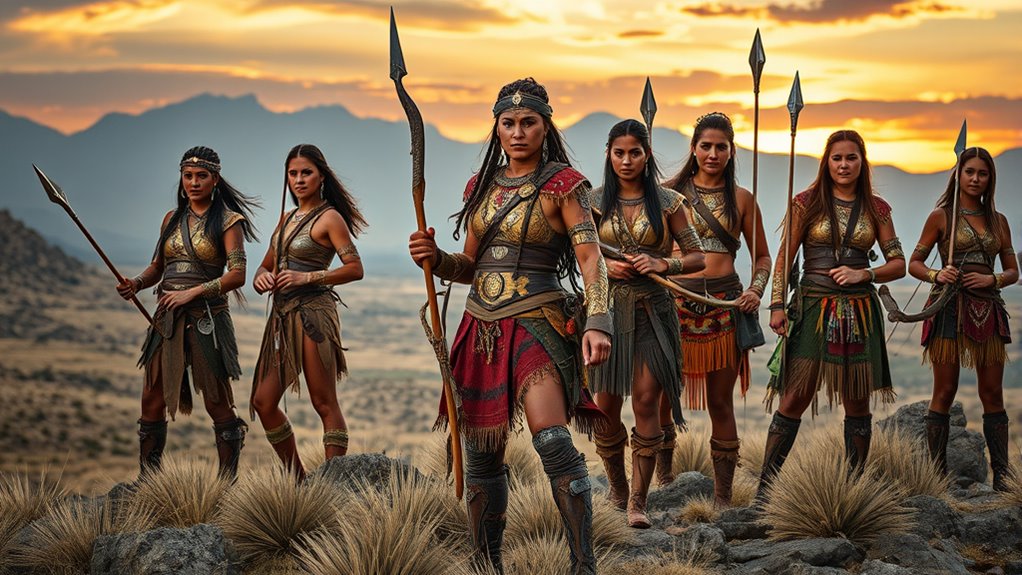
The Amazons have long captivated our imagination as fierce, independent warrior women of myth. Their stories evoke images of women who defy societal expectations, fighting alongside men and ruling their own societies. But beneath the myth lies a question that intrigues historians and enthusiasts alike: were the Amazons inspired by real tribes? To explore this, you need to understand the context of ancient warfare, where gender roles often played a significant part. In many ancient societies, warfare was traditionally a male-dominated activity, with men trained from a young age to fight and defend their communities. However, in certain regions, especially among nomadic tribes and borderlands, women sometimes took on combat roles, challenging the conventional gender roles of their time.
When you look at ancient warfare, you notice that the idea of women as warriors wasn’t entirely fictional. Some tribes, particularly in Central Asia and the Eurasian steppes, had traditions where women fought alongside men. These women weren’t seen as anomalies but as integral parts of their warrior cultures. These tribes often had flexible gender roles, allowing women to participate in battles, hunt, and even lead. Such practices might have inspired the legendary stories of the Amazons, who embodied a society where women took on roles typically reserved for men in other cultures.
Some Eurasian tribes had women fighting and leading, inspiring legendary Amazon stories of gender role defiance in warfare.
The myth of the Amazons also reflects societal attitudes about gender roles. In Greek mythology, the Amazons symbolize a challenge to the patriarchal order, representing a society where women are not only warriors but also rulers. This depiction echoes real-world situations where women, especially in nomadic or frontier societies, gained prominence through their combat skills and leadership. The stories might have been exaggerated over time, but the core idea that women could be fierce fighters is rooted in historical reality.
You should also consider how ancient warfare shaped perceptions of gender, especially in cultures where survival depended on such roles. In times of conflict, some societies valued martial prowess regardless of gender, leading to the emergence of female warriors or leaders. The myth of the Amazons might have been a way to idealize these exceptions, turning real instances into legendary tales. Whether inspired by actual tribes or a reflection of idealized societal fears and hopes, the Amazon myth continues to resonate because it challenges the traditional gender roles and celebrates female strength in the chaos of ancient warfare.

California Costumes Adult Glorious Gladiator Women's Costume
Dress with attached armor
As an affiliate, we earn on qualifying purchases.
As an affiliate, we earn on qualifying purchases.
Frequently Asked Questions
Were Amazons Ever Documented in Ancient Non-Greek Cultures?
Yes, female warrior myths appear in ancient non-Greek cultures, reflecting real ancient warrior societies. You can find stories of women fighting alongside men or leading troops, like the Scythian and Sarmatian tribes in Eurasia. These societies valued female warriors, and their legends influenced Greek myths about the Amazons. So, it’s clear that the concept of female fighters isn’t just Greek fiction but rooted in diverse ancient warrior traditions around the world.
How Accurate Are Modern Depictions of Amazonian Warrior Women?
Did you know that only 4% of modern depictions accurately reflect historical gender roles? Today’s images of Amazonian warrior women often blend cultural myths with fictional elements, emphasizing their strength but oversimplifying their societal roles. While inspired by real tribes, these portrayals tend to romanticize or exaggerate their abilities, so they’re only partially accurate. Keep in mind, they reflect modern storytelling more than factual history.
Did Any Known Tribes Historically Resemble the Amazon Myth?
Yes, some ancient tribes resembled the Amazon myth by forming female warrior societies. For example, the Scythian and Sarmatian tribes in Eurasia featured women who fought alongside men. You can see that these tribes challenged gender roles and had women trained in combat, similar to the legendary Amazons. While not exact, their existence shows that the idea of female warrior societies in history is more than just myth.
Are There Archaeological Finds Supporting the Existence of Amazons?
Archaeological evidence offers intriguing insights but falls short of conclusively proving the existence of Amazons. You’ll find some findings—like weapon fragments and burial sites—that fuel the myth versus reality debate. However, these discoveries often remain ambiguous, leaving the legendary warrior women shrouded in mystery. While tantalizing traces hint at warrior cultures, definitive proof of Amazons as mythic heroines still eludes archaeologists, keeping the myth alive and the mystery intact.
How Did the Myth of Amazons Influence Later Female Warrior Groups?
You see that the myth of Amazons shaped later female warrior groups by challenging traditional gender roles and inspiring women to fight alongside men. As the myth evolved, it fueled stories of strong, independent women, encouraging societal shifts and female empowerment. These stories influenced groups like the Dahomey Amazons and female fighters in various cultures, highlighting the enduring impact of myth on shaping perceptions of women’s roles in combat and society.
ACTJ.M Tactical Combat Vest with Holster for Men and Women Airsoft Training Black Lightweight (cp)
This black tactical vest is designed for Airsoft, with a free-size fit ranging from S to XXXXL. The…
As an affiliate, we earn on qualifying purchases.
As an affiliate, we earn on qualifying purchases.
Conclusion
So, next time you hear about the fierce Amazons, remember they might just be the most legendary warriors in history—so fierce, they could conquer worlds! These mythic women aren’t just stories; they’re the ultimate symbol of strength, courage, and rebellion. Whether inspired by real tribes or pure legend, their spirit lives on, making them the most unstoppable force in myth and history. Believe it—these warrior women could crush mountains if they wanted to!

The Woman Warrior Deborah's Story (Extraordinary Women of the Bible)
As an affiliate, we earn on qualifying purchases.
As an affiliate, we earn on qualifying purchases.
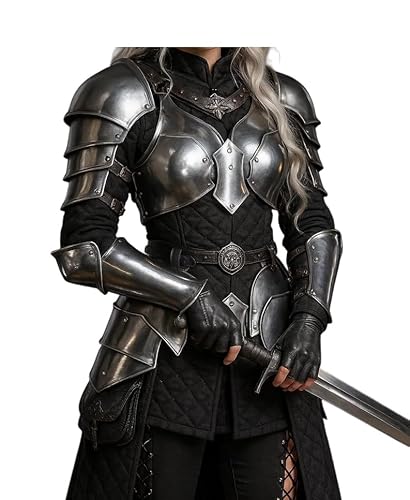
Medieval Knight Brave Lady Armor Pauldron Set Gorget Arm Bracers With Tasset-Female Armor Breastplate-Perfect For Renaissance, LARP, Cosplay, Fantasy & Ren-fair Halloween Party Costume Gift For Women
Complete Armor Set for Women – Includes breastplate (corset style), gorget, pauldrons, arm bracers, and tassets.
As an affiliate, we earn on qualifying purchases.
As an affiliate, we earn on qualifying purchases.