
AI and automation will reshape your work landscape by both transforming roles and creating new opportunities. While some jobs may face displacement, you’ll find automation freeing you from repetitive tasks, allowing you to focus on higher-value activities. Embracing upskilling and ethical use of AI can help you stay ahead. As technologies evolve, understanding their impact can help you adapt and thrive—discover how to navigate this changing world as you continue exploring.
Key Takeaways
- AI and automation are transforming industries by streamlining processes and creating new roles, rather than solely threatening jobs.
- Repetitive tasks are increasingly automated, allowing workers to focus on higher-value and creative activities.
- Successful integration depends on responsible AI use, including transparency, fairness, and employee retraining efforts.
- The impact on employment varies by organization, influenced by implementation strategies and ethical considerations.
- Overall, AI is more likely to augment human work and drive innovation than to cause widespread job displacement by 2025.

Artificial intelligence and automation are transforming industries at a rapid pace, reshaping how work is done and what skills are needed. As these technologies become more integrated into daily operations, you might wonder whether they threaten your job security or open new opportunities. Understanding the impact of automation and the ethics surrounding AI can help clarify what to expect in 2025. AI ethics plays a *crucial* role in guiding how organizations develop and deploy these technologies, *ensuring* they are used responsibly and fairly. Concerns about automation impact often focus on job displacement, but it’s important to recognize that AI can also create new roles and improve productivity. Governments, companies, and workers are increasingly engaging in discussions about responsible AI use, emphasizing transparency, accountability, and fairness. This focus aims to prevent biases, protect privacy, and *ensure* that automation benefits society as a whole. Additionally, the ongoing development of ethical guidelines in AI can help address potential risks and foster trust in these technologies.
You should know that automation impact isn’t solely about replacing jobs; it’s also about augmenting human work. Many tasks, especially repetitive and mundane ones, are increasingly handled by AI systems, freeing you up to focus on higher-value activities like creativity, critical thinking, and interpersonal skills. This shift might initially seem threatening, but it also opens doors for upskilling and reskilling. As AI takes over certain functions, the demand for tech-savvy workers who can manage, interpret, and improve these systems will grow. Consequently, your ability to adapt and learn new skills becomes *vital* in staying competitive in the evolving job landscape. While some roles may diminish, others will emerge, particularly in fields related to AI development, data analysis, and ethics compliance.
Furthermore, the automation impact on industries will vary depending on how organizations implement AI. Those that prioritize ethical considerations and develop responsible AI strategies are more likely to foster a positive environment for workers. This includes investing in employee training and creating a culture that values transparency and fairness. Ultimately, the key lies in viewing AI and automation not solely as threats but as tools to enhance human capabilities. By staying informed about AI ethics and advocating for responsible use, you can position yourself to thrive amid these changes. The future of work in 2025 hinges on how well society manages the automation impact—balancing technological advancements with ethical principles to create a more inclusive and innovative workplace.

ZWO Seestar S50 Smart Digital Telescope All-in-One Autofocus Portable for Beginners and Experienced Users-Open Box Like-New Condition Telescope
Lightweight Design: highly integrated all-in-one smart telescope. Seestar is a compact body that integrates a telescope, electrical focuser,...
As an affiliate, we earn on qualifying purchases.
Frequently Asked Questions
How Will AI Impact Global Economic Inequality by 2025?
By 2025, AI will likely widen income disparity and deepen the digital divide, impacting your opportunities. Those with access to advanced tools and digital skills will benefit most, while others may fall behind. You might see increased inequality if efforts aren’t made to guarantee equitable access. To stay ahead, you’ll need to adapt, upskill, and advocate for policies that address these gaps, fostering a more inclusive economic future.
What New Job Roles Are Expected to Emerge Due to Automation?
You’ll see new roles emerge driven by automation, like AI trainers, automation maintenance specialists, and data ethicists. These automation-driven roles require specialized skills to develop, manage, and oversee automated systems. As technology advances, you might also find yourself in roles focused on human-AI collaboration, innovation strategy, and cybersecurity for automated processes. Embracing these new roles can help you stay relevant and capitalize on the evolving job market in 2025.
Will AI Completely Replace Human Decision-Making in Critical Sectors?
AI dominance likely won’t fully supplant human decision-making in critical sectors. You’ll still need human oversight to guarantee ethical considerations, context, and nuanced judgment are applied. AI can support and enhance decisions, but it can’t fully understand complex situations like humans do. In 2025, your role will involve collaborating with AI systems, leveraging their strengths while maintaining oversight to make responsible, well-informed choices.
How Can Workers Be Reskilled Effectively for Ai-Driven Workplaces?
You can be reskilled effectively for AI-driven workplaces by engaging in targeted training programs and focusing on skill development. Seek out courses that enhance your technical skills, such as data analysis or programming, and also build soft skills like adaptability and problem-solving. Continuously updating your knowledge and staying open to learning will guarantee you stay relevant and valuable in an evolving job landscape.
What Are the Ethical Considerations Surrounding AI in the Workplace?
You should consider the ethical concerns surrounding AI in the workplace, like privacy concerns and algorithmic bias. Protecting employee data is crucial, so ensure transparent policies and secure systems. Be aware that biased algorithms can unfairly impact decisions, so regularly audit AI tools for fairness. Prioritizing ethical practices helps foster trust, ensures compliance, and promotes an inclusive environment where AI benefits everyone without compromising rights or equity.

DWARFLAB Dwarf 3 Smart Telescope - Portable Astrophotography Camera, Capture Astronomy/Wildlife/Panorama, AZ/EQ Mode, Built-in Processing, 4K Auto-Tracking, Ultra-Light 3lb, Ideal for All Ages
【Ultra-Light Design for All Adventures】Only 3lb/1.35kg - World's Most Portable Smart Telescope! Fits perfectly in standard backpack for...
As an affiliate, we earn on qualifying purchases.
Conclusion
As you consider the future, remember that AI and automation could touch 85% of jobs by 2025, transforming how you work. Instead of fearing job loss, think of these tools as opportunities to innovate and grow. Embracing change means you’ll be part of a shift that redefines industries. So, when you see automation in action, picture yourself harnessing it to boost creativity and efficiency—making your work more exciting and meaningful.
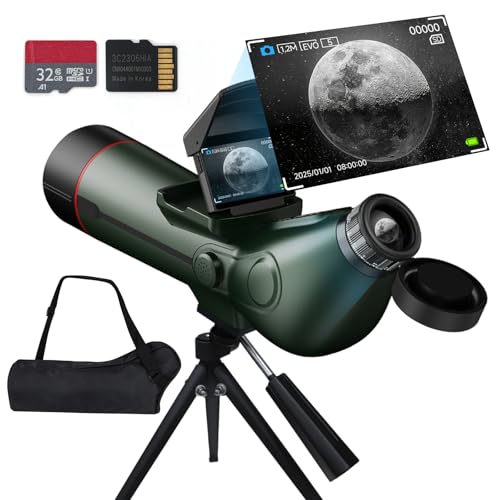
Smart Telescope, Professional Refractor Auto-focus Portable Digital Electronic Telescopes with 4K Astrophotography Camera, Internal And Externat Dual Screens Spotter for Adults and Beginners Astronomy
Exceptional Optical Performance:Equipped with a powerful 80mm aperture and 300mm focal length (f/8.89), this telescope for adults delivers...
As an affiliate, we earn on qualifying purchases.

Celestron NexStar 8SE Computerized Telescope – 8-Inch Schmidt-Cassegrain Optical Tube – Fully Automated GoTo Mount with SkyAlign – Ideal for Beginners and Advanced Users – 40,000+ Object Database
ADVANCED TECH MEETS ICONIC DESIGN: The NexStar 8SE pairs Celestron’s legendary orange tube with a fully computerized GoTo...
As an affiliate, we earn on qualifying purchases.