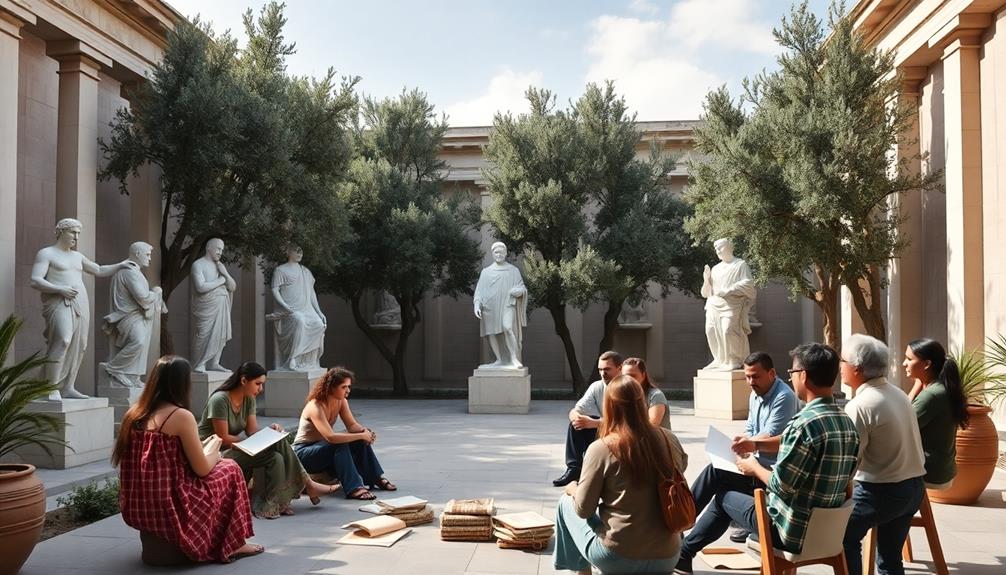
The Trojan War blurs the line between myth and history. Archaeological evidence shows that a city resembling Troy existed and experienced destruction, suggesting real conflict. However, stories from Homer’s epics have been embellished over time with gods and heroes, making it hard to separate fact from legend. While some elements may be based on true events, much remains uncertain. If you want to explore how legend and reality intertwine, there’s plenty more to uncover.
Key Takeaways
- Archaeological excavations at Hisarlik reveal a significant ancient city dating to the late Bronze Age, suggesting a basis for the Trojan legend.
- No definitive artifacts or inscriptions link the archaeological site directly to Homer’s Trojan War story.
- Legends may be inspired by real conflicts, but stories have been mythologized with gods and heroic deeds over time.
- Evidence indicates warfare and destruction layers, yet they do not specify specific events or participants of the legendary siege.
- The Trojan War likely exists on a spectrum between historical fact and myth, with archaeological clues supporting a real city but uncertain details.
Is the Trojan War a historical event or just a myth? This question has puzzled scholars and enthusiasts for centuries. You might have grown up hearing about the legendary city of Troy and its infamous conflict, but the line between ancient legends and historical fact can be blurry. While Homer’s epic poems, like the Iliad, paint a vivid picture of the war, they are rooted in storytelling and poetic embellishment. To determine whether the Trojan War actually happened, you need to explore the archaeological evidence alongside these ancient legends.
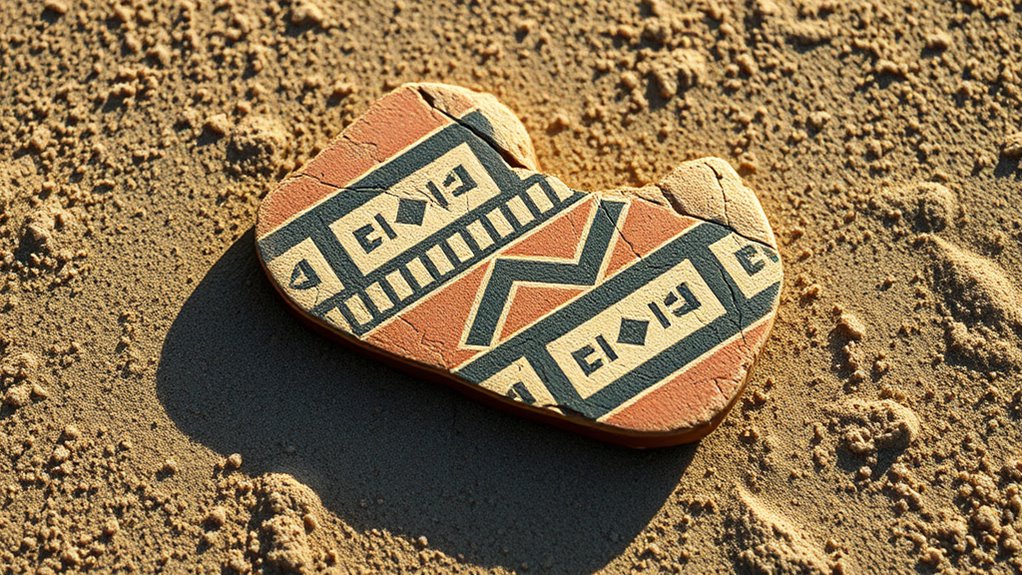
Many archaeologists believe that the story of Troy is based on a real city that was destroyed multiple times over centuries. Excavations at Hisarlik in modern-day Turkey have uncovered layers of ancient settlements, some dating back to the late Bronze Age, around 1200 BCE—roughly the time traditionally associated with the Trojan War. These discoveries suggest that a significant city once stood there and was likely involved in conflicts. However, whether these ruins directly correspond to the Troy of Homer’s tales remains uncertain. The ancient legends may have been inspired by real events, but over time, these stories grew into mythic proportions, filled with gods, heroes, and epic battles that serve more to inspire than to document history. Archaeological evidence provides clues, but it doesn’t give us a complete picture. For instance, the destruction layers uncovered at Troy show evidence of warfare and city destruction, but they don’t specify who was involved or the exact details of a legendary siege. Some findings point to a tumultuous period when cities in the region faced repeated invasions and conflicts, which could have fueled the legend of a grand Trojan War. Still, the absence of definitive inscriptions or artifacts directly linking these ruins to Homer’s story means that much about the war remains speculative.

Scythian Deer Ancient Bronze-Age Artifact Anthropology T-Shirt
Ancient bronze-age Scythian deer artifact anthropology civilization and ancient-history from 7th century BC to the 3rd century BC
As an affiliate, we earn on qualifying purchases.
As an affiliate, we earn on qualifying purchases.
Frequently Asked Questions
What Archaeological Evidence Supports the Existence of Troy?
You’ll find archaeological evidence supporting Troy’s existence in ancient fortifications and Bronze Age artifacts. Excavations at Hisarlik in Turkey reveal multiple layers of city walls and ruins, indicating a significant settlement. These fortifications match descriptions from ancient texts, and Bronze Age artifacts like pottery and tools further confirm a thriving city that could have been the historical basis for Troy. This evidence strongly suggests a real city, not just myth.
How Accurate Are Homer’s Accounts of the Trojan War?
Imagine a tapestry woven with threads of history and myth—Homer’s accounts blend both through poetic license, making their historical accuracy uncertain. While his stories capture the spirit of the Trojan War, they often exaggerate or mythologize events. You should see his epic as a poetic reflection, not a factual chronicle, where symbolism and heroism overshadow strict historical detail, blurring the line between legend and reality.
Did the Trojan War Last Ten Years as Legend Suggests?
You’ll find that the legendary duration of the Trojan War, lasting ten years, blends myth and reality. While ancient sources like Homer claim it lasted a decade, historians debate whether this timeline is accurate or exaggerated for storytelling. In reality, archaeological evidence suggests a shorter conflict, but the myth of a ten-year siege has persisted, capturing imaginations and shaping the legendary narrative that endures today.
Are There Other Ancient Texts Describing the Trojan War?
Yes, other ancient texts describe the Trojan War besides the Iliad. You’ll find references in historical sources like Herodotus and Thucydides, who mention the war’s existence and its impact on Greek history. Additionally, epic poems like the Cypria and the Aethiopis, part of the Epic Cycle, expand on the myth. These texts give you different perspectives, blending myth and history, helping you understand the war’s complex legacy.
How Has Modern Archaeology Changed Our View of the Trojan War?
Modern archaeology acts like a detective revealing hidden clues, changing how you see the Trojan War. Discoveries at Hisarlik, believed to be Troy, support aspects of ancient myths, blurring the line between legend and history. These excavations suggest a real city with a fiery past, making you rethink the war’s scale and impact. While not definitive, archaeological findings offer a fascinating glimpse into a story that’s both myth and history.

JOINPAYA Archaeological Excavation Tools for Kids: 3 Sets Dinosaur Fossil Digging Kits with Mini Hammer Chisel Brush Scraper and Magnifier Science Kits for Dino Eggs and Gem Dig
Portable and Easy to Store: The compact size of each tool makes this dig tool set portable.Each lightweight…
As an affiliate, we earn on qualifying purchases.
As an affiliate, we earn on qualifying purchases.
Conclusion
So, whether you see the Trojan War as myth or history, one thing’s clear: over 200 archaeological digs have attempted to uncover its truth, yet no definitive proof exists. This mystery keeps the story alive, blending legend with history. It’s fascinating to think that a war possibly fought over a woman’s abduction still sparks debates today. Ultimately, the war’s enduring legacy proves how stories shape history, whether fact or fiction.

The Iliad
Iliad
As an affiliate, we earn on qualifying purchases.
As an affiliate, we earn on qualifying purchases.

NATIONAL GEOGRAPHIC Mega Gemstone Dig Kit – Dig Up 15 Real Gemstones and Crystals, Science Kit for Kids, Gem Digging Kit, Gift for Girls and Boys, Mining Kit, Rock Collection
DISCOVER CRYSTAL TREASURES – Give your child the thrill of digging in a real gem mine as they…
As an affiliate, we earn on qualifying purchases.
As an affiliate, we earn on qualifying purchases.