
Indoor air pollution is an invisible yet significant health threat we often overlook. Dust, mold, and chemicals from cleaning products or furniture can harm your lungs and cause allergies or long-term illnesses. Thanks to new monitoring technology, you can now measure indoor pollutants in real-time and take immediate action. Staying aware and proactive helps improve your environment and health. If you keep exploring, you’ll uncover more ways to protect yourself from this silent crisis.
Key Takeaways
- Indoor air pollution significantly impacts health, contributing to respiratory diseases and long-term illnesses worldwide.
- Advances in monitoring technology enable real-time detection of indoor toxins, improving air quality management.
- Poor indoor air quality often goes unnoticed but can cause immediate health issues and chronic conditions.
- Understanding pollution levels helps implement targeted actions like ventilation and filtration to reduce health risks.
- Addressing indoor air pollution is essential to combat the broader global health crisis caused by airborne contaminants.
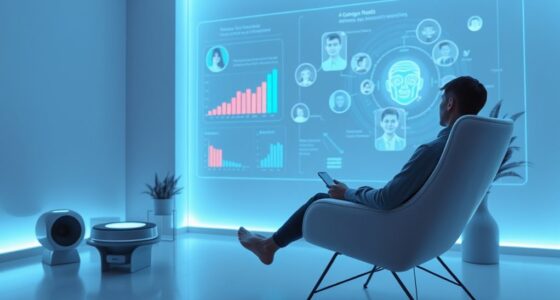
Have you ever wondered how air pollution affects your daily life? It’s not just something outdoors; it’s a silent threat that infiltrates your home and workplace. Indoor air quality plays a pivotal role in your overall health, yet many people underestimate how much pollutants inside can impact well-being. From dust and mold to volatile organic compounds from cleaning products, the air inside your space can harbor harmful particles. Fortunately, advancements in pollution monitoring technology now make it easier to detect and manage indoor pollutants, giving you the tools to improve your environment. These devices measure levels of particulate matter, carbon dioxide, and other toxins, providing real-time data that helps you take action. With smart sensors, you can identify sources of pollution in your home, like faulty heating systems or new furniture off-gassing chemicals, and address them promptly. This proactive approach not only enhances indoor air quality but also reduces potential health risks, such as respiratory issues, allergies, and even long-term illnesses.
Understanding how pollution monitoring technology works empowers you to make smarter choices about ventilation, cleaning, and the use of air purifiers. Instead of relying solely on vague impressions of stuffiness or odors, you get precise information on pollutant levels. You can set alerts to notify you when air quality drops below safe thresholds, prompting immediate action. For example, if levels of fine particles spike due to cooking or nearby traffic, you can increase ventilation or switch on air purifiers designed to filter out harmful particles. This technology bridges the gap between awareness and action, making it easier to maintain a healthy indoor environment. Additionally, learning about air quality standards helps you interpret the data accurately and understand what levels are considered safe or hazardous.
Moreover, tracking indoor air quality helps you recognize patterns and identify recurring issues. If you notice persistent pollutants even after cleaning, it might be time to inspect your HVAC system or consider upgrading filters. Some pollution monitoring devices integrate with smartphone apps, giving you continuous updates and personalized recommendations. These insights enable you to create a healthier living space, reducing your exposure to indoor pollutants that could exacerbate health problems over time. As air pollution continues to be a global crisis, understanding and improving your indoor air quality becomes a fundamental part of safeguarding your health. By leveraging pollution monitoring technology, you gain control over unseen dangers, making your environment safer and more comfortable. Ultimately, staying informed about indoor air quality helps you take meaningful steps toward a healthier lifestyle amidst the ongoing challenges of air pollution worldwide.
Top picks for "pollution invisible global"
Open Amazon search results for this keyword.
As an affiliate, we earn on qualifying purchases.
Frequently Asked Questions
How Does Air Pollution Affect Mental Health?
Air pollution negatively impacts your mental health by contributing to cognitive decline and reducing emotional well-being. When you breathe polluted air, it can cause inflammation in your brain, impairing memory and concentration. Additionally, exposure to high pollution levels often leads to increased stress and anxiety. Protecting yourself from polluted environments can help maintain your mental clarity and emotional stability, ensuring better overall mental health.
What Are the Economic Costs of Air Pollution?
You face significant economic costs from air pollution, including a rising economic burden that strains government budgets and households. Healthcare expenditure increases as more people seek treatment for pollution-related illnesses like respiratory and cardiovascular diseases. Additionally, productivity drops due to illness and absences. These costs collectively impact economic growth, emphasizing the need for policies that reduce pollution and its associated health and financial tolls on society.
Can Indoor Air Pollution Be More Dangerous Than Outdoor?
Yes, indoor air pollution can be more dangerous than outdoor pollution because indoor hazards often come from sources like cooking, smoking, and household chemicals, which can lead to higher concentrations of harmful pollutants. You might not realize these pollution sources pose serious health risks, including respiratory issues and allergies. Since people spend a significant amount of time indoors, exposure to indoor hazards can sometimes be more intense and harmful than outdoor air pollution.
How Do Climate Change and Air Pollution Influence Each Other?
You might be surprised to learn that climate change and air pollution create a dangerous cycle. Climate feedback amplifies pollution’s effects, while pollutant interactions worsen both issues. For example, rising temperatures increase wildfire smoke, adding more harmful particles to the air. As temperatures climb, more pollutants are released, fueling climate change further. You need to understand this connection to help reduce emissions and protect your health and the planet.
What Innovative Technologies Are Emerging to Combat Air Pollution?
You can leverage innovative technologies like advanced air quality sensors to monitor pollution levels in real-time, enabling quicker responses. Pollution control devices, such as smart filters and catalytic converters, are improving efficiency and reducing emissions. By adopting these tools, you help identify pollution sources faster and implement targeted solutions, ultimately improving air quality and protecting public health. Embracing these innovations makes a significant difference in fighting air pollution effectively.
Conclusion
You might not see it, but air pollution affects every breath you take. Did you know that it causes over 7 million premature deaths worldwide each year? This invisible crisis is worsening, threatening your health and the planet. By staying informed and advocating for cleaner air, you can help reduce these deadly emissions. Remember, the power to change the future is in your hands—don’t let this silent killer go unnoticed.