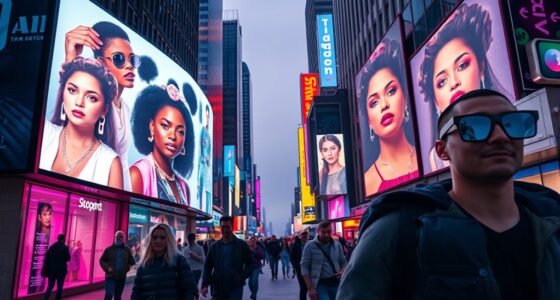
Singles’ Day has transformed from a celebration of independence into the world’s largest shopping event, fueled by digital innovation and changing consumer habits. You’ll find huge discounts, exclusive products, and seamless online experiences that encourage spontaneous spending. Retailers leverage social media and mobile apps to create excitement and urgency. This shift reflects a broader cultural move toward self-care and individualism. Keep exploring to uncover how this global phenomenon continues to reshape shopping and consumer behavior.
Key Takeaways
- Singles’ Day, originating in China, has evolved from a celebration of independence to a global massive shopping event.
- Retailers leverage discounts, flash sales, and digital marketing to drive consumer spending during the event.
- The shift in consumer behavior emphasizes self-care and personal gratification, boosting purchases of electronics, fashion, and beauty.
- Technology, including mobile apps and social media, plays a crucial role in enhancing the seamless online shopping experience.
- Singles’ Day significantly boosts economic activity worldwide, reflecting broader cultural shifts towards individualism and spontaneous spending.
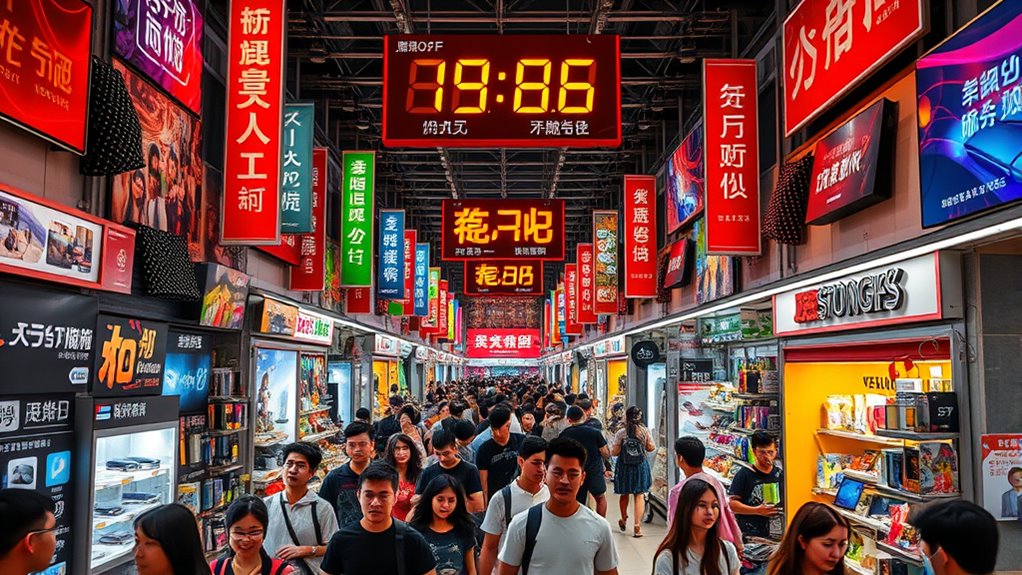
Have you ever wondered how a day dedicated to single people became one of the biggest shopping events in the world? It’s a fascinating story of shifting holiday traditions and consumer behavior. Originally, Singles’ Day started in China as a way for singletons to celebrate their independence, marked by the date 11/11, with its four ones symbolizing single individuals. Over time, it transformed from a relatively niche celebration into a massive commercial phenomenon, largely fueled by changing shopping habits and the rise of e-commerce. Today, it’s not just about recognizing singlehood; it’s about capitalizing on a cultural shift where consumers are enthusiastic to indulge themselves, often with big-ticket purchases, discounts, and special offers.
Singles’ Day evolved from a celebration of independence to a global shopping frenzy driven by changing habits.
The evolution of holiday traditions plays a big role here. Traditionally, many holidays centered around family or romantic partnerships, but Singles’ Day broke away from that mold, emphasizing self-love and personal gratification. This shift in traditions encouraged people to see shopping as a way to treat themselves without guilt. As a result, consumer behavior shifted dramatically. Instead of waiting for holidays like Christmas or Valentine’s Day, people now look forward to Singles’ Day as an opportunity to make purchases they might have postponed or considered unnecessary before. Retailers and brands tapped into this mindset, creating a sense of urgency with flash sales and limited-time deals, which further fueled consumer enthusiasm.
You can see how this change in consumer behavior has turned Singles’ Day into a retail extravaganza. Customers are now more willing to spend on electronics, fashion, beauty products, and even travel packages during this period. Retailers leverage this behavior by offering significant discounts, exclusive products, and seamless online shopping experiences, making it easy for you to indulge without leaving your home. Mobile apps, social media campaigns, and targeted ads all play a role in shaping your shopping habits, transforming Singles’ Day into a dynamic event that’s all about personal satisfaction and quick gratification. Additionally, the integration of technology in hair care routines and other innovations reflect broader consumer trends that influence shopping preferences.
In essence, Singles’ Day has redefined holiday traditions by shifting the focus from external celebrations to individual pleasure. This change influences consumer behavior, turning what was once a simple celebration into the world’s biggest shopping spree. It’s a perfect example of how cultural shifts and evolving traditions can reshape economic landscapes, encouraging you to shop more freely and frequently. So, as you browse through deals and discounts, remember that you’re part of a larger movement—one that celebrates independence, self-care, and smart consumer choices.
Amazon Product B0791JHHLQ
As an affiliate, we earn on qualifying purchases.
Frequently Asked Questions
How Did Singles’ Day Originate?
You might find it interesting that Singles’ Day originated in China in the 1990s as a celebration of singlehood, with students choosing April 20th for its date, symbolizing singles. Over time, its history evolved, turning into a massive shopping event around 2009, driven by Alibaba. Today, Singles’ Day holds cultural significance as a day for self-love and shopping, showcasing China’s unique blend of tradition and modern consumerism.
What Are the Most Popular Products During Singles’ Day?
You’ll find that popular electronics shine during Singles’ Day, thanks to smart flash sale strategies that entice you to shop. Items like smartphones, laptops, and smart gadgets are highly sought after, often discounted considerably. These deals create a buzz, encouraging you to seize the moment. As a result, electronics become the star of the show, drawing massive crowds enthusiastic to upgrade their tech toys at irresistible prices.
How Do Marketers Prepare for Singles’ Day?
You prepare for Singles’ Day by developing targeted promotional strategies that generate excitement and urgency. You collaborate with influencers to reach wider audiences and boost credibility, creating buzz around your deals. You plan flash sales, exclusive discounts, and engaging campaigns well in advance, ensuring your brand stands out amid the massive shopping frenzy. By leveraging social media and data analytics, you can fine-tune your approach for maximum impact on this massive shopping event.
What Impact Does Singles’ Day Have on Global Markets?
Singles’ Day causes significant economic ripple effects and stock fluctuations globally. When sales surge, markets often see increased consumer spending, boosting stock prices of retail giants. However, the event can also trigger volatility as investors react to sales data and economic signals. You’ll notice that this shopping spree influences not just China’s economy but also impacts international markets, shaping investment strategies and global economic outlooks during this major event.
How Do Consumers Ensure They Get the Best Deals?
To get the best deals on Singles’ Day, you should start with price comparison. Check multiple websites and apps to find the lowest prices. Don’t forget to look for early bird deals, as they often offer significant discounts before the main sales start. Set alerts for your favorite items and act quickly, because the best deals sell out fast. Planning ahead helps you save more and avoid missing out.
Amazon Product B0791HG3V8
As an affiliate, we earn on qualifying purchases.
Conclusion
As you plunge into Singles’ Day, remember it’s more than just a shopping frenzy—it’s a whirlwind that turns ordinary days into a celebration of self-love and independence. Like a fireworks display lighting up the night sky, this event sparks excitement and opportunity. So, embrace the thrill, make your choices wisely, and let this day remind you that sometimes, the biggest joy comes from celebrating yourself. After all, you’re the star of your own show.

Day/Night Illuminated, Two-Way Map, 12" Diameter Globe, USA Cartography,Sturdy Metal Base and Blue Ocean Globe Ball.Provoke the imagination in new ways. The Day globe shows the striking colors of a blue ocean political map when not lit. Turn the light on and witness the incredible change to the sky at night. The Night globe names and shows 88 constellations and more than 35 of the brightest stars. This unique globe is great as night light and it features a black base and pewter plated die-cast semi-meridian.
Get two in one product with this magnificent 12 inch diameter globe that has double way map
As an affiliate, we earn on qualifying purchases.

Orionstar 13" Large World Globe with Stand, Educational Globe for Kids Learning, Colorful HD World Map Details, Illuminated Globes Lamp with Stable Heavy Metal Base, Constellation
Discover the World in HD - High-definition printed map makes exploring the globe a visually stunning experience! Your...
As an affiliate, we earn on qualifying purchases.