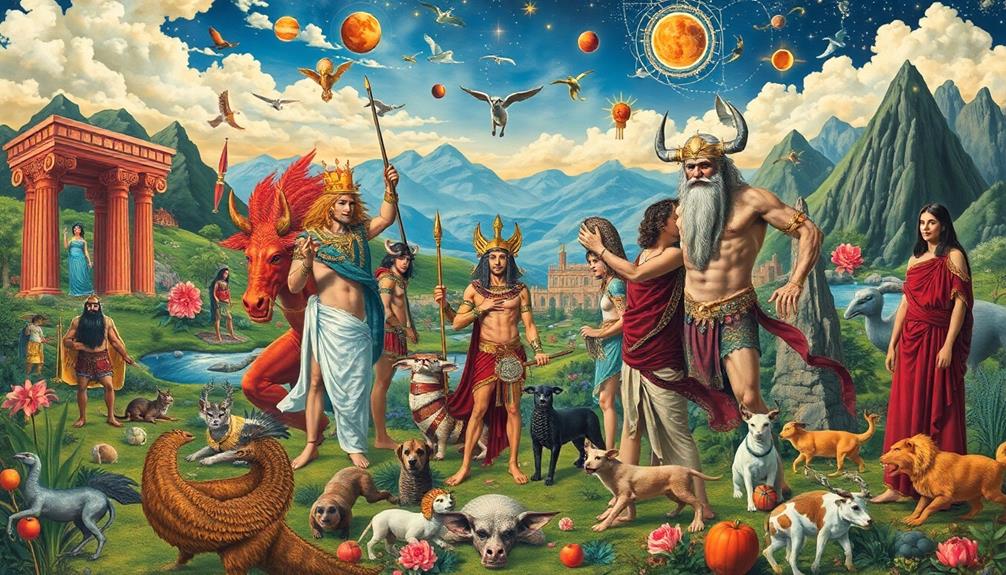

Dream interpretation has transformed from ancient Greek oracles who saw dreams as divine messages, to modern psychology that views them as reflections of your subconscious. In ancient times, symbols and visions guided decisions and spiritual beliefs. Today, psychologists like Carl Jung explore symbols as universal archetypes while considering personal and cultural contexts. Recognizing this evolution helps you better understand your dreams. Exploring this further will reveal how science and tradition combine to open your inner thoughts.
Key Takeaways
- Ancient Greeks viewed dreams as messages from gods, often consulting oracles for interpretation based on symbolic meaning.
- Dream symbols vary across cultures, influenced by cultural beliefs and personal experiences, shaping their interpretations.
- Modern psychology integrates ancient symbolism with scientific insights, notably Carl Jung’s concept of archetypes and the subconscious.
- Dream analysis now combines symbolism and personal context, emphasizing individual experiences and cultural background for accurate understanding.
- Interpreting dreams enhances self-awareness and psychological insight, reflecting an evolving field blending tradition and scientific approaches.

Have you ever wondered what your dreams really mean? Dreams have fascinated humans for centuries, serving as windows into our subconscious, reflections of our deepest desires, fears, and memories. Throughout history, people have sought to decode these nocturnal images, believing they hold messages from divine forces or insights into our future. Today, the field of dream interpretation combines both science and symbolism analysis, but understanding the roots of these practices reveals how cultural influences have shaped our perceptions of dreams. Ancient civilizations, such as the Greeks, placed immense importance on dreams, often consulting oracles who interpreted them as messages from gods. These interpretations relied heavily on symbolism analysis, where specific images or scenarios represented deeper spiritual or moral truths. For instance, dreaming of a lion might symbolize strength or danger, depending on the cultural context. Different cultures assign unique meanings to certain symbols, which underscores how cultural influences shape our understanding of dreams. Native American tribes, for example, view dream symbols as messages from spirits, emphasizing personal and communal guidance. Meanwhile, in Chinese tradition, dreams often reflect balance, harmony, and health, and their interpretations are deeply rooted in philosophical concepts like yin and yang. When you explore the symbolism analysis in dream interpretation, it becomes clear that symbols are not universal; instead, they are colored by your cultural background, upbringing, and personal experiences. Recognizing these influences can help you interpret your dreams more accurately, because what might symbolize transformation in one culture could signify chaos in another. Over time, these cultural influences have evolved, blending ancient beliefs with modern psychology. Today, psychologists like Carl Jung have introduced the idea that dreams are not just messages from external sources but also reflections of your inner psyche. Jung emphasized the importance of archetypes—universal symbols that appear across cultures—and how understanding them can open your subconscious mind. So, when you analyze your dreams, consider both the personal symbols and the cultural meanings attached to them. This dual approach allows for a richer, more nuanced interpretation that respects your individual context. Whether you’re analyzing a recurring dream or a fleeting image, recognizing the cultural influences behind symbols ensures you don’t overlook their significance. It’s a reminder that dream interpretation is both an art and a science, rooted in centuries of tradition but continuously evolving with new psychological insights. Ultimately, understanding the symbolism analysis within your cultural framework helps you decipher the messages hidden in your dreams, giving you a clearer view of your inner world and guiding you toward greater self-awareness. Additionally, considering how sleep patterns and safety guidelines impact the quality of dreams can enrich your overall understanding of the dreaming process.
Frequently Asked Questions
Can Dreams Predict Future Events Accurately?
Dreams don’t predict future events accurately, but they can reveal your subconscious mind through dream symbolism. By paying attention to recurring themes, you might notice patterns that influence your decisions. Dream journaling helps you track these symbols and better understand your feelings. While dreams can offer insights, rely on them cautiously—they’re more about self-awareness than crystal-clear predictions of what’s to come.
Are Recurring Dreams Linked to Unresolved Issues?
Yes, recurring dreams are often linked to unresolved issues. They typically reflect symbolic meanings tied to your emotional processing, revealing underlying concerns or conflicts you haven’t fully addressed. These dreams keep coming back because your subconscious is trying to help you work through unresolved feelings or problems. Paying attention to their symbolic meanings can help you better understand what emotional issues need resolution, leading to personal growth and emotional relief.
How Do Cultural Differences Affect Dream Interpretation?
Cultural differences considerably influence how you interpret dreams through cultural symbolism and interpretive frameworks. Your background shapes the symbols you see and their meanings, so a dream about a snake might symbolize healing in one culture but danger in another. By understanding these cultural nuances, you can gain deeper insights into your dreams, recognizing that interpretations vary based on your cultural context and the interpretive frameworks you naturally adopt.
Can Anyone Learn to Interpret Their Dreams?
Imagine opening a hidden garden where dream symbolism serves as your map. Yes, you can learn to interpret your dreams by exploring interpretation techniques, understanding personal symbols, and paying attention to emotions. With patience, your subconscious becomes clearer, revealing insights and guidance. Like a gardener tending to delicate blooms, you’ll nurture your skills, transforming dreams into meaningful messages that help you navigate your waking life.
Do Nightmares Have Specific Psychological Meanings?
Nightmares often carry symbolic meanings and emotional significance, reflecting your subconscious fears or unresolved issues. When you experience a nightmare, it may point to stress, anxiety, or trauma that needs attention. By exploring these dreams, you can better understand your emotional state and address underlying concerns. Recognizing the symbolic meanings behind nightmares helps you process difficult feelings, ultimately leading to personal growth and emotional resilience.
Conclusion
Dream interpretation is like uncovering a hidden map to your subconscious. Imagine a traveler, lost in a labyrinth, finally finding a secret door that reveals their true desires and fears. Just as explorers trust their compass, understanding your dreams guides you to self-awareness and growth. Whether through ancient or modern methods, listening to your dreams opens a door to deeper understanding—turning mystery into clarity, and fears into insights.