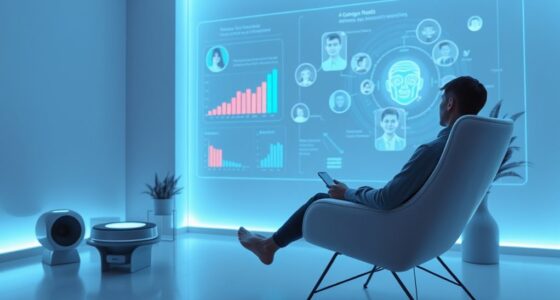

By 2025, the world’s aging population will reshape healthcare by increasing demand for tailored geriatric services, advanced technology, and support systems at home. You’ll see innovations like telemedicine, wearable devices, and smart home tools that help seniors stay independent and safe. Healthcare providers will need new skills to combine compassion with technology. If you want to understand how these changes will impact everyone’s future well-being, there’s much more to explore below.
Key Takeaways
- Global aging populations will increase demand for specialized geriatric healthcare, focusing on chronic conditions, mobility, and mental health.
- Advances in telemedicine, wearable devices, and AI will improve access, diagnostics, and personalized treatment for seniors.
- Smart home technologies like voice assistants and fall detection will enhance safety and independence for older adults.
- Ethical issues around data privacy, equitable access, and digital literacy must be addressed to ensure inclusive care.
- Healthcare providers will need to adopt new skills, integrating technology with compassionate, human-centered care to meet demographic shifts.

As the global population continues to age, healthcare systems face unprecedented challenges in 2025. The rapid increase in older adults means more individuals require specialized support, and you’ll find that geriatric care has become a central focus. Geriatric care isn’t just about treating diseases; it involves managing multiple chronic conditions, addressing mobility issues, and supporting mental health. As someone working within healthcare, you’ll notice that providing thorough, tailored care plans is essential for improving quality of life for seniors. This shift demands not only medical expertise but also a compassionate approach that considers social and emotional well-being.
To meet these needs, healthcare innovation plays a pivotal role. Technologies such as telemedicine make it easier for seniors to access care from their homes, reducing the strain on hospitals and clinics. Wearable devices and remote monitoring tools enable you to track vital signs and detect health issues early, often before symptoms become severe. These innovations empower older adults to maintain independence and stay engaged with their healthcare providers without frequent in-person visits. Furthermore, artificial intelligence and machine learning algorithms are transforming diagnostics and treatment planning, allowing you to develop more precise, personalized care strategies. High refresh rates in medical devices and displays facilitate quicker information processing, enhancing diagnostic accuracy.
Healthcare innovation enhances senior independence through telemedicine, remote monitoring, AI, and personalized care strategies.
You’ll also see a rise in smart home technology designed specifically for aging populations. Voice-activated assistants, fall detection systems, and automated medication dispensers help guarantee safety and adherence to treatment regimens, which is essential given the complexity of geriatric health needs. As a healthcare professional or caregiver, adopting these innovations requires learning new skills and integrating them into daily routines, but the benefits are undeniable. They help bridge gaps in care, reduce hospitalizations, and improve overall health outcomes for seniors.
However, these advances also bring challenges. Guaranteeing equitable access to healthcare innovation is essential, so you must advocate for policies that make these tools affordable and available to all seniors, regardless of socioeconomic status. Additionally, ethical considerations around data privacy and consent become more prominent as digital health solutions expand. As you adapt to these changes, you’ll realize that the future of geriatric care hinges on your ability to combine compassionate, human-centered care with cutting-edge technology. Embracing healthcare innovation isn’t just about keeping pace with demographic shifts; it’s about actively shaping a system that truly meets the complex needs of aging populations. Your role is pivotal in creating a sustainable, effective, and empathetic healthcare landscape in 2025 and beyond.
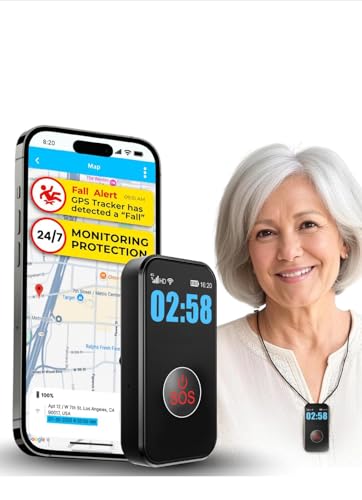
SecuLife Medical Alert Pendant for Seniors — Alerts Go Direct to Family, No Call Center | Auto Fall Detection, GPS Tracking, 2-Way Calling, No Contract, Waterproof Necklace
❤️ 𝐌𝐞𝐝𝐢𝐜𝐚𝐥 𝐀𝐥𝐞𝐫𝐭 𝐏𝐞𝐧𝐝𝐚𝐧𝐭 𝐰𝐢𝐭𝐡 𝐅𝐚𝐥𝐥 𝐃𝐞𝐭𝐞𝐜𝐭𝐢𝐨𝐧: Designed for seniors and individuals with medical conditions, this wearable alert…
As an affiliate, we earn on qualifying purchases.
As an affiliate, we earn on qualifying purchases.
Frequently Asked Questions
How Will Mental Health Services Adapt to Aging Populations?
You’ll see mental health services adapt by expanding geriatric psychiatry programs that focus on older adults’ unique needs. Efforts will prioritize stigma reduction, encouraging more seniors to seek help without shame. Telehealth will become more prominent, making access easier. Training for healthcare providers will emphasize age-specific approaches, ensuring compassionate care. These changes will help you receive better, tailored mental health support as you age, promoting well-being and independence.
What Role Will Technology Play in Elderly Healthcare Delivery?
Technology will transform elderly healthcare by enabling smarter care, better monitoring, and easier access. You’ll benefit from smart wearables that track health metrics in real time, providing early alerts for issues. Telemedicine expansion will allow you to consult healthcare providers from home, reducing travel and wait times. These advancements will create seamless, proactive, and personalized care experiences, empowering you to maintain independence and improve your quality of life.
How Can Caregivers Be Better Supported in Future Healthcare Systems?
You can better support caregivers by providing extensive caregiver training that boosts their skills and confidence. Establishing strong support networks is essential, so they don’t feel isolated. Encourage community programs, peer groups, and accessible resources that offer emotional support and practical advice. By investing in these areas, future healthcare systems will empower caregivers, reduce burnout, and improve overall elderly care quality.
Will There Be New Policies to Reduce Healthcare Disparities Among Seniors?
Yes, new policies are likely to focus on promoting health equity among seniors, aiming to reduce disparities in access and quality of care. You can expect policy reforms that address social determinants of health, improve healthcare coverage, and guarantee culturally competent services. These initiatives will help create a more equitable healthcare system where all seniors receive the support they need, regardless of socioeconomic status or background.
How Will End-Of-Life Care Evolve With an Aging Demographic?
Ever wondered how end-of-life care will adapt? You’ll see a shift toward more personalized advanced care plans, emphasizing patient wishes and quality of life. Healthcare providers will face ethical dilemmas, balancing technological options with compassion. As the population ages, expect more emphasis on palliative and hospice services, ensuring dignity in final moments. This evolution aims to respect individual choices while steering through complex moral considerations, shaping compassionate, patient-centered end-of-life experiences.
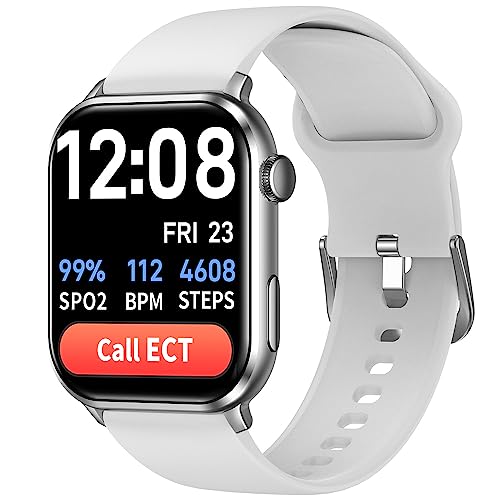
COCO Emergency Alert Smartwatch for Seniors – Fall Detection, SOS Call, Heart Rate & SpO2 Monitor, Medication Reminder, Bluetooth Calling, Caregiver App, BT2-X (2026) (Silver)
【Stay Safe & Independent】 Designed for seniors living alone, providing continuous safety monitoring and emergency alerts for peace…
As an affiliate, we earn on qualifying purchases.
As an affiliate, we earn on qualifying purchases.
Conclusion
As you envision 2025, see bustling hospitals filled with seniors confidently receiving care, their silver hair shining with wisdom. Meanwhile, the world around them shifts—technology bridges gaps, yet strains grow from aging populations. It’s a delicate balance, like a tightrope walk between innovation and resource limits. Your role becomes essential: shaping a future where aging is embraced, and healthcare adapts seamlessly. Together, you can turn this silver tsunami into a wave of resilience and hope.

Third Reality Voice/Music Assistant Dev Edition – Preloaded with Home Assistant Voice Assistant and Music Assistant, Dual Digital Mics, 3W Speaker, 2.4G WiFi only, Open Source
Designed for Home Assistant Voice & Music Workflows: Preloaded with Home Assistant Voice Assistant and Music Assistant. Functions…
As an affiliate, we earn on qualifying purchases.
As an affiliate, we earn on qualifying purchases.

RPM PRO XL Heart Health Diagnostics Product Bundle | Bluetooth Blood Pressure Monitor + Wide-Platform Digital Weight Scale | Remote Patient Monitoring Devices for Chronic Care & Telehealth
COMPLETE HEART HEALTH MONITORING SOLUTION — All-in-one remote patient monitoring bundle designed for chronic condition management, telehealth programs,…
As an affiliate, we earn on qualifying purchases.
As an affiliate, we earn on qualifying purchases.