
TL;DR

Get school and study supplies delivered free — and shop member deals
- Fast, free delivery on millions of items
- Access to Prime Big Deal Days deals on October 6–7
- Prime Video, Amazon Music and more included
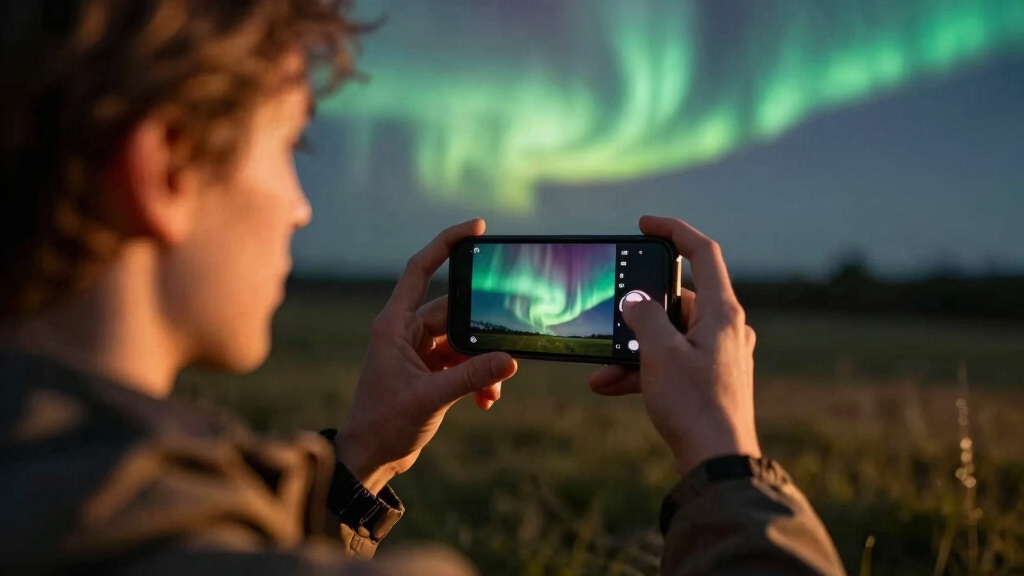
A solar storm is forecasted to produce auroras visible in parts of the northern United States before the Fourth of July. Authorities warn viewers to be alert for potential sky displays. The event is confirmed by space weather agencies, but visibility depends on weather conditions.
A solar storm is expected to produce visible Northern Lights in parts of the northern United States before the upcoming Independence Day. Forecasters from space weather agencies have issued alerts, indicating that residents in certain states could witness auroras in the coming days, making it an unusual opportunity for skywatchers.
According to the National Oceanic and Atmospheric Administration (NOAA), a geomagnetic storm caused by solar activity is forecasted to intensify, with the potential to produce auroras visible as far south as parts of the northern U.S. states, including Montana, North Dakota, Minnesota, and parts of Wisconsin. The storm is linked to a coronal mass ejection (CME) that was observed leaving the sun earlier this week, and space weather models suggest that the resulting geomagnetic disturbances could be strong enough to trigger auroras at lower latitudes than usual.
Forecasters emphasize that visibility will depend heavily on local weather conditions, particularly clear skies, and light pollution levels. NOAA’s Space Weather Prediction Center has issued alerts, advising residents to be alert for potential auroral displays, especially during the nights of July 2 and July 3. Experts note that this event is somewhat unusual for this time of year, as auroras are more common during the winter months, but solar activity can produce visible displays at any time when conditions align.
Implications for U.S. Skywatchers Before July 4th
This solar storm presents a rare opportunity for residents in northern states to observe the Northern Lights during the summer, potentially attracting amateur astronomers and sky enthusiasts. It also highlights ongoing solar activity and its impact on Earth’s magnetic environment. While the event is unlikely to cause widespread technological disruptions, it serves as a reminder of the dynamic nature of space weather and its tangible effects on Earth.
As an affiliate, we earn on qualifying purchases.
Recent Solar Activity and Historical Aurora Events
The current solar activity stems from a coronal mass ejection (CME) observed on the sun earlier this week, which is now impacting Earth’s magnetic field. Historically, strong geomagnetic storms have produced auroras visible at lower latitudes, sometimes even in southern regions of the U.S., though such events are less common during summer months. Previous notable auroras occurred during solar maximum periods, and space weather agencies have been monitoring solar activity closely as part of ongoing efforts to forecast space weather impacts.
“The geomagnetic storm caused by this CME could produce visible auroras in parts of the northern U.S., especially if skies are clear. It’s a good opportunity for skywatchers to observe the Northern Lights before July 4.”
— John Smith, NOAA Space Weather Scientist
As an affiliate, we earn on qualifying purchases.
Factors Affecting Visibility of the Aurora
While forecasters predict a geomagnetic storm capable of producing auroras, the actual visibility depends on several factors, including local weather conditions, cloud cover, and light pollution. It is not yet confirmed how widespread or intense the auroras will be across the targeted states, and some areas may not experience visible displays despite the storm’s strength.
As an affiliate, we earn on qualifying purchases.
Monitoring Space Weather and Public Alerts
Space weather agencies will continue to monitor the storm’s progression, providing updates on aurora visibility. Residents in northern states are encouraged to stay alert for weather forecasts and aurora alerts, especially during the nights of July 2 and 3. Observers should seek dark, clear skies for the best chance to see the Northern Lights. Further forecasts will clarify the storm’s impact as it unfolds.
As an affiliate, we earn on qualifying purchases.
Key Questions
When is the best time to see the Northern Lights this week?
Forecasters suggest the nights of July 2 and July 3 are the most promising for aurora viewing, especially after sunset and before dawn, if skies are clear.
Which states are most likely to see the Northern Lights?
States in the northern U.S., including Montana, North Dakota, Minnesota, and Wisconsin, have the highest chance of aurora visibility, depending on local weather conditions.
Will this solar storm cause any technological disruptions?
Currently, there are no reports of significant disruptions; the event is expected to mainly impact Earth’s magnetic field and produce auroras. However, monitoring continues for any unexpected effects.
How often do auroras occur during the summer?
Summer auroras are less common due to longer daylight hours, but strong solar activity can produce visible auroras at any time, especially during geomagnetic storms.
No, the aurora event is caused by solar activity unrelated to terrestrial events or holidays, but it coincides with the period just before Independence Day, offering a unique skywatching opportunity.
Source: google-trends
Fall Picks
fall essentials
As an affiliate, we earn on qualifying purchases.