
TL;DR

Prime made for students and young adults
- Fast, free delivery for dorm and study essentials
- Prime Video and Amazon Music included
- Member-only deals
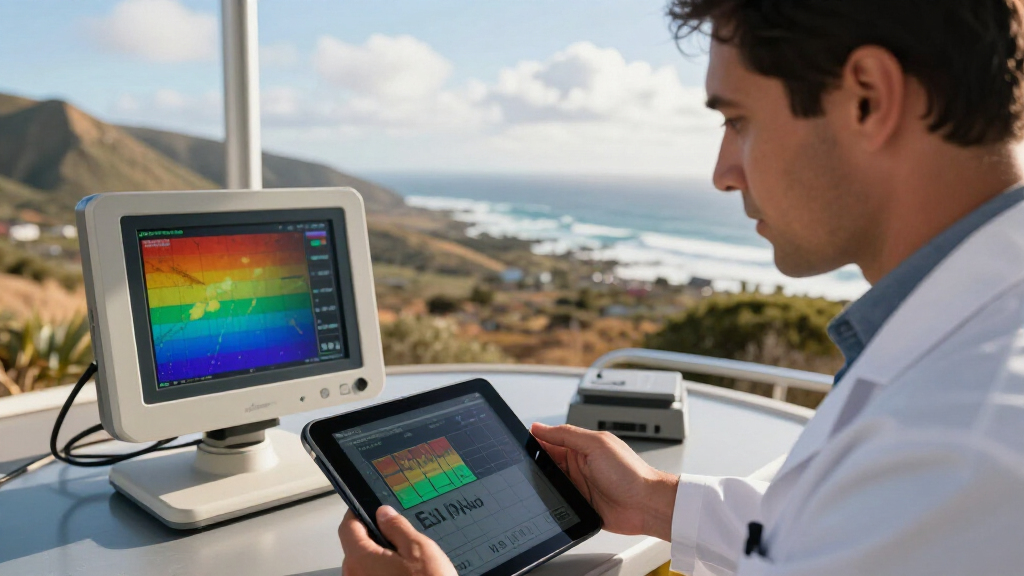
Meteorologists confirm the emergence of El Niño in early 2024, a climate phenomenon that could cause severe weather events globally. The development is confirmed, but specific impacts remain uncertain.
Scientists have confirmed that an El Niño climate pattern has developed in early 2024, marking a significant shift in global weather systems. This development is expected to influence weather extremes, including heavy rainfall, droughts, and temperature fluctuations, impacting millions worldwide. You can learn more about the El Nino Southern Oscillation and its effects. The confirmation follows recent oceanic and atmospheric data analysis by leading climate agencies, which are closely monitoring the El Nino Southern Oscillation patterns.
El Niño is characterized by the warming of sea surface temperatures in the central and eastern tropical Pacific Ocean. According to the National Oceanic and Atmospheric Administration (NOAA), the current sea surface temperature anomalies meet the criteria for an official El Niño event. This pattern, which occurs irregularly every two to seven years, has the potential to alter weather patterns across continents.
Weather agencies worldwide, including the World Meteorological Organization (WMO), have issued alerts about the likely impacts of this phenomenon. These include increased risk of heavy rainfall and flooding in some regions, and droughts and heatwaves in others. The development also raises concerns about its effects on agriculture, water resources, and disaster preparedness efforts, especially with the upcoming 2026 Super El Nino Forecast.
While the presence of El Niño is confirmed, scientists caution that the precise intensity and regional impacts are still being assessed. The phenomenon typically peaks during the boreal winter, but early signs indicate significant influence on global climate patterns starting from the second quarter of 2024.
Implications of El Niño for Global Weather and Society
The confirmation of El Niño’s development in 2024 is significant because it can lead to widespread weather disruptions, including increased frequency of storms, droughts, and temperature extremes. These changes pose risks to agriculture, infrastructure, and public safety across multiple continents. Governments and organizations are advised to prepare for potential emergencies and adapt their climate resilience strategies accordingly.
Moreover, El Niño events have historically contributed to economic losses, especially in sectors like agriculture, fisheries, and disaster response. Understanding its progression allows policymakers and communities to better anticipate and mitigate adverse outcomes.
As an affiliate, we earn on qualifying purchases.
Recent Trends and Historical Impact of El Niño Events
El Niño is part of the larger El Niño-Southern Oscillation (ENSO) cycle, which also includes La Niña and neutral phases. The last significant El Niño occurred in 2018-2019, causing notable weather anomalies worldwide. Past events have been linked to severe droughts in Australia, devastating floods in South America, and heatwaves across North America and Africa.
Climate scientists have monitored the Pacific Ocean’s temperature anomalies since late 2023, noting a steady warming trend that has now met the threshold for an official El Niño declaration. The pattern’s development has been predicted by climate models, which suggest a higher likelihood of intense impacts this year compared to recent years.
Experts emphasize that while El Niño is a natural climate cycle, its frequency and intensity may be influenced by ongoing climate change, potentially amplifying its effects.
“The emergence of El Niño in 2024 is confirmed based on current oceanic and atmospheric data. We expect significant impacts on weather patterns globally, but regional effects will become clearer over the coming months.”
— Dr. Maria Lopez, NOAA Climate Scientist
weather-resistant outdoor generator
As an affiliate, we earn on qualifying purchases.
As an affiliate, we earn on qualifying purchases.
Regional Impact Variability and Future Severity
While the development of El Niño is confirmed, the specific regional impacts and severity are still uncertain. Climate models predict a range of possible scenarios, but precise timing, intensity, and affected areas are still being analyzed. The potential for stronger or weaker impacts remains a subject of ongoing research.
As an affiliate, we earn on qualifying purchases.
Monitoring and Preparedness Efforts in the Coming Months
Climate agencies worldwide will continue to monitor oceanic and atmospheric conditions closely. Updates on the strength and regional impacts of El Niño are expected in the next few months, especially as the peak season approaches. Governments are advised to review and update their disaster preparedness plans accordingly.
Scientists will also refine their models to better predict regional effects, helping communities prepare for possible extreme weather events linked to the phenomenon.
As an affiliate, we earn on qualifying purchases.
Key Questions
What is El Niño and why does it matter?
El Niño is a climate pattern characterized by warming sea surface temperatures in the Pacific Ocean, which can lead to significant weather changes globally, including storms, droughts, and temperature shifts. It matters because it affects agriculture, water resources, and disaster risk management worldwide.
When is El Niño expected to peak in 2024?
Typically, El Niño peaks during the Northern Hemisphere winter, around December to February. Current data suggest that its influence will become more pronounced in the second quarter of 2024, with peak impacts likely in late 2024.
How does El Niño affect global weather?
El Niño can cause increased rainfall and flooding in some regions like South America and Southeast Asia, while leading to droughts and heatwaves in others, such as Australia and parts of Africa. It also influences hurricane activity and temperature anomalies worldwide.
Can climate change influence El Niño events?
Scientists believe climate change may affect the frequency and intensity of El Niño events, potentially making them more severe or unpredictable. However, the exact relationship is still under study.
What should communities do to prepare for El Niño?
Communities should review and update disaster response plans, strengthen infrastructure, and stay informed through official weather alerts. Early preparedness can reduce the impact of extreme weather linked to El Niño.
Source: google-trends
Halloween Picks
halloween
As an affiliate, we earn on qualifying purchases.