
TL;DR

Prime made for students and young adults
- Fast, free delivery for dorm and study essentials
- Prime Video and Amazon Music included
- Member-only deals
The Food and Agriculture Organization (FAO) has confirmed that the upcoming El Niño event will cause severe drought in certain regions. This development signals significant risks to agriculture and food security in affected areas, though precise impacts are still being assessed.
The Food and Agriculture Organization (FAO) has confirmed that the upcoming El Niño event is expected to cause severe drought in specific regions, notably in parts of Africa, South America, and Asia. This forecast underscores the potential for significant impacts on agriculture and food security in these vulnerable areas, making it a critical concern for policymakers and aid organizations worldwide.
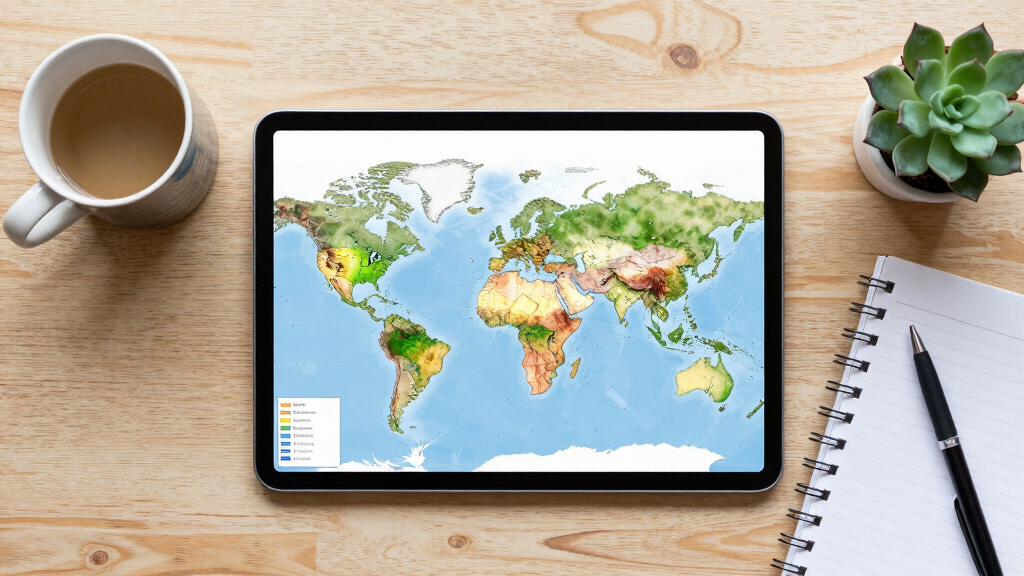
The FAO’s latest climate and drought modeling indicates that El Niño, which is predicted to strengthen over the coming months, will lead to below-average rainfall in key agricultural zones. According to FAO climate analysts, regions in eastern Africa, the southern Amazon basin, and Southeast Asia are most at risk of experiencing prolonged drought conditions.
While the FAO has not yet specified exact timelines or severity levels for each region, officials emphasize that early warnings are crucial for mobilizing preparedness and response efforts. The forecasts are based on current oceanic and atmospheric data, with models indicating a high likelihood of drought in these areas during the upcoming dry season.
Experts caution that drought conditions could exacerbate existing food security challenges, especially in countries already facing economic or political instability. The FAO’s assessment aims to inform governments and international agencies to prioritize resource allocation and mitigation strategies.
Impacts on Global Food Security and Aid Planning
The forecasted drought driven by El Niño could lead to crop failures, water shortages, and increased food prices in vulnerable regions. This development matters because it could worsen hunger and malnutrition, particularly in countries heavily dependent on rain-fed agriculture. Early identification of at-risk areas allows governments and aid organizations to implement targeted interventions, potentially mitigating some of the adverse effects. The FAO’s forecast underscores the importance of proactive planning in the face of climate variability and extreme weather events, highlighting the interconnectedness of climate and food security globally.water storage containers for drought
As an affiliate, we earn on qualifying purchases.
As an affiliate, we earn on qualifying purchases.
El Niño Cycles and Historical Drought Patterns
El Niño, a climate phenomenon characterized by warming of surface waters in the central and eastern Pacific Ocean, occurs irregularly every two to seven years. Historically, El Niño events have been linked to widespread droughts and floods worldwide, disrupting agriculture and water supplies. The current forecast suggests this cycle may intensify, following recent years of variable climate patterns. The FAO’s climate models incorporate historical data and recent oceanic signals to predict regional impacts, emphasizing the recurring nature of El Niño-related droughts and their socioeconomic consequences.“Early warnings are vital. By understanding where drought will hit hardest, we can better prepare and support affected communities before crises deepen.”
— José Ramirez, FAO Director of Climate and Environment
As an affiliate, we earn on qualifying purchases.
Limitations and Variables in Drought Predictions
While the FAO’s models provide a strong indication of drought-prone regions, precise severity, timing, and duration of impacts remain uncertain due to the complex nature of climate systems. Variations in local weather patterns, human activity, and unforeseen climate interactions could alter the forecasted outcomes, and ongoing monitoring is required to refine predictions.As an affiliate, we earn on qualifying purchases.
Monitoring, Preparedness, and International Response
FAO and climate agencies will continue to update drought forecasts as new data emerges. Governments in vulnerable regions are advised to strengthen drought preparedness measures, including water conservation, crop diversification, and early warning systems. International aid organizations are expected to mobilize resources to support at-risk communities, with a focus on food security and resilience building. Further assessments and climate modeling will inform longer-term strategies to manage El Niño’s impacts.As an affiliate, we earn on qualifying purchases.
Key Questions
Which regions are most at risk from El Niño-induced drought?
According to the FAO, eastern Africa, the southern Amazon basin, and Southeast Asia are most vulnerable to drought conditions caused by the upcoming El Niño event.
How certain are the FAO’s drought predictions?
The FAO’s models are based on current climate data and historical patterns, but the exact severity and timing of drought impacts remain uncertain due to climate variability and local factors. Ongoing updates are expected.
What can governments do to prepare for this drought risk?
Officials are encouraged to implement water conservation measures, promote drought-resistant crops, strengthen early warning systems, and coordinate with international aid agencies to ensure rapid response if needed.
How does El Niño typically affect global food supplies?
El Niño can cause droughts in some regions, reducing crop yields, and floods in others, damaging infrastructure. These disruptions can lead to higher food prices and increased hunger in vulnerable populations.
Source: google-trends
Fall Picks
fall essentials
As an affiliate, we earn on qualifying purchases.