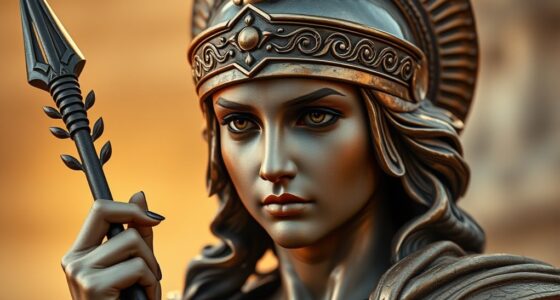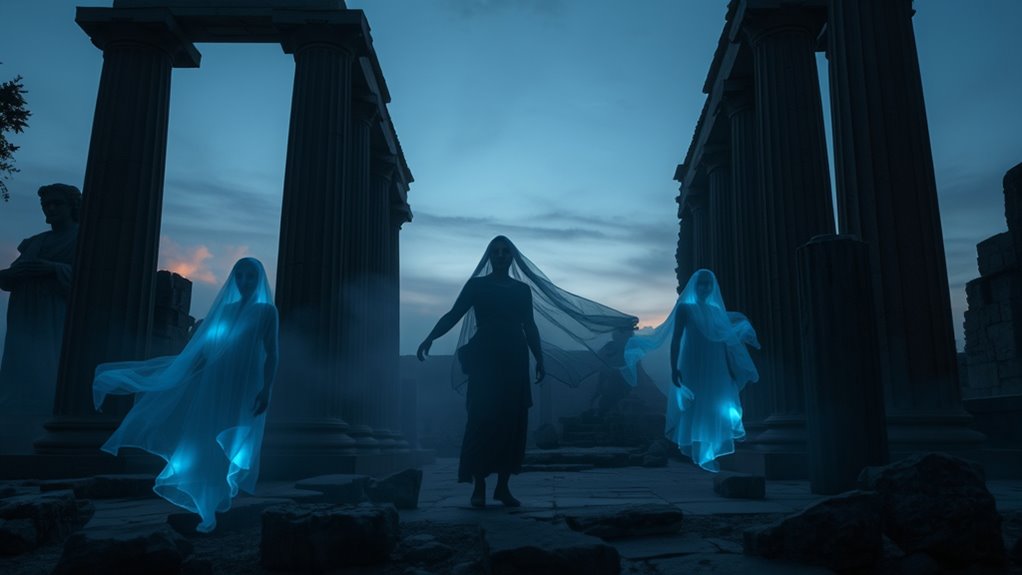

In ancient Greece, ghosts and spirits played a crucial role in how people viewed death and the afterlife. Proper funeral rites, including offerings and rituals, were believed to help the soul shift peacefully, while improper rites could leave spirits restless and haunting the living. Ghosts often served as moral warnings or manifestations of unresolved issues. If you want to explore how myth and customs shaped these beliefs, there’s more to uncover about their fascinating world of spirits.

Prime made for students and young adults
- Fast, free delivery for dorm and study essentials
- Prime Video and Amazon Music included
- Member-only deals
Key Takeaways
- Ancient Greek ghosts were spirits of the dead, often haunting due to improper burial or unresolved issues.
- Rituals and offerings aimed to appease spirits and prevent hauntings, emphasizing proper funeral rites.
- Mythological spirits like Hades and Persephone governed the afterlife, influencing beliefs about ghosts and spirits.
- Ghosts served as moral warnings, embodying vengeful or protective roles linked to life conduct.
- Cultural practices evolved to honor spirits, blending myth, religion, and rituals to maintain harmony between the living and the dead.
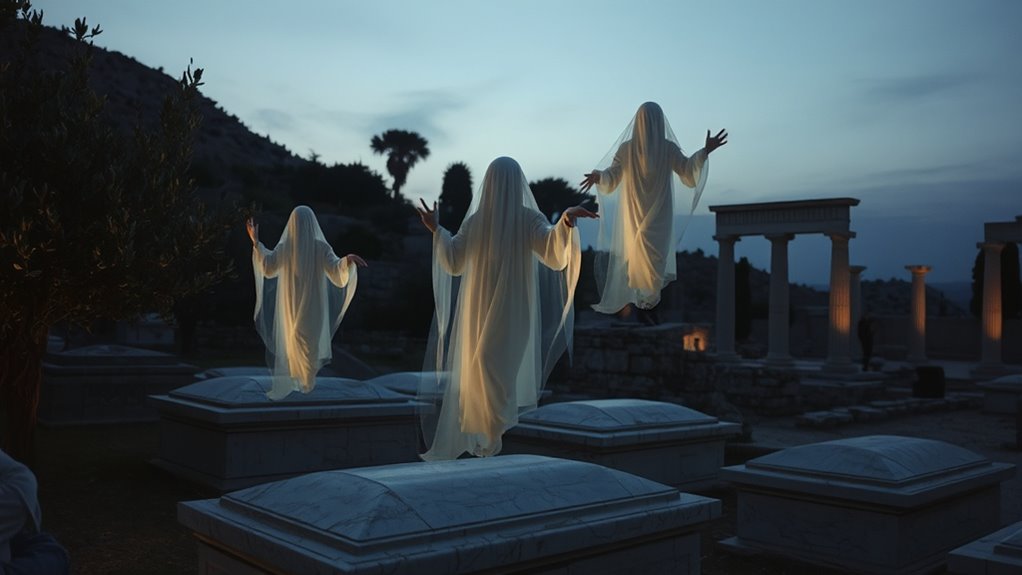
In ancient Greece, stories of ghosts and spirits permeated everyday life, reflecting a deep belief in the presence of the supernatural beyond death. These stories weren’t just tales to scare children; they shaped how people understood life, death, and what might come after. The Greeks believed that the soul didn’t simply vanish after death but continued to exist in a shadowy domain, often influenced by mythological spirits and the rituals performed to honor the dead. Funeral rites played a vital role in shaping the journey of the soul, ensuring it moved smoothly into the afterlife or found peace among the spirits. These rites included offerings, prayers, and specific ceremonies designed to appease both the deceased and the mythological spirits believed to inhabit the realm of the dead. Proper Funeral rites were considered essential to prevent the dead from becoming restless ghosts who might haunt the living, emphasizing the importance of ritual correctness. You’d likely participate in or observe elaborate funeral rituals that aimed to protect the living from restless spirits and guide the dead’s soul. The Greeks believed that improper funeral rites could cause the spirit to become a wandering ghost, haunting the living out of frustration or anger. To prevent this, families would often leave food offerings and perform libations, hoping to satisfy the spirit and keep it at peace. Mythological spirits, such as Hades and Persephone, governed the underworld, but lesser spirits and ghosts also played significant roles in their stories. These spirits were thought to linger for various reasons—some out of attachment, others due to unresolved issues or improper burial practices. As a result, the Greeks saw ghosts as both warnings and manifestations of the soul’s ongoing existence, often linked to moral lessons or cultural values. You might also encounter stories of mythological spirits who could influence the living or even haunt specific locations. These spirits ranged from vengeful ghosts seeking justice to protective ancestors offering guidance. The Greeks believed that understanding these spirits and their stories helped explain the mysteries of death and the afterlife. They also saw ghosts as reminders of human morality, urging people to lead righteous lives so their spirits wouldn’t become restless. Over time, the customs surrounding funeral rites and the veneration of spirits grew more sophisticated, blending myth with religious practice. This cultural attitude towards spirits and the afterlife continues to influence how we think about ghosts and the unseen world, reminding us that for the Greeks, death was just a doorway to another domain filled with mythological spirits and eternal stories.
ancient Greek funeral ritual kit
As an affiliate, we earn on qualifying purchases.
As an affiliate, we earn on qualifying purchases.
Frequently Asked Questions
How Did Ancient Greeks Differentiate Between Spirits and Ghosts?
You see, the ancient Greeks distinguished spirits from ghosts through their spirit distinctions and ghost classifications. Spirits were seen as divine or semi-divine beings, often associated with gods or natural forces, while ghosts were considered the restless souls of the deceased who lingered due to unresolved issues. They believed ghosts could haunt the living, whereas spirits held a more positive or neutral role in the spiritual domain.
Were Ghost Stories Used for Moral or Educational Purposes?
You might be surprised to learn that over 60% of ancient Greek stories involving ghosts served as moral lessons or educational tools. These tales weren’t just spooky; they taught virtues like piety, respect for the dead, and the consequences of hubris. By sharing ghost stories, you actively reinforce moral values and social norms, helping people understand what behaviors are acceptable and what could lead to spiritual or societal harm.
What Role Did Rituals Play in Communicating With the Dead?
You perform funerary rites and ancestor veneration to communicate with the dead. Rituals like offerings, prayers, and libations serve as a bridge, showing respect and maintaining a connection. These acts help guarantee the spirits’ well-being and encourage their continued presence in the living world. By participating in these rituals, you honor your ancestors and foster a sense of continuity between the past and present.
Did Gender Influence Beliefs About Ghosts and Afterlife?
Yes, gender influenced beliefs about ghosts and the afterlife, shaped by societal perceptions and gender roles. Men and women often experienced different expectations and fears surrounding the supernatural, with women sometimes seen as more vulnerable to spirits or more connected to the spiritual domain. These perceptions affected rituals and stories, reinforcing societal norms about gender and the supernatural, and influencing how each gender interacted with or understood ghosts and the afterlife.
Are There Any Surviving Ancient Greek Texts Describing Ghost Encounters?
You’ll find that about 50 ancient Greek texts mention ghost encounters or spirits, showing their importance. These writings, like Homer’s Odyssey and Plato’s dialogues, describe interactions with spirits and afterlife beliefs. While modern ghost folklore often draws on such stories, archaeological ghost evidence is scarce, making these texts essential sources. They reveal that ancient Greeks genuinely believed in spirits, shaping their view of the afterlife and haunting phenomena.
spirit offerings and libation set
As an affiliate, we earn on qualifying purchases.
As an affiliate, we earn on qualifying purchases.
Conclusion
So, as you’ve seen, the spirits of ancient Greece seeped into stories, superstitions, and solemn shadows. Their haunting histories highlight a heartfelt hope to honor, remember, and understand the afterlife’s arcane allure. By bridging belief and borderland, they beckon you to believe in the beyond, where phantoms persist and passions persist. Remember, in their restless reveries, the ghosts of Greece guide us gently through the ghostly gray areas of life, loss, and legacy.
mythological spirit figurines Hades Persephone
As an affiliate, we earn on qualifying purchases.
As an affiliate, we earn on qualifying purchases.
ghost haunting prevention charms
As an affiliate, we earn on qualifying purchases.
As an affiliate, we earn on qualifying purchases.
Fall Picks
fall essentials
As an affiliate, we earn on qualifying purchases.