
By 2025, you’ll experience 5G everywhere, transforming how you connect with faster speeds, lower latency, and more reliable service. IoT devices will seamlessly integrate into your daily life, creating smarter environments. Advanced spectrum management will guarantee efficient connectivity, bridging gaps in underserved areas. As 6G approaches, industry innovations will further enhance networks and device capabilities. Staying informed will reveal how these advances reshape your digital world and open new possibilities.
Key Takeaways
- Global 5G deployment enhances connectivity, speeds, and reliability, transforming how people work, socialize, and access information by 2025.
- IoT integration in daily life creates smarter environments, demanding advanced spectrum management for seamless device communication.
- Dynamic spectrum allocation and AI tools optimize network capacity, ensuring efficient use and reducing connectivity gaps.
- Strategies focus on bridging the digital divide by expanding high-quality coverage to underserved rural and urban areas.
- Future industry developments include 6G technology, more intelligent infrastructure, and inclusive connectivity to support diverse needs.

What will the telecom landscape look like in 2025? It’s a future where connectivity becomes more seamless and pervasive than ever before. As 5G continues to roll out globally, you’ll experience faster speeds, lower latency, and more reliable connections, transforming how you work, socialize, and access information. But beyond just faster networks, the real game-changer will be how telecom providers harness IoT integration and spectrum management to create a smarter, more efficient ecosystem. IoT devices will become embedded in your daily life—smart homes, wearables, connected cars—making everything more responsive and data-driven. This surge in IoT integration demands sophisticated spectrum management, ensuring that all these devices operate smoothly without interference or congestion. You’ll notice that telecom companies are investing heavily in dynamic spectrum allocation techniques, allowing them to adapt frequencies in real time based on demand. This not only improves network efficiency but also helps bridge the digital divide, bringing high-quality connectivity to underserved areas. Spectrum management will evolve into a finely tuned process, balancing the needs of existing services while accommodating the explosive growth of new IoT applications. You’ll see operators deploying AI-powered tools that monitor and optimize spectrum use continuously, preventing bottlenecks and ensuring consistent service. This approach enables a more flexible and resilient network infrastructure, capable of supporting the ever-increasing load of connected devices. As a user, you’ll benefit from this seamless integration, with fewer dropped connections, enhanced coverage, and smarter network responses that anticipate your needs. The challenge lies in managing this spectrum effectively, especially as the number of IoT devices skyrockets. Telecom providers will need to develop innovative strategies to allocate frequencies dynamically, avoiding interference and maximizing capacity. They’ll also work closely with regulators to ensure that spectrum is used efficiently and fairly, fostering a healthy environment for innovation. The integration of IoT and sophisticated spectrum management will drive a new era of connectivity, making it more inclusive and accessible. You’ll see rural areas gaining better access, cities becoming smarter hubs, and industries transforming with real-time data. This evolution isn’t just about faster networks; it’s about creating an intelligent and adaptable infrastructure that supports the diverse needs of individuals, businesses, and communities. In 2025, the telecom landscape will be a finely balanced ecosystem, where cutting-edge spectrum management practices enable a thriving world of interconnected devices, ensuring that no one is left behind in the digital age. A new wave of AI-powered tools will play a crucial role in optimizing spectrum use and enhancing network resilience, further advancing this interconnected ecosystem.

TP-Link AX1800 WiFi 6 Router (Archer AX21) – Dual Band Wireless Internet, Gigabit, Easy Mesh, Works with Alexa – A Certified for Humans Device, Free Expert Support
DUAL-BAND WIFI 6 ROUTER: Wi-Fi 6(802.11ax) technology achieves faster speeds, greater capacity and reduced network congestion compared to…
As an affiliate, we earn on qualifying purchases.
As an affiliate, we earn on qualifying purchases.
Frequently Asked Questions
How Will 6G Differ From 5G in Practical Applications?
You’ll find 6G differs from 5G by offering even lower network latency and enhanced AI integration, enabling smarter, faster applications. This means real-time data processing improves, supporting more advanced technologies like autonomous vehicles and augmented reality. You’ll experience seamless connectivity across devices, with richer user interactions. Fundamentally, 6G pushes the boundaries of speed and intelligence, transforming how you interact with digital environments and making connected experiences more intuitive and responsive.
What Are the Environmental Impacts of Expanding Telecom Infrastructure?
Environmental effects escalate as expanding telecom infrastructure demands more energy and materials. You might see increased electronic waste, but opting for recyclable materials can reduce this impact. Growing energy consumption from new towers and devices strains resources and raises carbon footprints. By prioritizing sustainability, you can help minimize environmental harm, ensuring that progress in connectivity doesn’t come at the planet’s expense. Every effort counts in protecting our environment while enhancing connectivity.
How Will Rural Areas Benefit From New Connectivity Technologies?
You’ll see rural areas benefit from new connectivity technologies through improved rural connectivity, which means faster internet and reliable service. This enhances digital inclusion, giving you access to education, healthcare, and economic opportunities previously out of reach. With advanced networks, you can connect seamlessly, reducing the digital divide and empowering your community to thrive in a more connected world.
What Cybersecurity Challenges Will Emerge With Advanced Networks?
You must brace yourself for cybersecurity challenges like never before, as advanced networks unleash IoT vulnerabilities and AI-driven threats that could cripple your systems. With faster, more connected tech, hackers will exploit weaknesses in interconnected devices, creating chaos. You’ll need robust defenses and vigilant monitoring to stay ahead of these evolving dangers, or risk falling victim to attacks that could dismantle your entire digital infrastructure in seconds.
How Will Telecom Regulations Evolve to Support 6G Deployment?
You’ll see telecom regulations evolve to support 6G deployment through clearer international standards and more efficient spectrum management. Governments and regulators will collaborate globally to harmonize policies, ensuring seamless cross-border connectivity. They’ll also prioritize flexible spectrum allocation, allowing for innovative uses and faster deployment. These changes will create a more unified, robust framework that fosters innovation while maintaining security and fair access for all users.
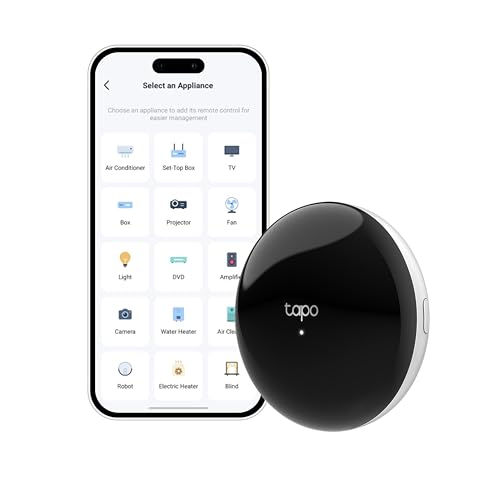
Tapo Smart IR & IoT Hub with Chime – Universal Remote for TVs, ACS, & 18+ Device Types, Matter-Certified, Supports 8,000+ Infrared Brands, Voice & App Control, Custom Schedules & Automations, H110
UNIVERSAL REMOTE – SMART HUB FOR 8,000+ BRANDS: Matter-certified IR & IoT hub with built-in alarm. Control TVs,…
As an affiliate, we earn on qualifying purchases.
As an affiliate, we earn on qualifying purchases.
Conclusion
By 2025, you’ll see 5G everywhere and hints of 6G on the horizon, truly bridging the connectivity gap. Some worry about costs or security, but the benefits of faster, more reliable communication outweigh these concerns. Imagine a world where seamless connectivity empowers your daily life, work, and innovation. If you embrace these advancements now, you’ll stay ahead of the curve, unblocking new opportunities and experiences that make life more connected and efficient than ever before.

RoamWiFi 5G Mobile Hotspot WiFi6-4nm Chip | 10GB US/CA/MX + 1GB Global Internet Data (170+ Countries) | High-Speed for 16 Devices | 5000mAh Battery, 20H Standby, USB3.1, No SIM Needed Travel Wi-Fi
Comes with 10G of universal data for the US, Canada, and Mexico, valid for 30 days (extendable), and…
As an affiliate, we earn on qualifying purchases.
As an affiliate, we earn on qualifying purchases.

SeeSii TinySA Ultra+ ZS406 Spectrum Analyzer, 4.0 Inch 100kHz to 5.4GHz Handheld Tiny Frequency Analyzer with 32Gb Card, 2-in-1 Signal Generator MF/HF/VHF UHF Input,V0.4.6.1,2025 Upgraded
Upgraded ZS406 TinySA Ultra+:This New Version V0.4.6.1 Spectrum Analyzer is developed by Hugen, with 4.0 inch 480 x…
As an affiliate, we earn on qualifying purchases.
As an affiliate, we earn on qualifying purchases.