
📊 Full opportunity report: Software-Defined Warfare: How Ukraine’s Delta Turned the Battlefield Into a Shared, Real-Time Map on ThorstenMeyerAI.com — validation score, market gap, and execution plan.

Prime made for students and young adults
- Fast, free delivery for dorm and study essentials
- Prime Video and Amazon Music included
- Member-only deals
TL;DR
Ukraine has deployed Delta, a cloud-based, browser-accessible battlefield management system, enabling real-time fusion of intelligence and rapid decision-making. This marks a significant shift toward software-defined warfare, emphasizing data and software over hardware.
Ukraine’s military has confirmed the deployment of Delta, a cloud-native, browser-based battlefield management system, during its ongoing conflict with Russian forces. This system integrates real-time data from drones, satellites, sensors, and civilian reports into a unified operational picture, significantly enhancing front-line coordination and target identification. The deployment underscores a shift toward software-defined warfare, where data and software capabilities drive battlefield advantage.
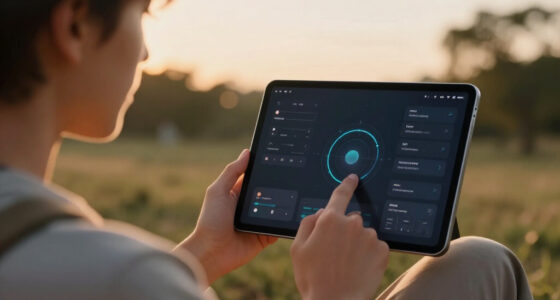
Delta was developed through a collaboration between Ukraine’s Defense Ministry, the NGO Aerorozvidka, and the Ministry of Digital Transformation. It consolidates inputs from diverse sources, including military and civilian drones, satellite imagery, and sensor networks, into a geolocated, real-time map accessible via standard web browsers on PCs, tablets, and smartphones. This approach eliminates the need for specialized hardware, allowing widespread frontline access and rapid updates.
The system’s cloud backend is hosted outside Ukraine to prevent missile or cyberattacks from disabling it, a decision that exemplifies the country’s innovative approach to sovereignty and resilience. Ukrainian officials claim Delta helped identify approximately 1,500 enemy targets daily during the early counteroffensive near Kyiv, although these figures are self-reported and unverified independently. The integration of synthetic aperture radar (SAR) data, such as VigilSAR, enables continuous operation in poor weather and darkness, enhancing sensor sovereignty and operational reliability.
Software-defined warfare: how Ukraine’s Delta turned the battlefield into a shared, real-time map
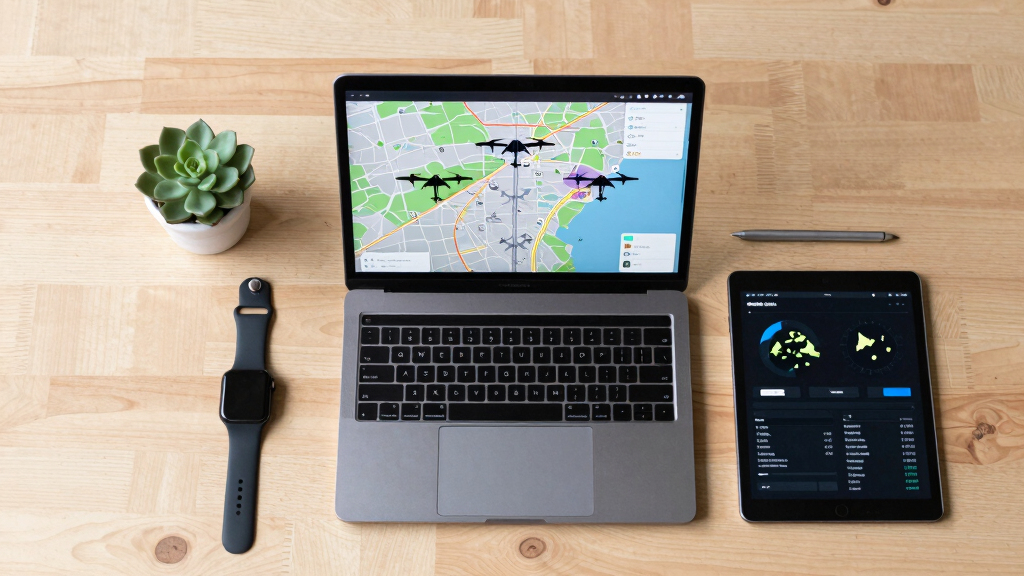
A soldier opens a browser and sees the fused war — drones, satellites, sensors and vetted reports on one live map. The backend is a cloud deliberately hosted abroad so a missile can’t take it down. The clearest case yet of treating warfare as software.
Optical sensors go blind in cloud & dark; an all-weather SAR radar layer — the kind VigilSAR produces — slots into a picture like this as one resilient, sovereign input. vigilsar.com · And note the paradox: to survive missiles & cyberattack, Ukraine hosted its crown-jewel cloud outside its own borders — trading physical sovereignty for operational survivability. Resilience through distribution.
Delta’s lasting lesson isn’t a piece of software — it’s a model of how to build: commodity clients, cloud backend, open standards, relentless iteration, fusion over hardware, and resilience through distribution. It’s why a wartime NGO out-shipped procurement bureaucracies on a fraction of the budget. The platform mattered less than the picture — and the picture is software. Own the fusion layer, own the sovereign feeds into it, and get it to the edge.
Impact of Cloud-Native, Browser-Based Battlefield Tech
Delta’s deployment signals a major evolution in military technology, shifting advantage from traditional hardware platforms to flexible, software-driven systems. Its cloud-based architecture and use of commodity devices democratize battlefield information, enabling more troops to access real-time intelligence. This approach reduces reliance on expensive, proprietary hardware and accelerates decision-making cycles, which is crucial in modern combat scenarios. The system’s design aligns with the concept of software-defined warfare, emphasizing rapid software updates, interoperability, and resilience against cyber and missile threats. The integration of diverse data sources into a single operational picture enhances situational awareness, potentially transforming how conflicts are fought globally.
browser-based battlefield management software
As an affiliate, we earn on qualifying purchases.
As an affiliate, we earn on qualifying purchases.
Origins and Development of Ukraine’s Software-Defined Warfare Approach
The concept of software-defined warfare in Ukraine traces back to a 2017 NATO initiative aimed at breaking down information silos inherited from Soviet military structures. Ukraine’s collaboration with NGOs, digital agencies, and defense innovators fostered a startup-like environment for rapid development and deployment of battlefield software. Delta’s architecture reflects this organizational model, prioritizing horizontal data sharing and interoperability. The system builds on prior lessons emphasizing fusion and exploitation layers, turning raw sensor feeds into actionable intelligence. Its development coincided with Ukraine’s strategic push to modernize its military capabilities amid ongoing conflict.
“Delta is a game-changer in battlefield management, allowing us to see the fight in real time and act faster than ever before.”
— Mykhailo Fedorov, Ukraine’s Minister of Digital Transformation
real-time drone surveillance device
As an affiliate, we earn on qualifying purchases.
As an affiliate, we earn on qualifying purchases.
Unverified Claims and Technical Openness of Delta
While Ukrainian officials report high target identification rates and operational success, independent verification of these claims is lacking. Details about the system’s full technical capabilities, particularly its integration with drone operations and sensor sovereignty features like VigilSAR, remain limited. The extent of Delta’s deployment across frontline units and its impact on overall battlefield outcomes are still emerging and subject to further assessment.
satellite imagery viewer for military use
As an affiliate, we earn on qualifying purchases.
As an affiliate, we earn on qualifying purchases.
Next Steps for Delta’s Integration and Evaluation
Ukraine is expected to expand Delta’s deployment and integrate additional sensor inputs, including more advanced radar and satellite feeds. Observers anticipate further operational assessments and potential international interest in adopting similar software-defined platforms. Ukrainian officials will likely provide updates on system performance and strategic impact as the conflict progresses, and independent analysts will seek verification of claimed successes.
As an affiliate, we earn on qualifying purchases.
Key Questions
What is Delta and how does it work?
Delta is a cloud-native, browser-based battlefield management system that fuses real-time data from drones, satellites, sensors, and reports into a shared operational picture, enabling rapid decision-making and coordination.
Why is hosting Delta’s cloud outside Ukraine significant?
Hosting the system externally protects it from missile strikes and cyberattacks, ensuring resilience and continuous operation during ongoing conflict.
Has Ukraine’s use of Delta been independently verified?
No, the claimed operational figures, such as identifying 1,500 targets daily, are self-reported by Ukrainian officials and lack independent confirmation.
What does this development mean for future warfare?
It illustrates a shift toward software-defined warfare, emphasizing flexible, software-driven systems that leverage commodity hardware and rapid software updates for battlefield advantage.
Could other countries adopt similar systems?
Yes, Ukraine’s approach offers a model for modernizing military operations through open, interoperable, and resilient software architectures, potentially influencing future defense strategies worldwide.
Source: ThorstenMeyerAI.com
Fall Picks
fall essentials
As an affiliate, we earn on qualifying purchases.