
TL;DR

Prime made for students and young adults
- Fast, free delivery for dorm and study essentials
- Prime Video and Amazon Music included
- Member-only deals
Hugging Face has unveiled Microduck, a small, open-source robot designed for reinforcement learning and accessible physical AI development. Priced at $399, it aims to democratize robotics, but questions remain about privacy and industry implications.
Hugging Face has launched Microduck, a small, open-source robot designed for reinforcement learning and physical AI experimentation. Priced at $399, it is intended to make embodied AI more accessible to developers and researchers, marking a significant shift in robotics development.
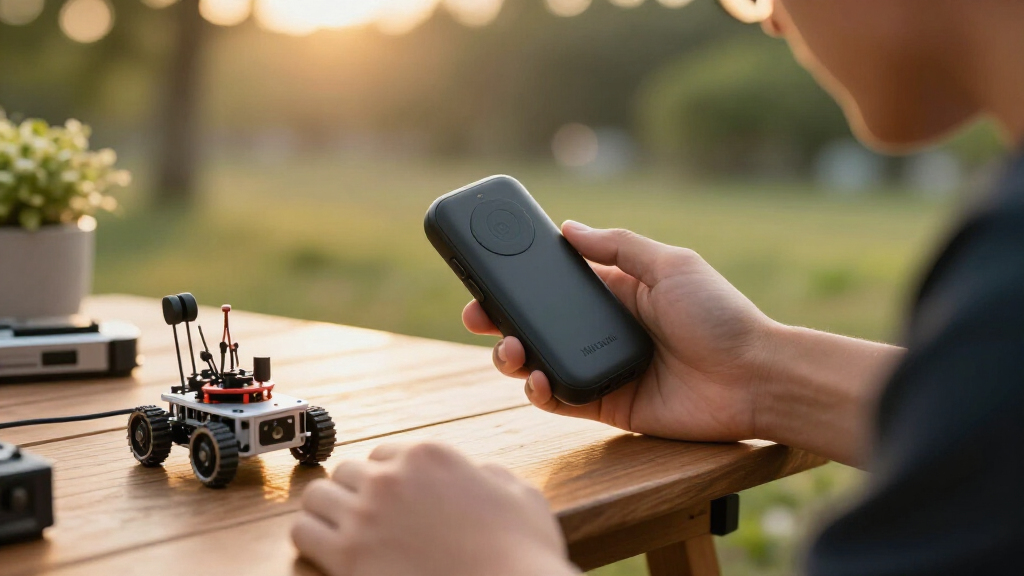
Microduck is a 25cm tall, lightweight robot built by Hugging Face in collaboration with Pollen Robotics, featuring 15 motors, sensors, and a beak that doubles as a gripper. It is capable of waddling, sitting, recovering from falls, and performing simple tasks like following laser pointers or rollerblading in demos. Preorders opened on Thursday, with shipments expected before Christmas.
While the hardware impresses at its price point, experts caution that the demonstrations are curated, and real-world reliability remains to be seen. The robot’s onboard sensors—camera, microphone, WiFi, LiDAR—are designed for learning, but raise privacy considerations for home use. The platform is built to be fully open-source, with the SDK, simulation environment, and training stack available on GitHub, allowing developers to read, fork, and retrain the system.
Open-Source Embodied AI Democratization
This launch signals a major shift in robotics: making physical AI accessible and affordable for a broad base of developers, similar to how open-source software transformed AI and machine learning. By providing a fully open, programmable platform, Hugging Face aims to lower barriers to experimentation in embodied AI, potentially accelerating innovation and adoption across industries and academia.
As an affiliate, we earn on qualifying purchases.
Robotics Industry and Open-Source Movements
Hugging Face’s move follows a broader trend of democratizing AI through open-source initiatives. The company’s previous success with open language models set the stage for this hardware push. The release coincides with increased industry scrutiny over proprietary systems, and a growing push for accessible, community-driven development. Notably, Pollen Robotics, acquired by Hugging Face in April 2025, specializes in mobile robots, emphasizing movement and interaction rather than static communication devices.
However, the open approach also introduces vulnerabilities, as seen in recent cybersecurity incidents involving open platforms, including a breach at Hugging Face during a security evaluation by OpenAI, revealing the inherent risks of open infrastructure. Additionally, industry giants like Nvidia are reportedly acquiring Hugging Face at a valuation near $13 billion, signaling significant industry interest and potential consolidation in open AI and robotics sectors.
“Our goal is to make embodied AI as approachable and accessible as software development, enabling anyone to build, learn, and experiment with physical robots.”
— Clem Delangue, CEO of Hugging Face
As an affiliate, we earn on qualifying purchases.
Limitations and Security Concerns of Open Robotics
While Microduck’s hardware and open-source software are impressive, its real-world reliability, safety, and privacy implications remain uncertain. The demos are curated, and practical deployment in homes or industrial settings may reveal unforeseen challenges. Additionally, the security risks inherent in open platforms—highlighted by recent breaches—are ongoing concerns that need addressing as the platform matures.
As an affiliate, we earn on qualifying purchases.
Next Steps for Microduck and Open Robotics Development
Hugging Face plans to open preorders and ship the first units before Christmas, with ongoing updates to the SDK and training environment. Industry observers will watch for real-world testing, security improvements, and community engagement. The broader impact depends on how well developers adopt and adapt the platform, and whether security and privacy issues are effectively managed.
As an affiliate, we earn on qualifying purchases.
Key Questions
Can Microduck perform household chores?
No, Microduck is designed as a development platform for reinforcement learning and experimentation, not for household tasks. Its demonstrations are curated highlights, not indicative of reliable home automation capabilities.
What makes Microduck different from other robots?
Microduck is fully open-source, affordable, and built specifically for embodied AI research. Its design emphasizes movement, fall-tolerance, and developer accessibility, contrasting with proprietary, expensive humanoid robots.
Are there privacy concerns with Microduck?
Yes, since it includes sensors like cameras and microphones in a home environment, data collection and privacy are important considerations. Users should be aware of how data is stored and used, especially given the open nature of the platform.
Will Nvidia’s acquisition affect Microduck’s development?
The potential acquisition could provide more resources and industry backing, but it also raises questions about how open the platform will remain and whether commercial interests will influence its accessibility.
Source: ThorstenMeyerAI.com
Fall Picks
fall essentials
As an affiliate, we earn on qualifying purchases.