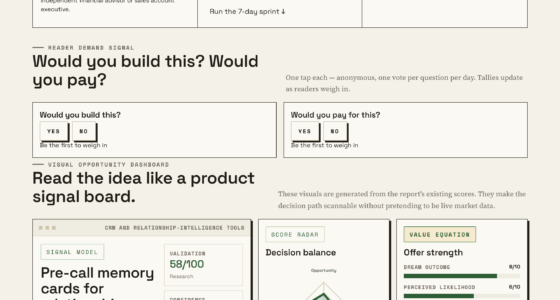

📊 Full opportunity report: Understanding The Significance Of Pre-Demo Verdicts In Old Property Transactions on IdeaNavigator AI — validation score, market gap, and execution plan.

Prime made for students and young adults
- Fast, free delivery for dorm and study essentials
- Prime Video and Amazon Music included
- Member-only deals
TL;DR
New developments highlight the importance of pre-demo condition verdicts for pre-1980 fixer homes. These assessments aim to help DIY buyers evaluate risks before renovation, potentially reducing unexpected costs.
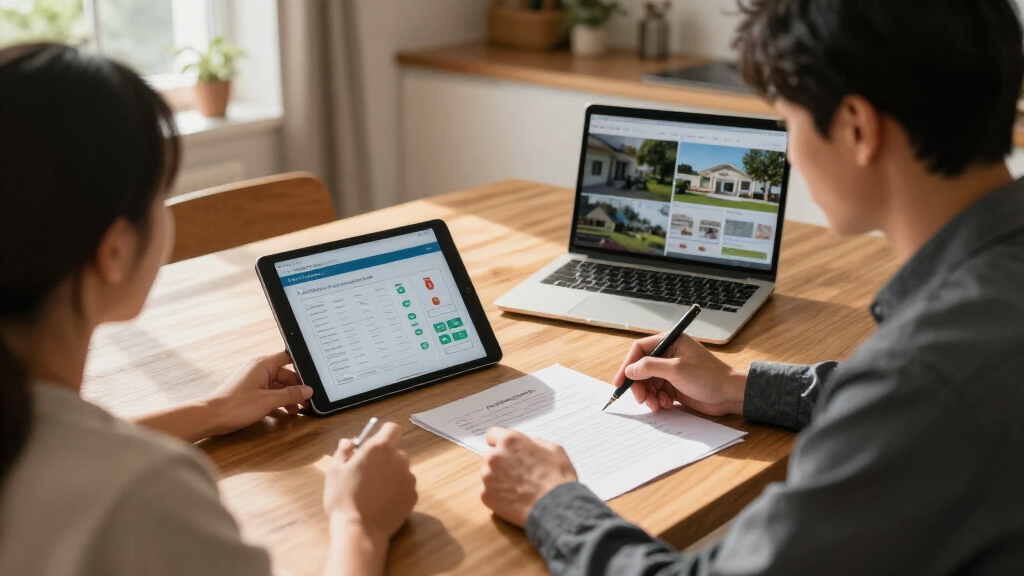
Pre-demo condition verdicts for homes built before 1980 are gaining attention as a tool for DIY buyers to evaluate renovation risks remotely. This development offers a potential solution to unpredictable costs associated with older properties, especially as most affordable starter homes now predate 1980. The approach involves guided phone scans and mail-in testing kits to assess wall contents and materials, providing buyers with wall-by-wall predictions before demolition begins.
The concept centers on offering fixed-fee pre-demo verdicts for homes built before 1980, aimed at DIY millennial buyers renovating on weekends and savings. These verdicts are generated through guided phone scans of key areas like panels, crawlspaces, and supply lines, combined with mail-in kits for suspect materials such as asbestos or cloth-wrapped wiring. The goal is to provide a reliable prediction of what will be exposed during demolition, helping buyers decide whether to proceed or walk away.
Currently, the market is testing this approach by selling twenty pre-demo verdicts and comparing predictions against actual findings during demolition. The process aims to validate whether remote assessments can accurately predict hidden hazards like asbestos, galvanized pipes, or outdated wiring, which often cause unforeseen expenses and delays. The service also offers an upsell to contractor-matched remediation quotes, creating a revenue stream tied to risk mitigation.
This initiative responds to the aging housing stock, with most affordable homes now pre-1980, and the increasing availability of remote testing kits that do not require site visits. By providing early, wall-by-wall insights, it aims to reduce the risk of overrun costs, which can reach forty thousand dollars or more in complex cases. The approach is still in pilot testing, with the first real-world validation underway.
Impact of Pre-Demo Verdicts on Home Renovation Risks
This development could significantly reduce the financial and emotional risks for DIY home renovators, especially millennials investing savings into older homes. By offering reliable, remote assessments before demolition, buyers can make more informed decisions, potentially avoiding costly surprises such as asbestos removal or plumbing replacements. For the broader market, it introduces a new risk assessment tool that could standardize pre-demo evaluations, making renovation projects safer and more predictable.
Moreover, this approach aligns with the trend toward remote home inspections and testing, expanding access for buyers who may not afford or want to attend on-site evaluations. If successful, it could shift industry standards and influence how property transactions are conducted for older homes, emphasizing upfront risk prediction.
asbestos testing kit for home renovation
As an affiliate, we earn on qualifying purchases.
As an affiliate, we earn on qualifying purchases.
Background on Risks in Old Property Renovations
Most affordable starter homes in the current market predate 1980, making them prone to hidden hazards like asbestos, galvanized pipes, and cloth-wrapped wiring. Traditionally, uncovering these hazards requires invasive inspections during demolition, often leading to unexpected costs, delays, and project overruns. Homebuyers and renovators have relied on home inspections and guesswork, which can be unreliable for older properties with concealed issues.
Recent advancements in remote testing kits and guided phone assessments have begun to change this landscape. These tools allow buyers to evaluate wall contents and potential hazards before committing to demolition, providing a clearer picture of risks involved. Pilot programs testing pre-demo verdicts aim to validate whether these remote assessments can match the accuracy of on-site inspections, especially for pre-1980 fixer homes.
Industry experts see this as a promising step toward reducing renovation uncertainties, particularly for DIY buyers who often lack access to comprehensive inspection services. The approach also responds to the increasing demand for affordable homes, many of which are older and contain hazardous materials that require careful handling during renovation.
remote home inspection tools for old houses
As an affiliate, we earn on qualifying purchases.
As an affiliate, we earn on qualifying purchases.
Uncertainties and Challenges in Remote Pre-Demo Assessments
It is not yet clear how accurately remote guided phone scans and mail-in kits can predict hidden hazards compared to traditional on-site inspections. The initial pilot involves only twenty verdicts, and results are still being compared to actual demolition findings. Further validation is needed to determine reliability across diverse property types and conditions.
Questions remain about the consistency of remote testing, the ability to detect all hazardous materials, and the potential for false negatives or positives. Additionally, the cost-effectiveness and scalability of this approach are still under evaluation, and industry acceptance will depend on proven accuracy and affordability.
As an affiliate, we earn on qualifying purchases.
Next Steps in Validating Remote Pre-Demo Verdicts
The ongoing pilot program will continue to compare remote predictions with actual demolition findings for the initial twenty homes. If the results demonstrate high accuracy, the service plans to expand testing to a larger sample size and different property types. Industry stakeholders are watching closely to assess whether this approach can be integrated into standard home purchase and renovation workflows.
Further development will include refining the guided phone scans, expanding the range of mail-in testing kits, and establishing clear guidelines for contractors and buyers. Success could lead to broader adoption and potentially influence regulations around pre-demolition assessments for older homes.
As an affiliate, we earn on qualifying purchases.
Key Questions
How reliable are remote pre-demo assessments compared to on-site inspections?
Reliability is still being tested. The current pilot compares predictions against actual demolition findings, but more data is needed to confirm accuracy across different conditions.
What materials or hazards can these remote tests detect?
They primarily target hazardous materials like asbestos, galvanized pipes, and cloth-wrapped wiring, but detection accuracy varies depending on the material and testing method.
Will this service be affordable for DIY buyers?
Yes, the service is designed with fixed fees and aims to be accessible for DIY millennial buyers renovating on weekends and savings.
Could this approach replace traditional home inspections entirely?
It is unlikely to fully replace on-site inspections but could serve as a valuable preliminary assessment, reducing surprises during demolition.
When might this service become widely available?
If validation continues successfully, broader availability could occur within the next one to two years, depending on industry adoption and regulatory acceptance.
Source: IdeaNavigator AI
Columbus Day / Indigenous Peoples' Day Picks
long weekend sales
As an affiliate, we earn on qualifying purchases.