TL;DR
Germany has achieved a historic milestone as wind and solar energy sources produced more electricity than fossil fuels for the first time. This reflects a significant shift in the country’s energy landscape and policy direction.
Germany’s renewable energy sources, wind and solar, generated more electricity than fossil fuels for the first time in history, according to recent official data. This development marks a significant shift in the country’s energy mix and underscores ongoing efforts to transition toward cleaner energy sources.
Data released by the German Federal Network Agency shows that in the first quarter of 2024, renewables accounted for over 50% of the country’s electricity generation. Wind power contributed approximately 25%, solar about 12%, while fossil fuels—mainly coal and natural gas—produced just under 50% of the electricity. This is the first time wind and solar combined have surpassed fossil fuels in Germany’s electricity production.
Officials from the German Ministry for Economic Affairs and Climate Action confirmed the figures, highlighting that this milestone reflects the country’s increasing investment in renewable infrastructure and policy measures aimed at reducing carbon emissions. Experts note that this shift is driven by record capacity additions in wind and solar, alongside a decline in coal-fired power generation.
Implications of Renewable Dominance in Germany’s Power Mix
This milestone demonstrates that Germany is making tangible progress toward its climate targets and energy transition goals. The increased share of wind and solar reduces reliance on fossil fuels, which are major contributors to greenhouse gas emissions. It also signals a potential model for other nations seeking to accelerate their renewable energy deployment and meet climate commitments.
Economically, the shift could influence energy prices and supply stability, while politically, it underscores the importance of continued support for renewable infrastructure and policies. However, questions remain about how Germany will manage energy supply during periods of low wind and sunlight, and how this transition will impact existing fossil fuel industries.

ECO WORTHY 10000W Output Complete Off-Grid Solar Panel Kit for Home| 10KW 120V/240V Output Split Phase Inverter| 48V 314Ah16.1kWh High Capacity Energy Storage| 2950W Solar Panel PV| Whole House System
- Power Output: 10kW with split-phase support
- Solar Panels: 5 × 590W panels, 2950W capacity
- Energy Storage: 48V 314Ah LiFePO₄ battery
As an affiliate, we earn on qualifying purchases.
As an affiliate, we earn on qualifying purchases.
Germany’s Renewable Energy Growth and Policy Framework
Germany has been steadily increasing its renewable energy capacity over the past decade, driven by policies such as the Energiewende and subsidies for wind and solar projects. The country aims to phase out coal by 2038 and achieve a largely decarbonized electricity sector by 2045. Prior to this milestone, fossil fuels, especially coal, still dominated the energy landscape, though their share has been decreasing since 2010.
Recent capacity additions and policy incentives have accelerated the growth of wind and solar. The country installed a record 10 gigawatts of new wind capacity in 2023, and solar capacity has doubled over the past five years. Nonetheless, Germany still imports some electricity and faces challenges related to grid stability and energy storage as it transitions away from fossil fuels.
“We are on the right path, and this achievement underlines the success of our policies and investments in renewables.”
— Federal Minister for Economic Affairs and Climate Action, Robert Habeck

Lbxlhr 10000W/12000W Upgraded Wind Vertical Axis Turbine Generator 12V 24V 48V 220V with MPPT Controller Wind Turbine Kit for Hybrid Wind Solar System(12000w,24v)
- Vertical Wind Turbine Design: Aerodynamic spiral blades for smooth operation
- High-Strength Blade Material: Injection-molded FRP for durability
- Breeze-Start Capability: Operates in low wind conditions
As an affiliate, we earn on qualifying purchases.
As an affiliate, we earn on qualifying purchases.
Uncertainties About Future Energy Supply Stability
While the data confirms a historic shift, it is still unclear how Germany will ensure energy security during periods of low wind and sunlight. The extent to which energy storage solutions and grid management will mitigate these fluctuations remains to be seen. Additionally, the long-term economic impacts on fossil fuel industries are still developing and subject to policy changes.
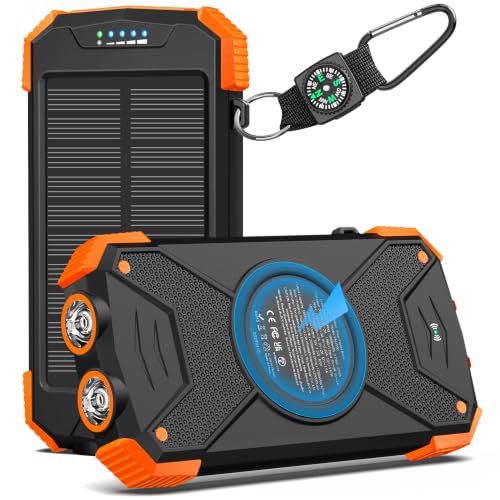
BLAVOR Solar Power Bank 10,000mAh, Portable Wireless Charger, 20W Fast Charging External Battery Pack with USB C for Cell Phones, Solar Panel Charging with Dual Flashlight for Camping
- Trusted Outdoor Power Bank: Over 10 years of experience and high-quality materials
- Fast USB-C Charging: 20W output charges iPhone 15 in 30 minutes
- Simultaneous Device Charging: Supports 3 devices at once with multiple ports
As an affiliate, we earn on qualifying purchases.
As an affiliate, we earn on qualifying purchases.
Next Steps in Germany’s Renewable Energy Transition
Germany plans to continue expanding wind and solar capacity, aiming for a total of 80 gigawatts of solar and 70 gigawatts of wind by 2030. Policy measures to enhance grid infrastructure, storage, and demand management are expected to be prioritized. Monitoring how these developments impact overall energy security and prices will be a key focus in the coming months.

200A Digital Watt Meter Solar Panel Power Analyzer Voltage Current Tester
- Multi-Functional Measurement: Measures voltage, current, power, capacity, and time
- High Precision: 0.01A current, 0.01V voltage resolution
- Wide Compatibility: Suitable for solar, wind, EV, and batteries
As an affiliate, we earn on qualifying purchases.
As an affiliate, we earn on qualifying purchases.
Key Questions
What does this milestone mean for Germany’s climate goals?
This milestone indicates that Germany is making significant progress toward its climate targets by increasing renewable energy share and reducing reliance on fossil fuels, contributing to its goal of carbon neutrality by 2045.
Will this shift affect energy prices for consumers?
The impact on prices is uncertain; increased renewable capacity could lower costs in the long term, but transitional costs and grid investments may cause short-term fluctuations.
How does Germany plan to address energy supply during low wind and solar periods?
The country is investing in energy storage, grid interconnections, and flexible power sources to ensure a stable supply during periods of low renewable output.
Does this mean fossil fuels are no longer part of Germany’s energy mix?
No. While their share has decreased significantly, fossil fuels still contribute to electricity generation, and some plants remain operational during transition phases.
Could other countries follow Germany’s example?
Yes. Germany’s experience demonstrates the feasibility of increasing renewable energy share, which could serve as a model for other nations aiming to meet climate commitments.
Source: hn