📊 Full opportunity report: Acoustic Dampening, Placement, and the “Rig in the Closet” Setup on ThorstenMeyerAI.com — validation score, market gap, and execution plan.
TL;DR
Placing AI workstations in separate rooms or closets can significantly reduce noise. Proper ventilation is essential when using enclosed spaces. Acoustic foam alone is less effective than strategic placement.
Moving high-power AI workstations out of the immediate workspace into separate rooms or closets is the most effective way to reduce noise, according to recent technical guidance. This approach leverages physical separation to eliminate airborne noise transmission, making additional acoustic treatments less necessary. Proper ventilation remains critical when placing equipment in enclosed spaces to prevent overheating.
Experts emphasize that the most effective noise reduction strategy is to physically distance the rig from the user, such as placing it in another room or a dedicated closet. This method removes the need for extensive acoustic foam or barriers, which only address airborne noise within a room but do little to contain structure-borne hums. When using enclosed spaces, ventilation becomes essential; passive vents or active exhaust fans are necessary to dissipate heat generated by the GPU and CPU, preventing thermal throttling and fan noise.
Putting a noisy, heat-generating machine in a sealed cabinet or closet can trap heat, causing temperatures to rise and forcing fans to run at higher speeds, which increases noise. To mitigate this, engineered soundproof cabinets with ducted airflow and temperature controls are recommended, though they come at a higher cost. Alternatively, using an AIO cooler to move heat out more efficiently can help. The key is ensuring that any enclosed placement has adequate airflow to maintain safe operating temperatures while keeping noise contained.
Acoustic dampening
& the rig in the closet.
The most powerful noise fix isn’t a material — it’s a floor plan. A rig you can’t hear because it’s in another room beats any amount of foam. Tap the approaches in Part 1 to see what actually works.
(another room)
(levers 1–4)
(door / barrier)
(acoustic foam)
Contain the noise, not the heat
Why Placement and Ventilation Are Critical for Quiet AI Workstations
These strategies matter because they allow users to operate high-power AI hardware without disturbing their environment. Physical separation and proper ventilation not only reduce noise but also improve hardware longevity by preventing overheating. For remote or shared workspaces, this approach enables quieter, more comfortable working conditions and less reliance on costly acoustic treatment.
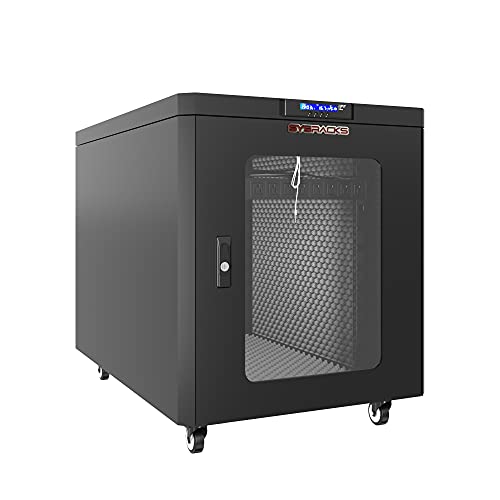
Sysracks Soundproof Server Rack Quiet - Acoustic Sound Proof Cabinet for Servers - Up to 36% Noise Reduction - Locking Server Enclosure - Silent Networking Cabinet - Noise Sound Dampening Box (15U)
15U Sound- Proof Cabinet (26in Width x 35in Depth x 36in Height)
As an affiliate, we earn on qualifying purchases.
As an affiliate, we earn on qualifying purchases.
Background: Noise Challenges in High-Power AI Setups
High-performance AI workstations generate significant heat and noise, primarily from GPUs and cooling fans. Traditionally, users have attempted to mitigate noise with acoustic foam, barriers, and soundproofing. However, experts highlight that these measures are less effective than strategic placement and proper airflow management. The concept of 'rig in the closet' has gained traction as a practical solution, especially for users who do not need direct access to the hardware during operation, relying instead on remote management over a network.
"Moving the rig into another room or a dedicated closet is the most effective way to eliminate noise; acoustic foam alone is rarely enough."
— Thorsten Meyer, AI hardware expert

ASUS ROG Strix G18 18 Gaming Laptop Intel Ultra 9 275HX RTX 5070 32GB 2TB
[PRO GAMING PERFORMANCE] Experience the peak of mobile processing with the Intel Ultra 9 275HX Processor, featuring 24...
As an affiliate, we earn on qualifying purchases.
As an affiliate, we earn on qualifying purchases.
Uncertainties Around Long-Term Reliability and Cost
It is still unclear how well different enclosure solutions maintain optimal temperatures over extended periods, especially in varying ambient conditions. The cost and complexity of engineered soundproof cabinets may also limit their widespread adoption, and there is ongoing debate about the best ventilation strategies for different setups. Further data is needed to compare long-term performance and noise levels across various configurations.
Sysracks 12U Soundproof 35″-Depth Server Rack Cabinet – Acoustic Quiet Network/IT Server Enclosure, 19″ Rack Compatible, Lockable, Cooling Fans & Dust Protection
12U Soundproof Server Rack silent Cabinet on Wheels - Up to 36 % noise reduction - Ideal Solution...
As an affiliate, we earn on qualifying purchases.
As an affiliate, we earn on qualifying purchases.
Next Steps for Implementing Quiet AI Workstations
Users and organizations should evaluate their workspace layouts to determine the feasibility of relocating rigs to separate rooms or closets. Investing in proper ventilation solutions, such as ducted airflow or temperature-controlled exhaust fans, is recommended. Future developments may include more affordable, integrated soundproof enclosures with optimized thermal management, making quiet operation more accessible. Ongoing research and user feedback will shape best practices for balancing noise reduction and hardware cooling.

NZXT H5 Flow 2024 - Compact ATX Mid-Tower PC Gaming Case - High Airflow - 2 x 120mm Fans Included - 360mm Front & 240mm Top Radiator Support - Cable Management System - Tempered Glass - Black
EXCEPTIONAL GPU COOLING-The PSU shroud is perforated on the side and bottom, enabling optimal air intake from two...
As an affiliate, we earn on qualifying purchases.
As an affiliate, we earn on qualifying purchases.
Key Questions
Is placing my AI rig in a closet enough to make it silent?
Placing the rig in a closet significantly reduces airborne noise but requires proper ventilation to prevent overheating. Without airflow, temperatures can rise, causing noise from fans and potential hardware issues.
Can acoustic foam alone reduce the noise from my AI workstation?
No, acoustic foam primarily absorbs sound reflections within a room and does not block noise transmission through walls or structure-borne hums. Physical separation and barriers are far more effective for noise reduction.
What are the best ways to ventilate an enclosed AI workstation?
Passive vents combined with quiet exhaust fans or purpose-built soundproof cabinets with ducted airflow provide effective heat dissipation. Ensuring consistent airflow prevents heat buildup and maintains hardware performance.
Does sealing a workstation in a cabinet harm the hardware?
It can if proper ventilation isn't provided. Sealed spaces trap heat, which can lead to thermal throttling and increased fan noise. Using engineered enclosures with active cooling mitigates these issues.
Is remote management necessary if I place my rig in another room?
While not strictly necessary, remote management is highly recommended for headless setups, allowing control and monitoring without physical access to the hardware.
Source: ThorstenMeyerAI.com