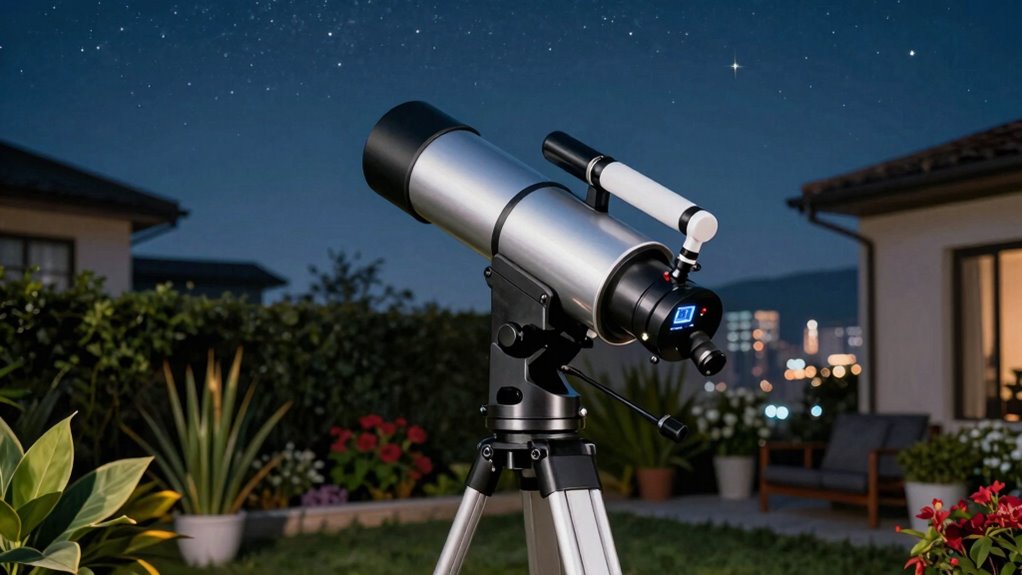

Smart telescopes are transforming backyard astronomy by offering quick, automated calibration and precise tracking, so you spend less time setting up and more time observing. Their cloud-based controls let you operate from anywhere and easily manage multiple devices. User-friendly features and integrated databases make stargazing accessible to beginners, while advanced controls enhance image quality and adapt to environmental conditions. If you keep exploring, you’ll discover how these innovations make astronomy more enjoyable than ever.
Key Takeaways
- Automated calibration and alignment save time, allowing more focus on observing and imaging celestial objects.
- Cloud-based control and remote operation increase accessibility and convenience for users anywhere.
- User-friendly features and guided setups make astronomy accessible to beginners without expert knowledge.
- Integration of digital technologies and environmental adjustments improve observation accuracy and image quality.
- Advanced calibration and control systems enhance tracking precision, enabling stunning astrophotography with minimal effort.
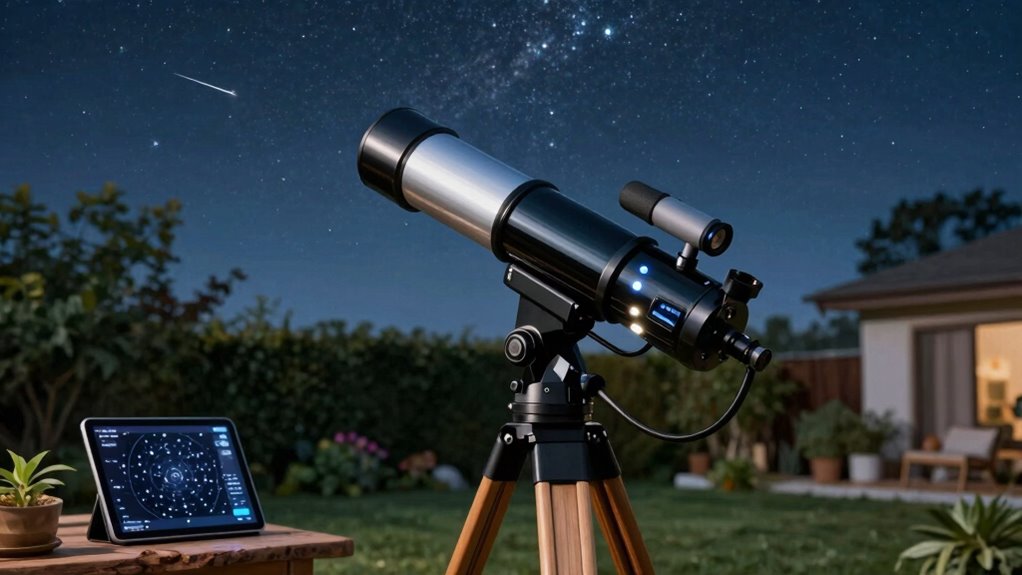
Smart telescopes are revolutionizing astronomy by making stargazing more accessible and accurate than ever before. If you’ve ever struggled with traditional telescopes, you’ll notice how much easier it is to explore the night sky now. With automated alignment, these telescopes can quickly and precisely calibrate themselves, saving you the hassle of manual adjustments. You don’t need to spend hours fiddling with knobs or trying to find the right star to align. Instead, the telescope’s built-in systems automatically identify celestial landmarks, calibrate its position, and prepare for your observation session in just minutes. This means more time spent admiring planets, galaxies, and stars rather than troubleshooting setup issues.
Smart telescopes simplify stargazing with quick, automatic setup and precise celestial calibration.
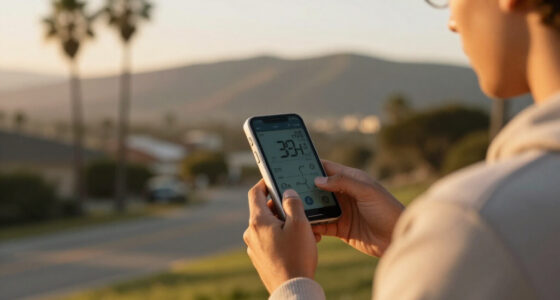
Another game-changer is cloud-based control, which allows you to operate your smart telescope from anywhere with an internet connection. You’re not confined to your backyard or a specific device. Whether you’re lounging inside, traveling, or sharing your view with friends, you can access your telescope remotely through a smartphone, tablet, or computer. This flexibility opens up new possibilities for stargazing sessions, especially if you want to switch targets or control multiple devices at once. Cloud-based platforms also enable you to access software updates and new features seamlessly, ensuring your telescope remains state-of-the-art without needing manual installations or hardware upgrades. Additionally, these features rely on brewing science principles like precise ratios and calibration to ensure accurate tracking and imaging, making it easier for users to achieve stunning observations and photographs.
The combination of automated alignment and cloud-based control makes backyard astronomy more engaging and less frustrating. You don’t have to be an expert to get started; these features guide you through the setup process and help you locate objects with minimal effort. Plus, many smart telescopes come with integrated databases that suggest celestial objects based on your location and time, so you can easily find planets, nebulae, or star clusters. This user-friendly approach encourages beginners to learn more about astronomy without feeling overwhelmed. Furthermore, the incorporation of digital technology enhances the overall experience by providing real-time data and seamless integration with other devices, fostering a more interactive and educational environment. It’s also worth noting how calibration accuracy plays a crucial role in ensuring your observations are precise and clear. By leveraging advanced control systems, these telescopes can automatically adjust for environmental factors like wind or temperature changes, further improving image quality.

Celestron – Origin Intelligent Home Observatory – All-in-one Astroimaging and Stargazing Smart Telescope – 6-inch RASA Telescope – Fully-Automated GoTo Mount – User-Friendly – iOS/Android Compatible
- All-in-One Home Observatory: Captures celestial views and images
- 6-Inch RASA Optical Design: Large aperture with fast f/2.2 ratio
- Unparalleled Image Brightness: Less exposure time for clear images
As an affiliate, we earn on qualifying purchases.
As an affiliate, we earn on qualifying purchases.
Frequently Asked Questions
How Do Smart Telescopes Connect to Smartphones or Tablets?
Smart telescopes connect to your smartphones or tablets through wireless connectivity like Wi-Fi or Bluetooth, making setup simple. You just need to pair the telescope with your device, often via an app designed for astronomy. This app integration allows you to control the telescope, access star maps, and capture images directly from your device. With these features, stargazing becomes more interactive and accessible, no matter your experience level.
Are Smart Telescopes Suitable for Beginner Astronomers?
Yes, smart telescopes are suitable for beginner astronomers. They simplify star and planet viewing with manual operation options that mimic traditional telescopes, making it easier to learn astronomy fundamentals. Unlike traditional telescopes, smart models often include automatic alignment and object tracking, reducing the learning curve. This user-friendly approach helps beginners explore the night sky confidently while still allowing manual operation when they’re ready to deepen their skills.
What Is the Cost Range of Smart Telescopes?
Smart telescopes typically cost between $200 and $2,000, depending on features and quality. You might find models with manual alignment options or optical zoom capabilities within this range. As you explore your options, consider how these features impact your experience, whether it’s the ease of setup or the clarity of distant views. Investing in a smart telescope means balancing your budget with your desire for advanced features and ease of use.
Can Smart Telescopes Operate in All Weather Conditions?
Smart telescopes are designed with some weather resistance, but they don’t operate effectively in all weather conditions. You should be cautious in rain, snow, or high humidity, as these can affect their electronics and optics. Many models offer climate adaptability features like sealed housings or protective covers, but it’s best to use them in clear, dry conditions to guarantee longevity and best performance. Always check your telescope’s weather resistance specifications before use.
How Do Smart Telescopes Improve Astrophotography?
Smart telescopes improve astrophotography by using automated tracking, which keeps celestial objects perfectly centered during long exposures. They often incorporate augmented reality features, guiding you to targets and enhancing your viewing experience. This technology reduces user error, captures clearer, more detailed images, and simplifies complex processes. As a result, you can enjoy stunning astrophotography results without extensive technical knowledge, making astronomy more accessible and rewarding.
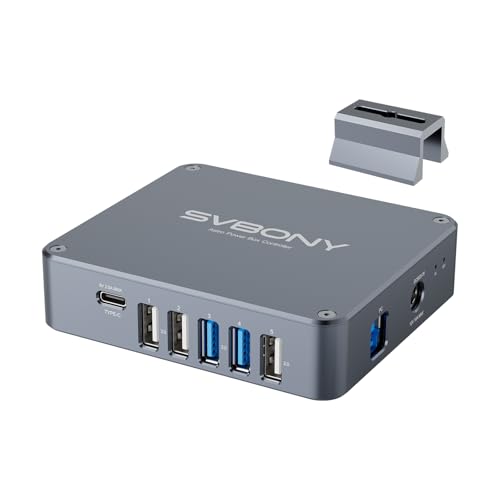
SVBONY SV241 Pro Astronomical Telescope Power Management Box, Telescope Power Hub, Remote Control for Astronomy Equipment, Durable and Portable Power Adapter with Dovetail Base for Astrophotography
- Remote Plug-and-Play Operation: Simplifies device control and boosts efficiency
- Dew Point Intelligent Control: Protects equipment and ensures smooth observations
- Firmware Upgraded to V1.2: Includes Power-off Memory feature
As an affiliate, we earn on qualifying purchases.
As an affiliate, we earn on qualifying purchases.
Conclusion
Smart telescopes are revolutionizing backyard astronomy faster than you ever imagined, turning ordinary nights into extraordinary cosmic adventures. With their intuitive features and effortless setup, you’re now just a click away from witnessing the universe’s most breathtaking wonders. Don’t miss out—these devices are practically magic, opening the universe to everyone. So, grab a smart telescope and prepare to be amazed beyond belief—your journey to the stars has never been more accessible or exhilarating!

DWARFLAB Dwarf Mini Smart Telescope – 1.85lb Ultra-Portable Astronomy Telescope for Astrophotography with Built-in Filters, Auto GOTO, AZ/EQ Mode and Cloud Processing, Ideal for All Ages
- Portable and Lightweight: Weighs only 1.85 lbs for easy portability
- Quick Setup with App: Unbox and start in 3 minutes with app control
- Built-in Sky Atlas: Interactive star map for easy navigation
As an affiliate, we earn on qualifying purchases.
As an affiliate, we earn on qualifying purchases.
DWARFLAB Dwarf Mini Smart Telescope – 1.85lb Ultra-Portable Astronomy Telescope for Astrophotography with Built-in Filters, Auto GOTO, AZ/EQ Mode and Cloud Processing, Ideal for All Ages
- Portable and Lightweight: Weighs only 1.85 lbs for easy portability
- Quick Setup with App: Unbox and start in 3 minutes with app control
- Built-in Sky Atlas: Interactive star map for easy navigation
As an affiliate, we earn on qualifying purchases.
As an affiliate, we earn on qualifying purchases.