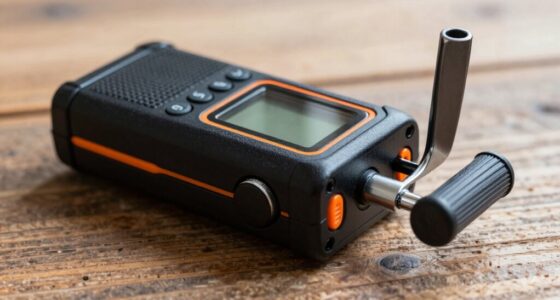
Choosing the right satellite communicator for solo travel depends on your adventure style, budget, and connectivity needs. The Motorola Defy Satellite Link stands out for its rugged durability and unlimited SOS alerts, making it ideal for extreme outdoor excursions. The Garmin inReach® Mini 2 offers a compact design with long battery life, perfect for lightweight backpackers who want reliable navigation and messaging. Meanwhile, the ZOLEO Satellite Communicator balances affordability with extensive features, appealing to those seeking dependable global messaging on a budget. Each of these options presents tradeoffs — from subscription costs to device size — so understanding your priorities will help you pick the best fit.

Prime made for students and young adults
- Fast, free delivery for dorm and study essentials
- Prime Video and Amazon Music included
- Member-only deals
Key Takeaways
- Rugged durability and unlimited SOS are key for extreme outdoor adventures, as seen in the Motorola Defy Satellite Link.
- Compact size and long battery life make the Garmin inReach Mini 2 ideal for lightweight, long-term solo trips.
- Subscription costs and device compatibility are crucial considerations across most options.
- Global messaging and emergency features are more reliable in devices with multi-network switching like ZOLEO.
- Budget-conscious travelers should weigh the long-term subscription costs against device features.
| Motorola Defy Satellite Link – Rugged Handheld GPS Communicator with Two-Way Satellite Messaging and Emergency SOS |  | Best for Rugged Durability and Off-Grid Safety | Service plan cost: $19.99/month | Compatibility: iOS 14 and Android 10 and later | Features: 2-way satellite messaging, Emergency SOS, GPS | VIEW ON AMAZON | See Our Full Breakdown |
| Garmin inReach® Mini 2 Satellite Communicator |  | Best for Compact, Long-Lasting Communication | Battery life: up to 14 days | Connectivity: Pair with Garmin devices, smartphones | Features: Two-way messaging, interactive SOS, navigation | VIEW ON AMAZON | See Our Full Breakdown |
| Garmin inReach® Messenger Satellite Communicator, Global Two-Way Messaging |  | Best for Versatile Connectivity and Extended Battery Life | Connectivity: Wi-Fi, Cellular, Satellite | Messaging: Two-way, Group, Preset messages | Battery Life: Up to 28 days | VIEW ON AMAZON | See Our Full Breakdown |
| Spot X with Bluetooth 2-Way Satellite Messenger |  | Best for Bluetooth Connectivity and Emergency Communication | Connectivity: Satellite, Bluetooth | Features: GPS sharing, SOS | VIEW ON AMAZON | See Our Full Breakdown | |
| ZOLEO Satellite Communicator (Slate Grey) |  | Best for Global Messaging and Affordability | Compatibility: Smartphone (Android, iOS) | Connectivity: Cellular, Iridium Satellite, Wi-Fi | Battery Life: 200+ hours | VIEW ON AMAZON | See Our Full Breakdown |
| satellite communicators for solo travel | Connectivity | Features | Battery life |
|---|---|---|---|
| Motorola Defy Satellite Link | — | 2-way satellite messaging, Emergency SOS, GPS | — |
| Garmin inReach® Mini 2 Satelli | Pair with Garmin devices, smartphones | Two-way messaging, interactive SOS, navigation | up to 14 days |
| Garmin inReach® Messenger Sate | Wi-Fi, Cellular, Satellite | — | Up to 28 days |
| Spot X with Bluetooth 2-Way Sa | Satellite, Bluetooth | GPS sharing, SOS | — |
| ZOLEO Satellite Communicator | Cellular, Iridium Satellite, Wi-Fi | — | 200+ hours |
More Details on Our Top Picks
Motorola Defy Satellite Link – Rugged Handheld GPS Communicator with Two-Way Satellite Messaging and Emergency SOS
The Motorola Defy Satellite Link excels in durability, with an IP68 rating that withstands dust, water, and shocks, making it a top choice for rugged outdoor adventures. It provides reliable satellite coverage for two-way messaging and emergency SOS, with the added benefit of a GPS feature for navigation. Compared with smaller, more portable devices like the Garmin inReach Mini 2, this model sacrifices some portability but offers peace of mind in extreme environments. Its reliance on a monthly service plan can be a downside for infrequent travelers, but unlimited SOS alerts make it invaluable during emergencies.
Pros:- Exceptional rugged construction for extreme environments
- Unlimited SOS alerts included in service plan
- Reliable satellite coverage for off-grid locations
Cons:- Requires ongoing monthly service fee
- Bulkier and heavier than small handheld units
- Dependent on satellite coverage availability
Best for: Solo travelers undertaking rugged outdoor activities, such as hiking, climbing, or remote expeditions.
Not ideal for: Casual travelers or those prioritizing lightweight gear and minimal monthly costs.
- Service plan cost:$19.99/month
- Compatibility:iOS 14 and Android 10 and later
- Features:2-way satellite messaging, Emergency SOS, GPS
Our verdict“A durable, reliable choice for solo travelers who need ruggedness and emergency safety in remote areas.”
Garmin inReach® Mini 2 Satellite Communicator
The Garmin inReach® Mini 2 offers a sleek, lightweight design that fits comfortably in a pocket or backpack, making it ideal for solo travelers who prioritize portability. Its impressive battery life of up to 14 days supports extended trips without constant charging. The device delivers two-way messaging, interactive SOS, and navigation features like TracBack routing and a digital compass. Compared to bulkier models, the Mini 2 sacrifices some advanced features but makes up for it in ease of carry and battery longevity. A subscription is required for full functionality, which can add to ongoing costs.
Pros:- Compact, lightweight, and highly portable
- Long battery life supports extended trips
- Global satellite coverage with interactive SOS
Cons:- Subscription required for full features
- Limited screen or interface compared to larger devices
- Some jurisdictions restrict satellite device use
Best for: Backpackers and lightweight travelers seeking reliable, long-lasting communication in remote areas.
Not ideal for: Travelers who prefer standalone devices without subscription commitments or require advanced navigation features.
- Battery life:up to 14 days
- Connectivity:Pair with Garmin devices, smartphones
- Features:Two-way messaging, interactive SOS, navigation
Our verdict“Ideal for minimalists who want dependable satellite messaging with long battery life in a compact design.”
Garmin inReach® Messenger Satellite Communicator, Global Two-Way Messaging
The Garmin inReach Messenger stands out with its ability to switch seamlessly between Wi-Fi, cellular, and satellite networks, ensuring reliable connectivity in diverse environments. Its long battery life—up to 28 days—makes it perfect for remote excursions where charging opportunities are scarce. It supports group messaging, GPS location sharing, and an interactive SOS feature, making it a comprehensive safety device. However, it requires an active satellite subscription and pairing with compatible Garmin or smart devices, which can complicate setup and increase costs. This device is more suitable for those who need multi-network connectivity and long-lasting power.
Pros:- Global messaging with Wi-Fi, cellular, and satellite switching
- Long battery life up to 28 days
- Supports group messaging and precise GPS sharing
Cons:- Subscription required for full features
- Requires pairing with compatible Garmin or smartphones
- Potential regulatory restrictions in some jurisdictions
Best for: Solo travelers who need flexible, multi-network communication with extended battery support.
Not ideal for: Budget travelers or those seeking a simple, single-network device without subscriptions.
- Connectivity:Wi-Fi, Cellular, Satellite
- Messaging:Two-way, Group, Preset messages
- Battery Life:Up to 28 days
Our verdict“A versatile, long-lasting device suited for tech-savvy solo explorers needing reliable multi-network communication.”
Spot X with Bluetooth 2-Way Satellite Messenger
The Spot X combines satellite and Bluetooth connectivity, allowing communication with both satellite networks and nearby Bluetooth-enabled devices. Its portability makes it suitable for outdoor adventures, with features like GPS location sharing and emergency SOS. However, its customer satisfaction is moderate, with some users citing limited warranty and subscription costs. The device is best for those who want a versatile, handheld messenger with Bluetooth capabilities, but it might fall short for travelers seeking advanced navigation or longer battery life.
Pros:- Two-way communication via satellite and Bluetooth
- GPS location sharing and emergency SOS
- Portable and easy to carry
Cons:- Subscription required for full use
- Customer ratings indicate moderate satisfaction
- Limited warranty details
Best for: Outdoor enthusiasts who want a portable, Bluetooth-enabled satellite communicator with emergency features.
Not ideal for: Those needing extended battery life or extensive device support beyond Bluetooth pairing.
- Connectivity:Satellite, Bluetooth
- Features:GPS sharing, SOS
Our verdict“A solid option for Bluetooth-connected outdoor adventures, but less suitable for long-term or critical safety use.”
ZOLEO Satellite Communicator (Slate Grey)
The ZOLEO Satellite Communicator stands out with its ability to connect to the Iridium satellite network, providing truly global messaging capabilities. Its rugged IP68-rated design ensures durability in harsh outdoor conditions. With an impressive battery life exceeding 200 hours and an affordable monthly service starting at $20, ZOLEO offers a practical solution for budget-conscious solo travelers who want reliable communication without sacrificing features. It supports text, email, check-ins, and emergency SOS via a smartphone app, making it a versatile choice. The main tradeoff is that it relies on a compatible smartphone for full functionality, and some features may incur additional costs.
Pros:- Global satellite messaging with SOS and GPS sharing
- Rugged IP68 durability suitable for outdoor use
- Long battery life over 200 hours
Cons:- Service plan required for satellite connectivity
- Dependent on smartphone compatibility
- Additional costs for optional features like weather forecasts
Best for: Budget-conscious travelers seeking dependable global messaging and emergency support.
Not ideal for: Those needing standalone devices without relying on a smartphone app or wanting advanced navigation features.
- Compatibility:Smartphone (Android, iOS)
- Connectivity:Cellular, Iridium Satellite, Wi-Fi
- Battery Life:200+ hours
Our verdict“An affordable, reliable option for solo travelers wanting global messaging with rugged durability and long battery life.”
How We Picked
Our selection process focused on devices designed specifically for solo travelers venturing into remote areas. We prioritized ruggedness, battery life, ease of use, and communication reliability. Devices had to support two-way messaging and emergency SOS features, with consideration for subscription costs and compatibility with smartphones or standalone use. We also looked at user reviews, durability ratings, and the versatility of connectivity options, ensuring each pick addresses distinct travel needs from ultralight backpacking to rugged expeditions.
| satellite communicators for solo travel | Connectivity |
|---|---|
| Motorola Defy Satellite Link | — |
| Garmin inReach® Mini 2 Satelli | Pair with Garmin devices, smartphones |
| Garmin inReach® Messenger Sate | Wi-Fi, Cellular, Satellite |
| Spot X with Bluetooth 2-Way Sa | Satellite, Bluetooth |
| ZOLEO Satellite Communicator | Cellular, Iridium Satellite, Wi-Fi |
Factors to Consider When Choosing Satellite Communicators For Solo Travel
Selecting a satellite communicator for solo travel involves balancing durability, device size, battery life, and subscription costs. Understanding your specific needs — whether it’s ruggedness for extreme environments, long-lasting power, or affordability — helps narrow down options. It’s also crucial to consider the type of connectivity, whether you prefer standalone units or those that pair with your smartphone, and the frequency of use to justify ongoing subscription fees.Durability and Ruggedness
If your adventures take you into harsh environments, prioritize devices like the Motorola Defy Satellite Link, which are built to withstand shocks, water, and dust. For casual trips in less extreme conditions, lighter options like the Garmin inReach Mini 2 provide sufficient durability without added bulk.
Battery Life
Longer battery life means less worry about charging on prolonged trips. The Garmin inReach Messenger’s 28-day battery life makes it stand out, while the ZOLEO’s 200+ hours offers unmatched endurance for extended remote stays. Shorter trips may suffice with devices offering 1-2 weeks of battery life, but always check for real-world performance.
Connectivity and Subscription
Most satellite communicators require a subscription, often adding ongoing costs. Devices like ZOLEO and Garmin inReach options support multiple network types, increasing reliability, but at a price. Consider whether you prefer a standalone device with cellular and satellite support or a smartphone-based solution that relies on apps and Wi-Fi for convenience, but remember that some jurisdictions restrict satellite use.
Size and Ease of Use
For solo travelers who prioritize portability, compact devices like the Garmin inReach Mini 2 are ideal. If you prefer a rugged device with a dedicated screen and physical buttons, the Motorola Defy Satellite Link offers that, but it may be bulkier. Ease of use also depends on the interface; devices with intuitive apps or simple controls tend to be better for quick emergency responses.
Frequently Asked Questions
Do I need a subscription for a satellite communicator?
Most satellite communicators require a subscription to access satellite networks and use features like two-way messaging and SOS alerts. Subscription costs vary depending on the provider and plan, so it’s important to factor these ongoing fees into your budget when choosing a device.
Can I use these devices anywhere in the world?
Devices supporting the Iridium satellite network, like ZOLEO, offer truly global coverage, including polar regions and oceans. Others, such as Garmin inReach models, may have limited coverage in certain remote areas but generally work worldwide, provided you have an active subscription and the device is compatible with the local regulations.
Are satellite communicators difficult to operate?
Most modern devices are designed with user-friendly interfaces, often paired with smartphone apps for easier setup and operation. However, some models with dedicated screens and physical buttons may require a learning curve. It’s advisable to choose a device that matches your comfort level with technology for quick emergency responses.
How do I choose the right device for my trip?
Your choice depends on your adventure’s environment, length, and your budget. Rugged, feature-rich devices suit extreme adventures, while lightweight, long-lasting models fit extended backpacking trips. Consider whether you need standalone operation or prefer smartphone integration, and always review subscription costs and coverage area before deciding.
What is the most reliable emergency feature in these devices?
The interactive SOS feature, supported by networks like Iridium or Garmin’s global satellite coverage, offers the most reliable safety assurance. Devices like the Garmin inReach or ZOLEO enable you to send distress signals from anywhere, giving peace of mind in remote areas where cell coverage is unavailable.
Conclusion
For solo travelers tackling rugged, remote environments, the Motorola Defy Satellite Link offers unmatched durability and safety. Those seeking a lightweight, long-lasting device should lean toward the Garmin inReach® Mini 2. Budget-conscious explorers will find the ZOLEO Satellite Communicator provides dependable global messaging at a lower cost. Ultimately, your choice depends on your adventure style, environment, and how much you’re willing to invest in ongoing subscriptions and device durability.
Fall Picks
fall essentials
As an affiliate, we earn on qualifying purchases.