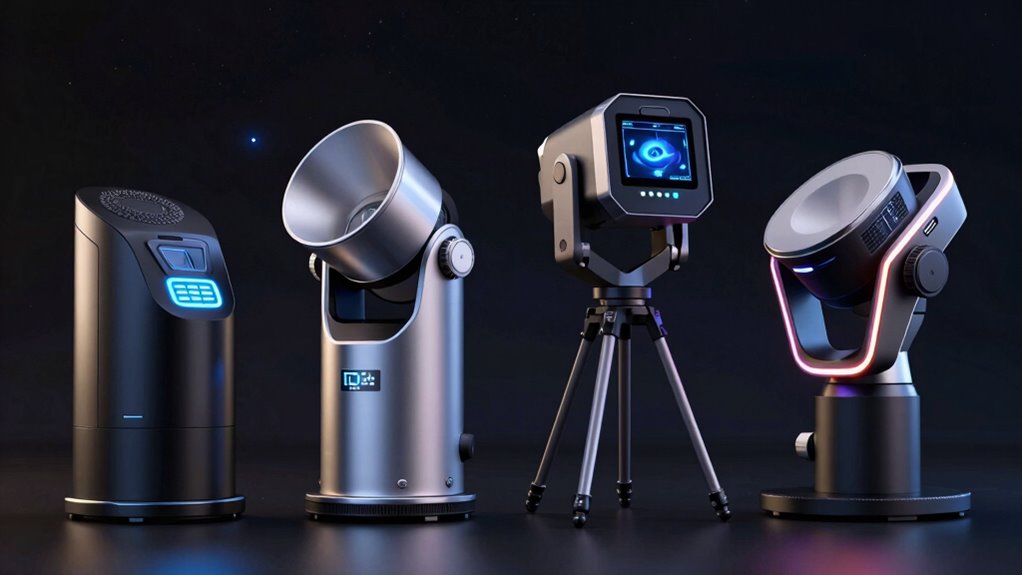

Choosing a computerized telescope can significantly enhance your stargazing experience, but with so many options, it’s easy to feel overwhelmed. For those just starting out, the Celestron 114LCM offers a budget-friendly, user-friendly entry point. Meanwhile, the Celestron NexStar 8SE stands out for serious amateurs seeking powerful, detailed views with automation. The main tradeoff often comes down to portability versus advanced features—larger scopes deliver better views but may be heavier, while compact models excel in mobility but might lack some capabilities. Here’s a curated look at the best options for different needs, with honest assessments of their strengths and limitations.
Key Takeaways
- The Celestron NexStar 102SLT is best for beginners wanting quick setup and portability.
- The NexStar 127SLT balances portability with more advanced tracking, suitable for casual enthusiasts and newcomers alike.
- The NexStar 6SE provides a good upgrade path with larger optics but requires some learning curve.
- The NexStar 8SE offers the largest aperture for serious planetary and deep-sky viewing, at the cost of weight and complexity.
- The Celestron 114LCM is ideal for absolute beginners needing a simple, affordable, and complete starter kit.
| Celestron NexStar 102SLT Computerized Refractor Telescope |  | Best for Beginners and Portability | Aperture: 102mm | Optical Design: Refractor | Technology: SkyAlign | VIEW ON AMAZON | See Our Full Breakdown |
| Celestron NexStar 127SLT Maksutov-Cassegrain Computerized GoTo Telescope |  | Best for Beginners and Casual Enthusiasts | Aperture: 127mm | Optical Design: Maksutov-Cassegrain | Object Database: 40,000+ | VIEW ON AMAZON | See Our Full Breakdown |
| Celestron NexStar 6SE Schmidt-Cassegrain Telescope | 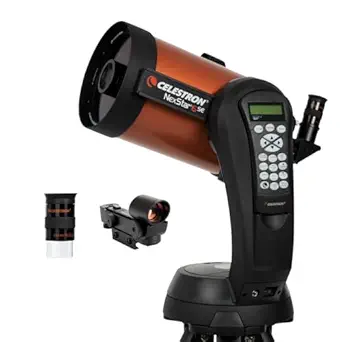 | Best for Upgrading Enthusiasts | Aperture: 6 inches | Optics: Schmidt-Cassegrain | Mount: Automated GoTo | VIEW ON AMAZON | See Our Full Breakdown |
| Celestron NexStar 8SE Computerized Telescope |  | Best for Serious Observers | Aperture: 8 inches | Mount: Computerized GoTo | Object Database: 40,000+ | VIEW ON AMAZON | See Our Full Breakdown |
| Celestron 114LCM Computerized Reflector Telescope for Beginners |  | Best for Absolute Beginners | Type: Reflector | Optics: All glass | Mount: Computerized GoTo | VIEW ON AMAZON | See Our Full Breakdown |
| computerized telescope | Aperture | Mount | Included Software | Object Database |
|---|---|---|---|---|
| Celestron NexStar 102SLT Compu | 102mm | Altazimuth | Starry Night | — |
| Celestron NexStar 127SLT Maksu | 127mm | — | Starry Night Special Edition | 40,000+ |
| Celestron NexStar 6SE Schmidt- | 6 inches | Automated GoTo | — | 40,000+ |
| Celestron NexStar 8SE Computer | 8 inches | Computerized GoTo | — | 40,000+ |
| Celestron 114LCM Computerized | — | Computerized GoTo | Starry Night | — |
More Details on Our Top Picks
Celestron NexStar 102SLT Computerized Refractor Telescope
The Celestron NexStar 102SLT makes a compelling choice for newcomers who want a portable, easy-to-use telescope. Its 102mm refractor offers bright, crisp views of the Moon and planets, while the SkyAlign technology ensures quick setup. Compared with larger scopes, it sacrifices some deep-sky performance but excels in simplicity and mobility. It’s perfect for casual outings or quick observations, though it requires a power source and its optical quality is less refined than bigger or more advanced models.
Pros:- Portable and lightweight for easy transport
- Fast, no-fuss setup with SkyAlign technology
- Includes free software for sky simulation
Cons:- Limited optical performance compared to larger scopes
- Requires power for operation
- Basic features may frustrate advanced users
Best for: Beginners looking for a lightweight, straightforward scope for casual astronomy.
Not ideal for: Experienced astronomers or those seeking astrophotography capabilities.
- Aperture:102mm
- Optical Design:Refractor
- Technology:SkyAlign
- Included Software:Starry Night
- Mount:Altazimuth
- Power:Battery or AC adapter
Our verdict“A solid starter scope for beginners who prioritize portability and ease of use over high-end optics.”
Celestron NexStar 127SLT Maksutov-Cassegrain Computerized GoTo Telescope
The Celestron NexStar 127SLT offers an excellent balance of portability and performance, with its 127mm Maksutov-Cassegrain optics delivering sharp, color-corrected views of planets and the Moon. Its database of over 40,000 objects and SkyAlign technology make locating celestial bodies straightforward, even for those new to computerized scopes. Compared with smaller refractors, it provides better planetary detail, but the setup process can be a bit fiddly for absolute novices. It’s perfect for those who want a step up from basic beginner models.
Pros:- Portable and lightweight for easy transport
- High-quality Maksutov optics for crisp images
- Extensive object database with automated tracking
Cons:- Requires some setup and alignment
- Limited to visual observing, no astrophotography
- Can be challenging without prior experience
Best for: Beginners and casual astronomers who want improved planetary views and tracking.
Not ideal for: Complete novices unwilling to learn setup procedures or those interested in astrophotography.
- Aperture:127mm
- Optical Design:Maksutov-Cassegrain
- Object Database:40,000+
- Tripod:Adjustable steel
- Alignment:SkyAlign
- Included Software:Starry Night Special Edition
Our verdict“A versatile choice that balances ease of use with quality optics, ideal for newcomers seeking more detailed planetary views.”
Celestron NexStar 6SE Schmidt-Cassegrain Telescope
The NexStar 6SE brings a significant upgrade with a 6-inch aperture, offering detailed views of planets, the Moon, and deep-sky objects. Its fully computerized GoTo mount makes locating objects effortless, and SkyAlign simplifies setup, making it suitable for users transitioning from manual scopes. However, its size and weight mean it’s less portable, and the learning curve can be steeper for beginners unfamiliar with telescope operation. It’s a smart choice for those wanting more serious observing without sacrificing automation.
Pros:- Automated GoTo system for easy object hunting
- Large 6-inch aperture for detailed images
- Simple SkyAlign setup
Cons:- Heavy and less portable
- Requires some initial learning
- Higher price point
Best for: Amateur astronomers ready to upgrade from smaller or manual scopes, seeking detailed views.
Not ideal for: Strictly casual users or those needing a lightweight option for field use.
- Aperture:6 inches
- Optics:Schmidt-Cassegrain
- Mount:Automated GoTo
- Object Database:40,000+
- Alignment:SkyAlign
- Warranty:2 years
Our verdict“A well-rounded upgrade for hobbyists seeking better image quality and automation, with some tradeoffs in portability.”
Celestron NexStar 8SE Computerized Telescope
The NexStar 8SE features an 8-inch aperture, offering impressive detail and light-gathering power for planetary and deep-sky viewing. Its fully automated GoTo mount makes celestial navigation straightforward, and SkyAlign ensures quick setup. This telescope is more suitable for experienced amateurs due to its weight and complexity, but it rewards with stunning clarity and a broad object database. It’s ideal for those who want serious observing capabilities packed into a manageable, portable form factor.
Pros:- Large 8-inch aperture for detailed, bright images
- Automated GoTo and SkyAlign technology
- Good balance of portability and power
Cons:- Heavy and less portable
- Complex initial setup for novices
- Higher price range
Best for: Dedicated hobbyists seeking high-quality images and detailed views.
Not ideal for: Complete beginners or those needing a lightweight, quick-deploy scope.
- Aperture:8 inches
- Mount:Computerized GoTo
- Object Database:40,000+
- Hand Control:NexStar+
- Warranty:2 years
Our verdict“A powerful choice for serious hobbyists who want excellent optical performance with automation, accepting some heft and complexity.”
Celestron 114LCM Computerized Reflector Telescope for Beginners
The Celestron 114LCM offers a comprehensive starter package, including a fully computerized mount that can locate over 4,000 objects automatically. Its reflector optics provide decent light-gathering for a beginner, and accessories like two eyepieces and Sky software make it accessible for newcomers. While it’s a good entry-level choice, it may not satisfy those wanting more detailed views or advanced features, and setup can be somewhat involved for users unfamiliar with telescopes.
Pros:- Automatic object locating simplifies observing
- Includes multiple eyepieces and sky software
- Affordable and complete starter kit
Cons:- Limited for more advanced astronomers
- Requires setup and alignment
- Basic optics may not satisfy experienced users
Best for: Absolute beginners seeking an all-in-one, affordable introduction.
Not ideal for: Intermediate or advanced users looking for more power or astrophotography options.
- Type:Reflector
- Optics:All glass
- Mount:Computerized GoTo
- Objects Located:4,000+
- Eyepieces:25mm & 9mm
- Included Software:Starry Night
Our verdict“An excellent beginner telescope that provides all essential features for starting in astronomy without overwhelming complexity.”

How We Picked
Our selection process focused on computerized telescopes that offer reliable GoTo functions, ease of use for various experience levels, and portability. We prioritized models with clear tracking and object databases, balanced with practical considerations like weight and setup complexity. Additionally, we evaluated the value each provides for its target audience, considering both beginner-friendly features and advanced capabilities for more experienced astronomers. Tradeoffs such as size, price, and learning curve were carefully weighed to present a rounded view of the best options for 2026.
| computerized telescope | Included Software | Mount |
|---|---|---|
| Celestron NexStar 102SLT Compu | Starry Night | Altazimuth |
| Celestron NexStar 127SLT Maksu | Starry Night Special Edition | — |
| Celestron NexStar 6SE Schmidt- | — | Automated GoTo |
| Celestron NexStar 8SE Computer | — | Computerized GoTo |
| Celestron 114LCM Computerized | Starry Night | Computerized GoTo |
Factors to Consider When Choosing Computerized Telescopes
When selecting a computerized telescope, it’s important to match the features to your experience level, observing goals, and portability needs. Consider the size of the aperture for image clarity, the complexity of the setup process, and whether you prefer manual control or automation. Budget also plays a critical role—more advanced scopes tend to cost more but offer better optics and tracking. The right choice balances your current skills and future aspirations, ensuring that you enjoy stargazing without frustration.
Understanding Optical Design and Aperture
The optical design, whether refractor, reflector, or Schmidt-Cassegrain, impacts image quality and ease of use. Larger apertures gather more light, revealing fainter objects and providing sharper images, but tend to be heavier and more expensive. Beginners often prefer refractors for their simplicity, while more experienced users might choose reflectors or Schmidt-Cassegrain scopes for their versatility and power.
Automation and User Interface
The core advantage of a computerized telescope is its ability to locate objects automatically. Look for models with intuitive hand controllers, quick alignment methods like SkyAlign, and extensive object databases. While automation reduces frustration, it can also add complexity, so assess whether a model’s setup process matches your comfort level. For beginners, simplicity and quick setup are key; advanced users might appreciate additional features like smartphone control or astrophotography compatibility.
Portability and Size
If you plan to take your telescope on trips or outdoor excursions, size and weight matter. Compact models like the NexStar 102SLT or 127SLT excel here, while larger scopes like the 8SE offer impressive views but are less convenient to move. Consider your typical observing location and frequency of use when evaluating portability versus optical performance.
Budget and Future Growth
Prices range from affordable beginner packages to more costly, feature-rich scopes. Think about your long-term goals—if astronomy is a passing interest, a basic model may suffice. For those eager to deepen their experience, investing in a larger aperture or more advanced features now can save money in the long run. Always weigh the initial cost against the potential for upgrades and added capabilities.
Frequently Asked Questions
What is the main difference between refractor and reflector telescopes?
Refractors use lenses to focus light, providing crisp, high-contrast images that are easy to maintain, making them ideal for planetary viewing and beginners. Reflectors use mirrors, which can be larger and more affordable for bigger apertures, making them better suited for deep-sky objects. The choice depends on your observing interests and portability needs.
How important is the object database in a computerized telescope?
The object database determines how many celestial bodies the telescope can locate automatically. Larger databases, like those with 40,000+ objects, offer more options for exploration, especially for experienced users. For beginners, a smaller database might suffice, but having access to many objects enhances learning and discovery.
Can I use these telescopes for astrophotography?
Most entry-level computerized telescopes are primarily designed for visual observation and may lack the stability, tracking precision, or camera compatibility needed for astrophotography. Larger, more advanced models like the 8SE can support basic astrophotography with appropriate accessories, but expect a steeper learning curve and additional equipment requirements.
Are computerized telescopes difficult to set up?
Setup difficulty varies by model. Basic models like the NexStar 102SLT are designed for quick, straightforward alignment, making them suitable for beginners. Larger scopes like the 8SE may require more time and a learning curve but generally include guided setup procedures. Patience and following manufacturer instructions help ensure a smooth experience.
What features should I prioritize if I am new to astronomy?
For beginners, ease of setup, a user-friendly interface, and a manageable size are most important. Features like SkyAlign technology, automatic object tracking, and included sky software enhance the experience without overwhelming new users. Opting for a scope with good support and warranty can also provide peace of mind as you learn.
Conclusion
If you are just starting out and want portability, the Celestron NexStar 102SLT is a great choice. For those with a bit more experience seeking a step-up in detail and features, the NexStar 127SLT or 6SE are solid options. Serious hobbyists looking for maximum light-gathering power and detailed views should consider the 8SE. Beginners with a tight budget will find the 114LCM provides a complete, friendly introduction. Your choice depends on your current skill level, observing goals, and whether portability or advanced features matter most to you.