

TL;DR
The 2026 summer solstice occurs on June 21, marking the longest daylight period of the year. This event is significant for cultural, astronomical, and environmental reasons. Some details about precise timing and regional variations are still being clarified.
The summer solstice of 2026 will occur on June 21, marking the day with the longest daylight hours of the year across the Northern Hemisphere. This astronomical event is celebrated globally for its cultural significance and scientific interest, and it offers the longest period of sunlight for outdoor activities and energy collection.
According to astronomical sources, the summer solstice in 2026 is expected to occur at approximately 11:54 UTC on June 21. This marks the moment when the Sun reaches its highest point in the sky for observers in the Northern Hemisphere, resulting in the longest day and shortest night of the year.
Regional variations mean that the exact timing of sunrise and sunset will differ depending on location. For example, in New York City, sunrise is expected around 5:25 a.m. local time, with sunset at approximately 8:30 p.m., yielding about 15 hours of daylight. In contrast, locations closer to the Arctic Circle will experience even longer daylight hours, approaching 24 hours in some areas.
Scientists and astronomers note that the solstice is a result of Earth’s axial tilt of approximately 23.5 degrees relative to its orbit around the Sun. This tilt causes the Sun’s apparent position to reach its northernmost point at the Tropic of Cancer, which is why the event is also called the Tropic of Cancer solstice.
Cultural and Scientific Importance of the Longest Day
The summer solstice has been celebrated for thousands of years, marking the start of summer in many cultures. It is associated with festivals, rituals, and traditions that honor the Sun’s peak power and the changing seasons. Scientifically, the event provides an opportunity to observe Earth’s axial tilt and orbit dynamics, which are fundamental to understanding climate patterns and seasonal variations.
Environmental advocates highlight that the extended daylight hours can influence energy consumption, outdoor recreation, and ecological processes. The solstice also serves as a reminder of Earth’s position in its orbit, influencing the planning of agricultural activities and renewable energy strategies.

Solar Alignment Gnomon Compatible with Dwarf 3 Telescope, Sun Finder Alignment Accessory for Solar Observation and Telescope Positioning, 5 Pack
- Quick Solar Alignment: Efficient sun positioning for astronomy
- Clip-On Installation: Easy attachment to magnetic filter assembly
- Simplified Positioning: Visual reference for telescope orientation
As an affiliate, we earn on qualifying purchases.
As an affiliate, we earn on qualifying purchases.
Historical and Astronomical Context of the Summer Solstice
The summer solstice has been recognized since ancient times, with notable sites like Stonehenge aligned to mark the event. Historically, it signified the beginning of summer and was linked to agricultural calendars and religious festivals across various civilizations, including the Egyptians, Mayans, and Celts.
In modern astronomy, the solstice is precisely calculated based on Earth’s position relative to the Sun. The 2026 event follows the pattern of previous solstices, with the date typically falling on June 20 or 21, depending on the year and time zone. The event’s timing is driven by Earth’s orbit, which is elliptical, causing slight variations in the exact date and time year to year.
While the event remains consistent, regional observations and cultural practices continue to evolve, influenced by technological advances and cultural exchanges.
“For millennia, the solstice has been a time of celebration and reflection across many cultures. It symbolizes the power of the Sun and the changing seasons.”
— Cultural historian Mark Lewis

Acclaim 7516BC Lanai Collection 3 Outdoor Light Fixture Hanging Lantern, Black Coral-2 Pack, 2 Count
- Style: Traditional 3-light outdoor pendant
- Finish: Black Coral finish
- Glass: Includes clear pineapple cut glass
As an affiliate, we earn on qualifying purchases.
As an affiliate, we earn on qualifying purchases.
Regional Variations and Exact Timing Still Clarified
While the general date and time of the 2026 summer solstice are confirmed, precise regional timings can vary due to local geographical factors. It is not yet fully clear how specific locations will experience the exact moment of solstice, especially in areas with complex topography or near the poles.
Additionally, some minor variations in the exact timing may occur due to leap seconds and Earth’s elliptical orbit. Researchers continue to refine calculations as new data becomes available.
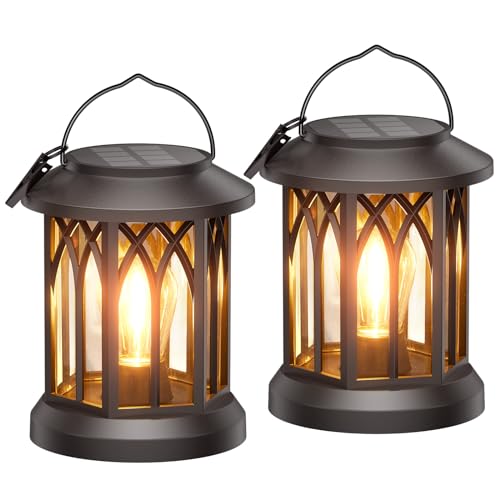
WdtPro Solar Lanterns Outdoor Waterproof, Upgraded Bright Hanging Solar Lights for Outside,Solar Powered Lanterns Lighting LED for Garden Patio Yard Decorative 2 Pack (Warm Light)
- Brighter Warm LED Light: Upgraded 2700K warm light beads
- Elegant Modern Design: Compact and stylish outdoor lanterns
- High-Efficiency Solar Panels: 25% more efficient monocrystalline panels
As an affiliate, we earn on qualifying purchases.
As an affiliate, we earn on qualifying purchases.
Upcoming Astronomical Events and Cultural Observances
Following the 2026 summer solstice, the next notable astronomical event is the fall equinox, expected around September 22. Observers and cultures worldwide will mark this transition with festivals and scientific observations.
Scientists and astronomers will analyze data from the solstice period to improve understanding of Earth’s orbital mechanics. Many communities will hold festivals, gatherings, and educational events to celebrate the Sun’s peak and the changing seasons.
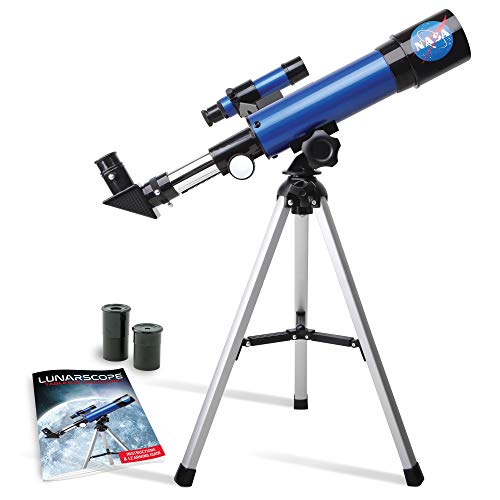
NASA Lunar Telescope for Kids Ages 8-12 with Tripod and Finder Scope
- Inspires Curiosity About Space: See the moon in incredible detail
- High-Quality Optical Glass: Includes finder scope and multiple eyepieces
- Easy to Use: Simple setup for young astronomers
As an affiliate, we earn on qualifying purchases.
As an affiliate, we earn on qualifying purchases.
Key Questions
When exactly will the 2026 summer solstice occur?
The solstice is expected to occur at approximately 11:54 UTC on June 21, 2026.
Why is the solstice the longest day of the year?
Because Earth’s axial tilt causes the Sun to reach its highest point in the sky at the Tropic of Cancer, resulting in the maximum daylight hours for observers in the northern hemisphere.
How do different locations experience the solstice?
Timing varies by geographic location, with regions closer to the Arctic experiencing longer daylight hours, and the exact moment of maximum sunlight differing slightly depending on local time zones and topography.
Will there be any special celebrations or events?
Many cultures hold festivals, rituals, and outdoor events to mark the solstice. Additionally, astronomers and educational institutions often organize observations and public programs.
Is the date of the solstice changing over time?
The date generally falls on June 20 or 21, with minor variations caused by Earth’s elliptical orbit and leap seconds. The 2026 event is expected on June 21.
Source: google-trends