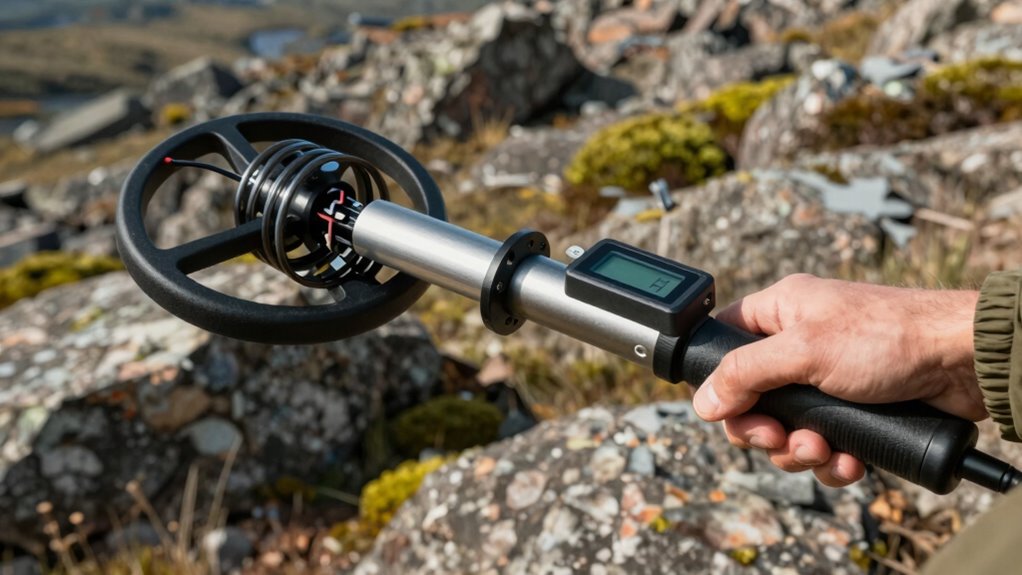

Metal detectors are much more technical than movies suggest. Modern devices use complex technology, including digital displays, multiple frequencies, and ground balancing. They can distinguish various metals and identify targets, making the process more precise. Understanding how signals work and choosing the right equipment takes skill. Plus, learning the history of a site helps you find meaningful items. Keep exploring, and you’ll discover just how intricate and rewarding metal detecting really is.

Prime made for students and young adults
- Fast, free delivery for dorm and study essentials
- Prime Video and Amazon Music included
- Member-only deals
Key Takeaways
- Modern metal detectors use advanced technology like target discrimination and ground balancing, far beyond simple “beep-and-dig” movie portrayals.
- Signal processing involves complex analysis to differentiate between valuable targets and trash signals.
- Devices feature digital displays, multiple frequencies, and sophisticated coils, requiring technical knowledge to operate effectively.
- Understanding the historical context of a site guides more successful and informed detecting efforts.
- Skill development involves learning device features, environmental adaptation, and interpreting complex signals, making the hobby more technical.
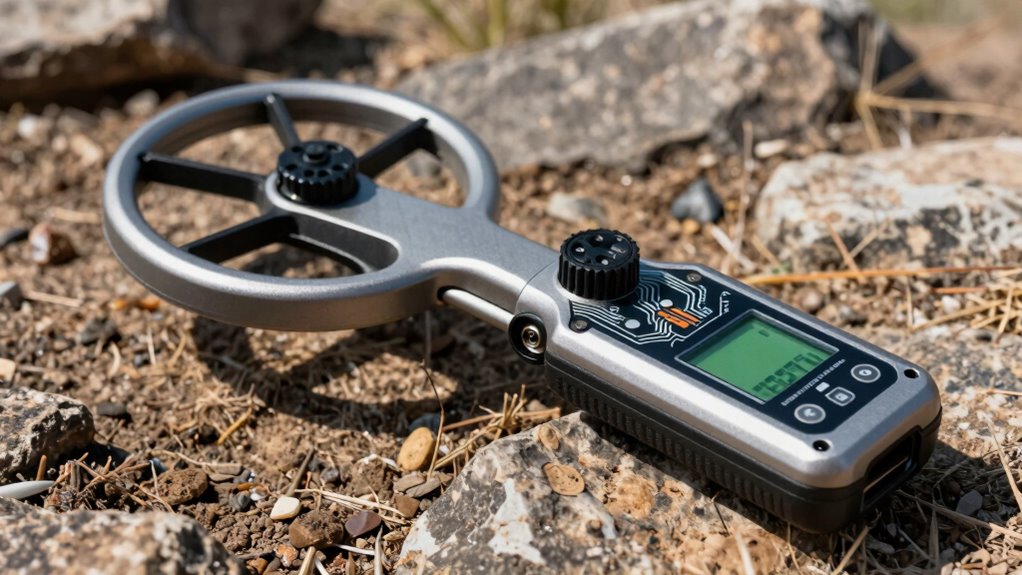
Many people think metal detecting is just about waving a device over the ground and digging up buried treasure, but in reality, it’s far more technical. When you start exploring this hobby, you realize that understanding the equipment and the environment is vital. Modern metal detectors aren’t just simple devices; they incorporate complex technology designed to distinguish between different types of metals and detect objects at various depths. This technological sophistication means you’re engaging with a range of features like target identification, discrimination, and ground balancing, all of which require a good grasp of how the machine works. It’s not just about finding something shiny—it’s about interpreting signals accurately, which can be quite nuanced.
Alongside the technological advancements, maintaining historical accuracy is equally important. As a detectorist, you become interested in the history of the sites you explore, understanding how past civilizations used the land. This knowledge helps you make educated guesses about what might be buried beneath your feet. Whether you’re hunting for old coin hoards, relics, or artifacts, knowing the historical context improves your chances of making meaningful discoveries. It’s a blend of science and history—using research to guide your detecting efforts and avoid wasting time on unlikely spots. Over time, you learn to read the landscape and understand where historical activity was concentrated, which sharpens your skills and increases your chances of success.
Technology in metal detecting has advanced rapidly in recent years, making the hobby more precise and accessible. Devices now feature digital displays, multiple frequency options, and advanced target analysis, which weren’t available a decade ago. These innovations help you sift through trash signals to find genuine artifacts, saving time and effort. Additionally, improvements in coil design allow for better depth detection and discrimination, enabling you to target specific objects more effectively. Understanding the technology behind these devices is crucial, as it allows you to adapt your technique to different environments and find the best settings for each situation. As you gain experience, you also learn about signal processing, which further enhances your ability to interpret complex readings. This progress has also led to a broader accessibility for enthusiasts at all skill levels. Understanding the technology is crucial for maximizing your success and enjoyment in the hobby.
metal detector with digital display
As an affiliate, we earn on qualifying purchases.
As an affiliate, we earn on qualifying purchases.
Frequently Asked Questions
What Are the Different Types of Metal Detectors Available?
You’ll find various types of metal detectors, including VLF (Very Low Frequency), PI (Pulse Induction), and multi-frequency models. VLF detectors are great for jewelry and coins, while PI detectors excel in saltwater or mineralized soil, helping you uncover historical findings. Keep in mind, battery lifespan varies by type, so choose one that suits your treasure hunting needs, ensuring longer sessions and better results.
How Do Metal Detectors Distinguish Between Metals?
You can distinguish between metals using metal detection algorithms that analyze the signals returned by the detector. These algorithms assess factors like conductivity, inductance, and phase shift to identify specific metal types. Metal classification features help you recognize whether an object is iron, gold, or aluminum, making your metal detector more precise. This advanced technology goes beyond movies, allowing you to target valuable finds and avoid trash more effectively.
What Is the Typical Depth Range of Modern Metal Detectors?
Modern metal detectors typically reach depths of 6 to 20 inches, depending on their technological advancements and the size of the target. As you explore, keep in mind that historical accuracy often depends on understanding these capabilities. Advances in technology have improved depth and sensitivity, allowing for more precise detection. Your success in finding buried items relies on knowing these depth ranges and choosing the right detector for your needs.
How Does Ground Mineralization Affect Metal Detecting?
Ground mineralization affects your metal detecting by increasing ground conductivity, which can cause mineral interference. When mineralization is high, it can lead to false signals or make it harder to detect real targets. You need to adjust your detector’s sensitivity and use discrimination modes to minimize interference. Understanding how mineralization impacts your detector helps you target more effectively and reduces frustration when searching in mineral-rich soils.
What Maintenance Is Required for a Metal Detector?
Think of your metal detector as a trusty explorer needing regular care. You should check the coil for dirt or damage and clean it gently to guarantee accurate signals. Battery care is essential—remove batteries when not in use to prevent corrosion, and replace them as needed. Regularly inspect cables and connections, and store your detector in a cool, dry place. This upkeep keeps your device ready for discovering hidden treasures.
As an affiliate, we earn on qualifying purchases.
Conclusion
So, next time you see a treasure movie, remember that metal detecting is more complex and technical than it looks. Coincidentally, the very tools you might dismiss as simple are actually the result of careful engineering and skill. As you learn more, you’ll realize that finding treasure isn’t just luck — it’s a blend of science, patience, and a bit of coincidence. So, grab a detector and see what surprises you might stumble upon!
As an affiliate, we earn on qualifying purchases.
metal detector coil for depth detection
As an affiliate, we earn on qualifying purchases.
As an affiliate, we earn on qualifying purchases.
Fall Picks
fall essentials
As an affiliate, we earn on qualifying purchases.