
TL;DR

Prime made for students and young adults
- Fast, free delivery for dorm and study essentials
- Prime Video and Amazon Music included
- Member-only deals
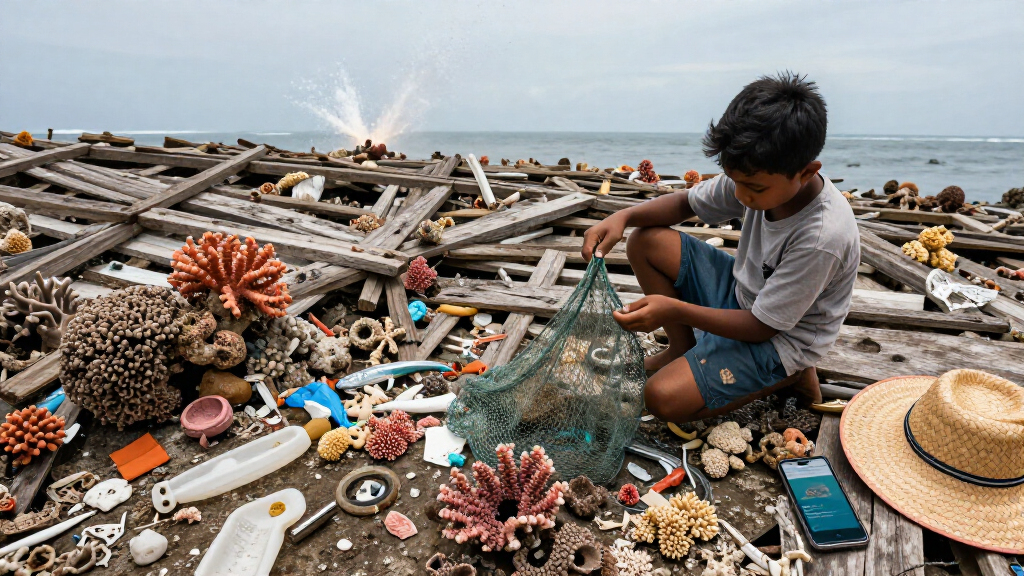
Bomb fishing is causing widespread destruction of Indonesia’s coral reefs. Authorities are working to curb the practice, which threatens marine ecosystems and local communities. The full extent of the damage is still being assessed.
Illegal bomb fishing is rapidly destroying Indonesia’s coral reefs, with recent surveys indicating extensive damage in several regions. Authorities are now intensifying efforts to combat this practice, which poses a serious threat to marine biodiversity and local fishing communities.
Bomb fishing involves the use of explosive devices to catch fish, a method that causes extensive physical destruction to coral reefs and marine habitats. Recent reports from environmental groups and local officials confirm that the practice is widespread in Indonesia, particularly in the waters around Bali, Lombok, and parts of Sulawesi.
According to Indonesia’s Ministry of Marine Affairs and Fisheries, authorities have seized multiple illegal explosives and arrested dozens of fishermen involved in bomb fishing over the past month. Satellite imagery and underwater surveys indicate that large areas of coral have been obliterated in affected zones, with some reports suggesting up to 70% reef cover loss in certain locations.
Environmental experts warn that the damage from bomb fishing is not only immediate but also long-lasting, as coral reefs take decades to recover. The destruction also threatens the region’s rich marine biodiversity, including fish populations vital for local livelihoods and food security.
Environmental and Economic Impact of Reef Destruction
The destruction of coral reefs through bomb fishing has profound environmental and economic consequences. Coral reefs serve as critical habitats for a vast array of marine species, support fisheries, and protect coastal areas from erosion. The ongoing damage jeopardizes Indonesia’s marine biodiversity and threatens the sustainability of local fishing industries, which millions depend on for their livelihoods.
Furthermore, the loss of reefs could diminish Indonesia’s appeal as a tourist destination, affecting revenue generated from diving and snorkeling activities. The long-term ecological costs include diminished fish stocks and increased vulnerability of coastlines to storms and rising sea levels.
As an affiliate, we earn on qualifying purchases.
History and Scope of Bomb Fishing in Indonesia
Bomb fishing has been a persistent issue in Indonesia for decades, often linked to poverty and lack of alternative livelihoods among coastal communities. Despite national bans and international pressure, the illegal practice persists, fueled by demand for high-yield fishing methods and weak enforcement in some regions.
Recent years have seen increased awareness of the environmental damage caused by bomb fishing, with several NGOs and government agencies launching campaigns to raise awareness and crack down on illegal activities. Nonetheless, the practice remains widespread in remote and poorly monitored areas, with some fishermen viewing it as their only means to survive.
Prior studies and satellite data have documented significant reef degradation in the past, but the current scale of destruction appears to be accelerating, prompting urgent calls for more effective enforcement and alternative livelihood programs.
“We have confiscated numerous explosives and arrested dozens of fishermen involved in illegal bomb fishing. The damage to our reefs is alarming and requires immediate action.”
— Indonesian Ministry of Marine Affairs and Fisheries spokesperson
As an affiliate, we earn on qualifying purchases.
Extent of Damage and Effectiveness of Enforcement Efforts
While reports and satellite imagery confirm extensive reef damage, the full geographic scope of bomb fishing remains uncertain due to limited monitoring in remote areas. Additionally, the effectiveness of current enforcement measures is still being evaluated, with some reports indicating ongoing illegal activities despite crackdowns.
It is not yet clear how widespread the practice remains or how quickly reefs could recover if illegal fishing is curtailed. Authorities and environmental groups are working to gather more comprehensive data to better understand the full impact.
As an affiliate, we earn on qualifying purchases.
Government Actions and Community Engagement Strategies
Authorities plan to increase patrols and surveillance in affected regions, including deploying drones and satellite monitoring systems. They are also working with local communities to develop alternative livelihoods, such as sustainable fishing and eco-tourism, to reduce reliance on destructive practices.
Environmental organizations will continue to monitor reef health and advocate for stronger enforcement of bans on bomb fishing. Long-term recovery efforts, including reef restoration projects, are expected to be prioritized once illegal activities are reduced.
As an affiliate, we earn on qualifying purchases.
Key Questions
How does bomb fishing damage coral reefs?
Bomb fishing involves using explosives to catch fish, which destroys coral structures and marine habitats, leading to long-lasting ecological damage.
Why is bomb fishing still happening despite bans?
Many fishermen rely on the method due to poverty and lack of alternative livelihoods, and enforcement can be weak in remote areas.
What are the environmental impacts of reef destruction?
Reef destruction reduces biodiversity, diminishes fish stocks, and increases coastal erosion, affecting both ecosystems and local economies.
What is being done to stop illegal bomb fishing?
The government is increasing patrols, seizing explosives, and promoting alternative livelihoods. NGOs are also raising awareness and supporting reef restoration projects.
How long will it take for damaged reefs to recover?
Recovery can take decades, depending on the extent of damage and conservation efforts, but prevention is essential to enable natural regeneration.
Source: hn
Columbus Day / Indigenous Peoples' Day Picks
long weekend sales
As an affiliate, we earn on qualifying purchases.