
TL;DR

Prime made for students and young adults
- Fast, free delivery for dorm and study essentials
- Prime Video and Amazon Music included
- Member-only deals
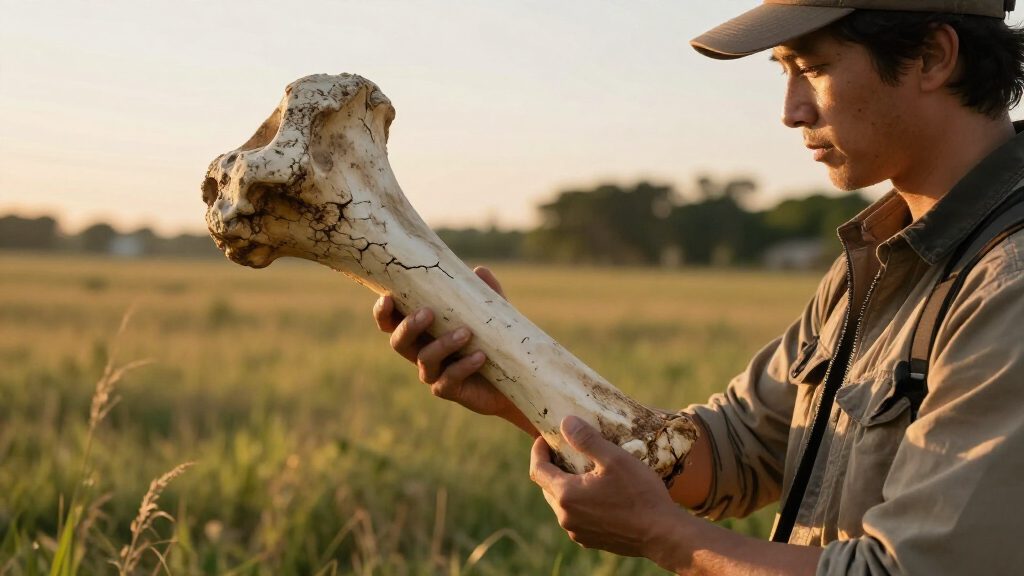
Archaeologists have discovered a substantial collection of woolly mammoth bones in the Danube River. The find provides new insights into Ice Age megafauna and their habitat. Further analysis is ongoing to determine the bones’ age and significance.
Archaeologists have uncovered a large collection of well-preserved woolly mammoth bones in the Danube River, marking a major paleontological discovery. The find was announced by the local museum authorities on November 15, 2023, and is considered one of the most significant recent discoveries of Ice Age megafauna in Europe. The bones’ preservation and location suggest they are part of a former mammoth habitat, offering new insights into prehistoric life and climate conditions.
The discovery was made during routine underwater excavations conducted by a team from the National Museum of Natural History. The bones include skull fragments, tusks, limb bones, and vertebrae, with initial assessments indicating they belong to several woolly mammoths that lived approximately 20,000 to 30,000 years ago. The site is located in a section of the Danube River near the city of Vienna, Austria, where sediment analysis suggests the bones were buried in a wetland environment during the late Pleistocene epoch.
Scientists involved in the excavation have stated that the bones are remarkably well-preserved, with some showing soft tissue impressions and possible DNA traces. Dr. Anna Schmidt, a paleontologist leading the research, confirmed that radiocarbon dating is underway to establish precise ages. The find is considered significant because it may provide new data on the migration, diet, and extinction patterns of woolly mammoths in Europe.
Potential Impact on Understanding Ice Age European Ecosystems
This discovery could reshape current understanding of the distribution and habitat of woolly mammoths in Europe. The Danube site offers a rare glimpse into the environment that supported these large mammals, which are believed to have gone extinct around 4,000 years ago. The bones’ preservation and location may also inform climate models of the late Pleistocene, helping scientists understand how changing temperatures and landscapes affected megafauna populations. Additionally, the find could contribute to ongoing debates about human-mammoth interactions, as some sites show evidence of early human hunting.
As an affiliate, we earn on qualifying purchases.
Recent Paleontological Finds in the Danube Basin
The Danube River basin has yielded several significant prehistoric discoveries in recent years, including stone tools and animal remains dating back to the late Ice Age. Historically, the region has been a corridor for migrating species, including woolly mammoths, during glacial periods. Previous finds have been limited mostly to bones and tusks, but the current discovery of a more complete skeletal assemblage marks a notable advance. Researchers have long suspected that the wetlands and floodplains of the Danube could harbor well-preserved megafauna remains due to favorable sediment conditions.
This find aligns with other recent discoveries across Europe, where climate shifts have exposed or preserved Ice Age fossils in river valleys and wetlands. The discovery in the Danube adds to the growing body of evidence that the region played a significant role in the survival and eventual extinction of megafauna in Europe.
“This discovery provides a rare window into the Ice Age environment of the Danube region and could help us better understand how these majestic creatures lived and died here.”
— Museum Director Karl Weber
As an affiliate, we earn on qualifying purchases.
Unconfirmed Details About the Bones’ Age and Origin
While initial assessments suggest the bones date back roughly 20,000 to 30,000 years, precise dating results are still pending. It remains unclear whether the bones belong to a single individual or multiple animals, and whether they are associated with early human activity in the region. The full extent of the site and whether additional remains are present also remain under investigation. Further analysis is required to confirm the bones’ exact age, origin, and the circumstances of their burial.
As an affiliate, we earn on qualifying purchases.
Upcoming Radiocarbon Dating and Further Excavations
Researchers plan to conduct detailed radiocarbon dating and DNA analysis in the coming months to establish the bones’ age and genetic makeup. Excavation teams will also continue to survey the site for additional remains or artifacts that could shed light on the environment and potential human interactions. The findings are expected to be published in scientific journals once analysis is complete, potentially offering new insights into Ice Age megafauna extinction patterns in Europe.
As an affiliate, we earn on qualifying purchases.
Key Questions
How old are the mammoth bones likely to be?
Initial estimates suggest they are between 20,000 and 30,000 years old, but precise dating is ongoing.
What makes this discovery significant?
The well-preserved bones provide rare insights into the habitat and extinction of woolly mammoths in Europe, especially in the Danube region.
Could these bones be linked to early human activity?
It is currently unknown; further excavation and analysis are needed to determine if there is any association.
What are the next steps for researchers?
Conducting radiocarbon dating, DNA analysis, and further excavations to better understand the bones’ significance.
Where exactly were the bones found?
The bones were discovered in a wetland area near the Danube River, close to Vienna, Austria.
Source: google-trends
Columbus Day / Indigenous Peoples' Day Picks
long weekend sales
As an affiliate, we earn on qualifying purchases.