
TL;DR

Prime made for students and young adults
- Fast, free delivery for dorm and study essentials
- Prime Video and Amazon Music included
- Member-only deals
A new AI-based web app is being developed to help non-lawyers draft legally compliant dispute documents. It verifies citations and formats filings for court use, aiming to improve access to justice for self-represented litigants and small businesses.
An emerging AI tool aims to assist self-represented litigants and small business owners in drafting legally compliant demand letters and court filings for civil disputes. The tool, still in development, seeks to verify citations and ensure proper formatting, potentially reducing errors and court rejection rates. This development could significantly impact access to justice by lowering legal costs and technical barriers for unrepresented parties.
The proposed AI application, described by developers, targets a specific workflow: drafting demand letters for debt collection or eviction cases, and small-claims filings. Users answer a structured intake form providing case details, which the system then generates a court-formatted document. It includes a ‘lawsuit Grammarly’ feature that flags weak or missing legal elements and verifies every citation against a real legal database, preventing hallucinated or inaccurate references.
Current challenges faced by self-represented parties include drafting errors, procedural misunderstandings, and reliance on generic chatbots that often produce fabricated citations. These issues can lead to court sanctions, case dismissals, or weakened claims, escalating legal costs and reducing access to justice. The new tool aims to mitigate these risks by providing attorney-quality drafting and citation verification at a fraction of the cost, with a freemium model offering initial free drafts and paid options for more complex filings.
Developers emphasize that this tool is designed as a narrow MVP focused on small-business and landlord-tenant disputes, where a single well-drafted demand letter or filing can resolve many issues. The system’s core innovation is its real-time verification of legal citations, which addresses a known weakness in existing AI drafting tools that often hallucinate references, especially in high-volume, low-resource scenarios.
Potential Impact on Access to Justice
If successful, this AI tool could dramatically improve the ability of non-lawyers to navigate civil disputes, reducing reliance on expensive attorneys for routine filings. It promises to lower legal barriers for small businesses and individuals, especially those handling debt collection, eviction notices, or small claims. By ensuring citations are accurate and documents are properly formatted, it could decrease court rejections and sanctions, streamlining dispute resolution and possibly reducing case backlog.
Moreover, this development highlights a broader shift toward AI-driven legal support tools that prioritize verification and compliance, addressing long-standing concerns about hallucinated content in generative AI applications. It could set a new standard for legal tech products aimed at unrepresented parties, fostering a more accessible and equitable civil justice system.
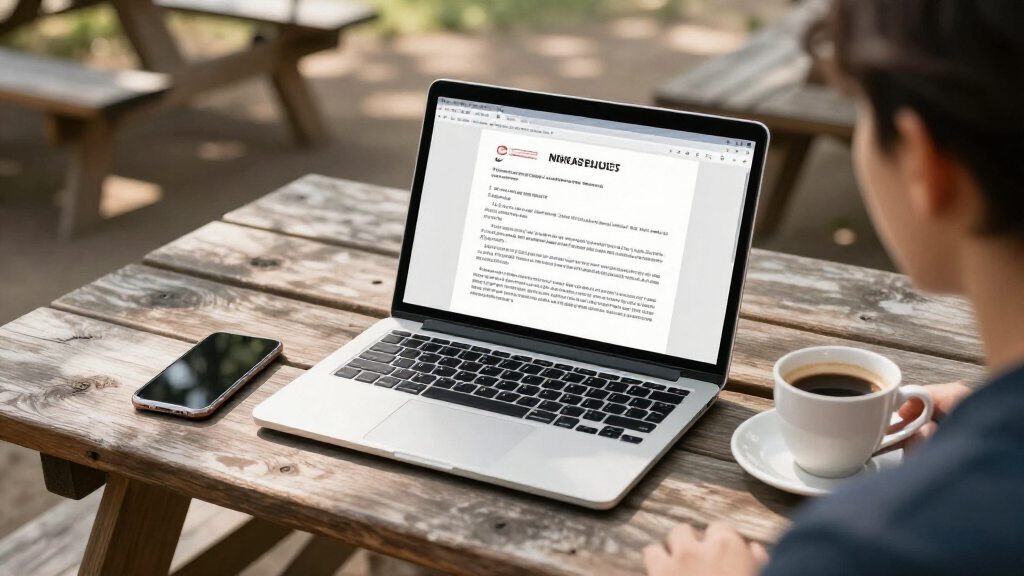
legal document drafting software for small claims
As an affiliate, we earn on qualifying purchases.
As an affiliate, we earn on qualifying purchases.
Background on Self-Representation and Legal Tech Gaps
Currently, about 60% of civil cases in the U.S. are filed by self-represented litigants, often called pro se parties. Many face significant hurdles in drafting accurate, legally compliant documents due to complex procedural rules and legal language. Small businesses and landlords frequently handle disputes like unpaid invoices, evictions, or small claims without legal counsel, relying on templates or generic AI chatbots that often produce errors or hallucinated citations.
Recent data show that from 2000 to 2019, 27% of federal civil cases involved pro se parties, and AI tools have flooded courts with hallucinated legal citations, raising concerns about accuracy and sanctions. Aggregated datasets logged hundreds of cases where AI-generated citations were false or unverified, with pro se litigants accounting for about 39% more hallucination incidents than attorneys. These issues underscore the urgent need for verification-first AI drafting tools tailored for court use.
Developers are now working on a targeted MVP that emphasizes citation verification and proper formatting, aiming to address these specific challenges faced by unrepresented parties in civil litigation.
“This AI tool could fill a critical gap by providing court-ready, citation-verified documents for non-lawyers, reducing errors that often lead to sanctions.”
— an anonymous researcher
citation verification tool for legal documents
As an affiliate, we earn on qualifying purchases.
As an affiliate, we earn on qualifying purchases.
Unverified Effectiveness and Adoption Challenges
It is not yet clear how well the AI system will perform in real-world court settings or how courts will respond to AI-generated filings. The verification database and citation accuracy are still in testing phases, and user adoption depends on ease of use, cost, and legal acceptance. Additionally, regulatory and ethical considerations around AI in legal practice remain unresolved, potentially affecting deployment and acceptance.
court document formatting software
As an affiliate, we earn on qualifying purchases.
As an affiliate, we earn on qualifying purchases.
Next Steps for Development and Testing
Developers plan to launch pilot testing in late 2024, involving small-scale user trials with small-business owners and landlords. They aim to gather feedback on document quality, citation accuracy, and usability. Based on these results, further refinements will be made before broader rollout. Additionally, engagement with courts and legal authorities will be necessary to ensure compliance and acceptance of AI-generated filings.
The team also intends to run a landing page targeting potential early adopters, offering free sample drafts to gauge demand and gather pre-orders, which will inform further development and scaling plans.
AI legal assistance for self-represented litigants
As an affiliate, we earn on qualifying purchases.
As an affiliate, we earn on qualifying purchases.
Key Questions
Can this AI tool replace lawyers for all civil disputes?
No, it is designed for specific workflows like demand letters and small-claims filings. Complex cases requiring legal strategy or courtroom representation still need professional attorneys.
How accurate are the citations verified by this AI?
The system aims to verify citations against a real legal database, but as it is still in development, accuracy levels are being tested. The goal is to eliminate hallucinated or false references entirely before full deployment.
Will courts accept AI-generated documents?
This remains uncertain. Court acceptance depends on legal standards and regulations, which are still evolving around AI use in filings. Developers are engaging with legal authorities to address this issue.
What is the cost of using this AI tool?
The initial offering includes a free draft, with paid options costing approximately $15-40 per document, plus subscription plans for multiple filings. Exact pricing will depend on final features and user feedback.
Is this tool legally compliant in all jurisdictions?
Legal compliance is still being tested, and the tool is primarily designed for U.S. courts. Developers are working to ensure adherence to jurisdiction-specific rules before wider deployment.
Source: IdeaNavigator AI
Columbus Day / Indigenous Peoples' Day Picks
long weekend sales
As an affiliate, we earn on qualifying purchases.