
Lab-grown organs are advancing quickly, and by 2025, they could considerably ease the transplant crisis. Technological breakthroughs in 3D bioprinting and stem cell cultivation bring complex, functional organs closer to reality. These developments promise to reduce waiting times, lower rejection risks, and make organ shortages less severe. However, ethical questions and policies still need addressing to guarantee fair access. To discover how these innovations are shaping future treatments, keep exploring further.
Key Takeaways
- Rapid advancements in 3D bioprinting and stem cell techniques are making functional lab-grown organs increasingly feasible by 2025.
- Clinical trials show promising results, suggesting lab-grown organs could soon be used routinely in transplant surgeries.
- Ethical and policy frameworks are developing to ensure responsible and equitable implementation of lab-grown organ technologies.
- Lab-grown organs could significantly reduce transplant waiting times and organ rejection risks within the next two years.
- Overall, technological progress indicates that lab-grown organs are likely to help address the transplant crisis by 2025.

Lab-grown organs are revolutionizing the field of medicine by offering a promising solution to organ shortages and transplant waiting lists. As these innovations advance, you might wonder about the ethical implications that come with such breakthroughs. Developing lab-grown organs raises questions about the moral boundaries of manipulating human tissues, consent processes, and the potential for creating organs for non-therapeutic purposes. Some worry about the commodification of human body parts or the possibility of creating organs that could lead to new forms of inequality. Despite these concerns, many believe that with proper ethical guidelines, the benefits of saving lives outweigh these challenges.
On the other hand, technological advancements are dramatically accelerating the development of lab-grown organs. Researchers are refining techniques like 3D bioprinting and stem cell cultivation, making it possible to produce complex, functional organs in labs. These innovations mean that, soon, you may be able to receive a transplant with organs grown specifically for you, reducing rejection risks and eliminating long waits. Advances in scaffolding materials and bioengineering are enabling scientists to recreate the intricate structures of organs like kidneys, livers, and hearts, bringing us closer to practical, clinical applications. The progress isn’t just theoretical; clinical trials are already underway, and early results show promising potential for scalability and safety.
As these technological strides continue, you’ll find that the timeline for widespread use of lab-grown organs is becoming more tangible. The ability to generate organs on demand could transform the current transplant system, making it more efficient and equitable. However, it’s vital to stay aware of the ethical landscape, making sure that innovation doesn’t outpace moral considerations. Policies and regulations will play a pivotal role in shaping how these organs are developed, tested, and distributed.
In essence, the combination of rapid technological advancements and ongoing ethical discussions is propelling us toward a future where organ shortages might become a thing of the past. While challenges remain, the progress made so far indicates that by 2025, lab-grown organs could be more than just experimental—they could be a standard part of medical care. This evolution promises to save countless lives, but it also requires careful navigation of moral and social implications to make sure that this breakthrough benefits everyone fairly and responsibly.
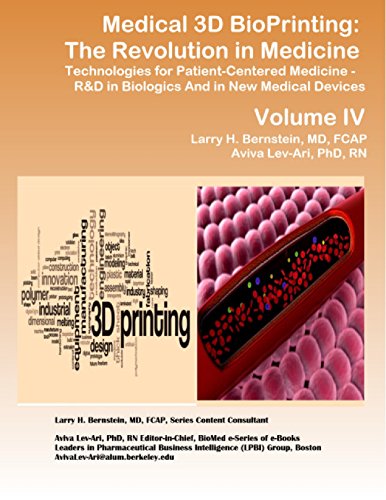
Medical 3D BioPrinting – The Revolution in Medicine Technologies for Patient-centered Medicine: From R&D in Biologics to New Medical Devices (Series E: Patient-Centered Medicine Book 4)
As an affiliate, we earn on qualifying purchases.
As an affiliate, we earn on qualifying purchases.
Frequently Asked Questions
What Are the Ethical Concerns Surrounding Lab-Grown Organs?
You might worry about ethical concerns like religious objections, which question whether lab-grown organs align with your beliefs. Consent challenges also arise, as it’s unclear if donors fully understand how their cells are used. These issues could impact public trust and acceptance. While scientific progress advances, addressing these ethical dilemmas is vital to guarantee responsible development and equitable access to lab-grown organs.
How Long Does It Take to Produce a Lab-Grown Organ?
Producing a lab-grown organ can take anywhere from a few weeks to several months, depending on bioreactor efficiency and stem cell sourcing. You might think it’s quick, but the process involves meticulous growth and development stages. Advances in bioreactor technology and sourcing stem cells more efficiently are speeding things up, yet each organ still requires careful nurturing to make certain safety and functionality before it’s ready for transplant.
Are Lab-Grown Organs as Durable as Natural Ones?
Lab-grown organs are still developing, so their durability comparisons to natural organs vary. Currently, material longevity is improving with advances in bioengineering, but they haven’t yet matched the resilience of natural tissue. You might notice that lab-grown organs are promising but may require further testing for long-term durability. As research progresses, expect these organs to become more durable, offering better solutions for transplant needs in the future.
What Are the Costs Associated With Creating Lab-Grown Organs?
Creating lab-grown organs involves significant costs, including a detailed cost analysis of materials, lab equipment, and skilled personnel. Funding challenges also pose hurdles, as research and development require substantial investment with uncertain returns. You might find that high manufacturing costs and limited insurance coverage make access difficult initially. However, as technology advances and scale increases, these costs are expected to decrease, making lab-grown organs more affordable over time.
How Do Regulatory Agencies Oversee Lab-Grown Organ Development?
Regulatory agencies oversee lab-grown organ development through strict regulatory frameworks and approval processes. They evaluate safety, efficacy, and quality before granting approval, making certain these organs meet health standards. You’ll find agencies like the FDA closely monitoring research, clinical trials, and manufacturing. They require detailed data and compliance with guidelines to protect patients. This oversight helps ensure lab-grown organs are safe and effective before they reach the market, fostering trust and innovation.
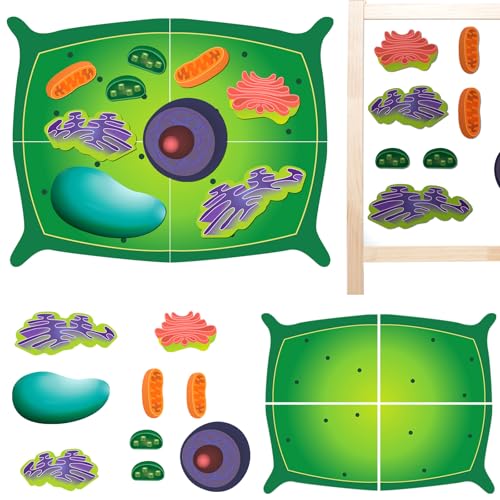
Leitee 18 Pcs Magnetic Plant Cell Model Kits Giant Teaching Resources Early Biology Cell Anatomy Model Life Science Teaching Aid for Whiteboard Learning Tools Educational Classroom Activities
Comprehensive Exploratory Learning Tool: these magnetic plant models come in packs of 18; Dig into the secrets of…
As an affiliate, we earn on qualifying purchases.
As an affiliate, we earn on qualifying purchases.
Conclusion
As you stand on the brink of a new era, remember that like Icarus reaching for the sun, our ambitions can either elevate us or lead us astray. Lab-grown organs hold the promise of transforming lives, but they also remind us of the delicate balance between innovation and caution. If we navigate wisely, we might just turn the myth of despair into a legend of hope, bringing the future of transplants closer than ever before.

Be Amazing! Toys Interactive Human Body – 60 Piece Fully Poseable Anatomy Figure – 14” Tall Model – Anatomy Kit – Removable Muscles, Organs,Bones STEM Toy – Ages 8+
FULLY EQUIPPED 3D BODY PUZZLE – The Interactive Human Body is a 14" Tall, Fully Articulated and Posable…
As an affiliate, we earn on qualifying purchases.
As an affiliate, we earn on qualifying purchases.

Ruiishunyy Human Body Model for Anatomy Study – 15 PCS Removable 11 inch Human Torso Anatomy Model with Internal Organs – Assembly Anatomy Torsol Model for Students, Teachers
REALISTIC HUMAN BODY MODEL: The 11" Small Human Body Model includes 15 removable parts including the torso, brain…
As an affiliate, we earn on qualifying purchases.
As an affiliate, we earn on qualifying purchases.