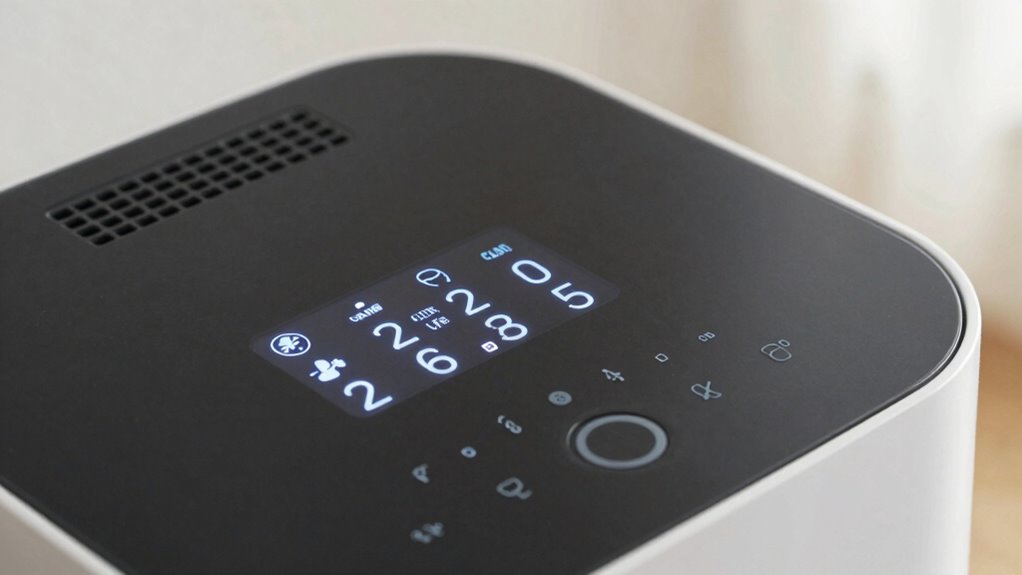

To understand air purifier specs, focus on key features like filter lifespan, maintenance needs, noise levels, and technology type. Check how often filters need replacing—HEPA filters last 6-12 months, activated carbon every 3-6 months—since this impacts costs and upkeep. Look at noise ratings to guarantee it suits your environment. If you keep these points in mind, you’ll feel more confident picking the right model; stay with us, and you’ll discover even more tips.

Prime made for students and young adults
- Fast, free delivery for dorm and study essentials
- Prime Video and Amazon Music included
- Member-only deals
Key Takeaways
- Focus on filter lifespan and replacement schedule to understand maintenance needs and costs.
- Compare noise levels (dB) to determine suitability for your environment and comfort.
- Identify the filter type (HEPA or activated carbon) to assess effectiveness for allergens or odors.
- Consider technology features impacting performance and how they align with your specific needs.
- Balance specs like filter lifespan and noise to choose a device that fits your lifestyle and budget.
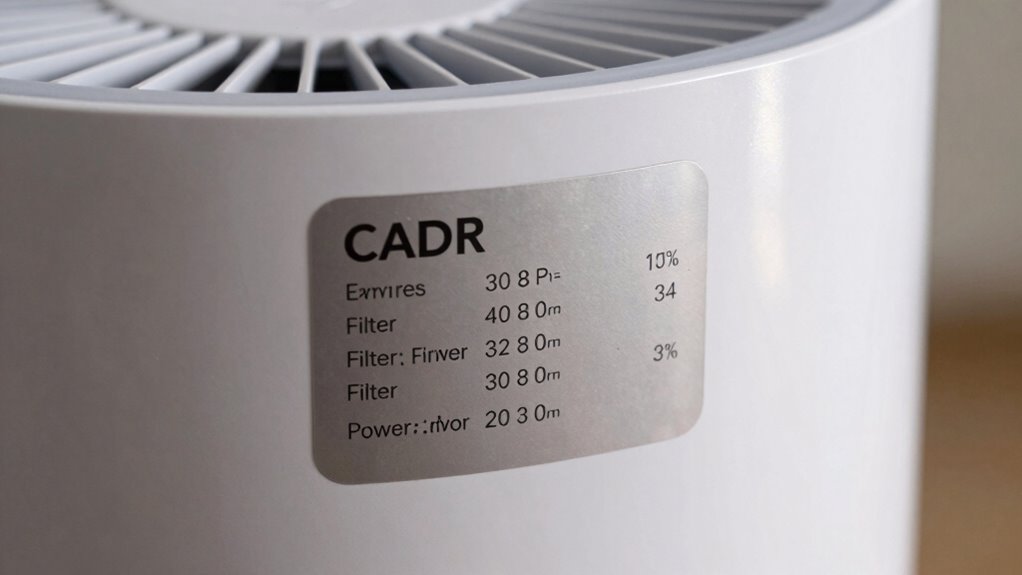
When shopping for an air purifier, understanding its specs can feel overwhelming, but knowing what to look for makes the process much easier. Two key aspects to focus on are filter lifespan and noise levels. Filter lifespan tells you how often you’ll need to replace or clean the filters, which directly impacts maintenance costs and convenience. Typically, manufacturers list this in months or hours of use. A longer filter lifespan means less frequent replacements, saving you time and money. Pay attention to the type of filter used; HEPA filters, for example, often last 6 to 12 months, but some high-quality models can extend this to 18 months or more. Activated carbon filters, used for odors, tend to need replacement sooner—around 3 to 6 months. Knowing these details helps you plan and avoid surprises, especially if you’re sensitive to allergens or have pets. Additionally, understanding the filter lifespan can help you assess the total cost of ownership over time. Noise levels are another critical spec because an air purifier isn’t just a functional device—it’s part of your living space. Manufacturers usually specify noise levels in decibels (dB), giving you an idea of how loud the unit will be during operation. A lower decibel number indicates a quieter machine. For instance, 20-30 dB is comparable to a whisper, making it suitable for bedrooms or study areas. Higher noise levels, around 50-60 dB, are typical for running on high settings but can be disruptive if you need peace and quiet. Consider where you’ll place the purifier and your tolerance for noise. If you want it running overnight, look for a model with a “sleep mode” or quiet operation rating. This ensures you get clean air without constant background noise disturbing your sleep or concentration. Understanding these specs also involves recognizing technology differences, such as DLP versus LCD, which can affect the overall performance and color fidelity of the device. For example, a unit with a longer filter lifespan might seem more cost-effective, but if it produces more noise, it might not be suitable for your environment. Additionally, being aware of filter material quality can impact the efficiency and lifespan of your filters, helping you make a more informed decision. Conversely, a quieter model with a shorter filter lifespan could require more frequent maintenance, increasing long-term costs. By balancing these specifications, you get an air purifier that fits your lifestyle and needs. In short, focus on filter lifespan and noise levels to make an informed choice. This way, you can enjoy cleaner air without hassle or disturbance, all while avoiding confusion caused by complex, jargon-heavy specs. When you know what to look for, buying an air purifier becomes straightforward and even satisfying.
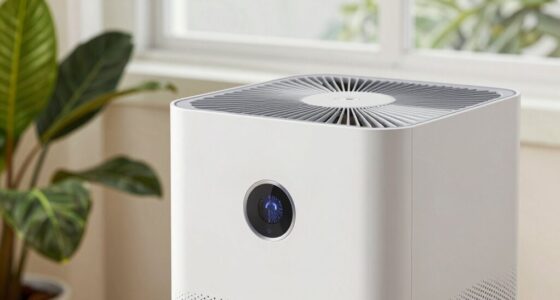
HEPA air purifier with long-lasting filters
As an affiliate, we earn on qualifying purchases.
As an affiliate, we earn on qualifying purchases.
Frequently Asked Questions
How Often Should I Replace the Filter in My Air Purifier?
You should replace your air purifier filter based on its filter lifespan, which typically ranges from 6 to 12 months. Check your device’s replacement schedule or manufacturer’s recommendations, as factors like usage and air quality can affect this. Regularly inspect the filter for dirt and buildup; if it looks dirty before the scheduled time, replace it sooner to maintain ideal air quality and purifier efficiency.
Do Higher CADR Ratings Always Mean Better Air Purification?
Higher CADR ratings usually mean better air purification, especially for removing dust, pollen, and smoke, but it’s not the only factor. HEPA filters are key for capturing tiny particles, regardless of CADR. So, look for a high CADR for your room size and a good HEPA filter. Combining both guarantees the air purifier is effective. Don’t just chase numbers—consider your specific air quality needs too.
Is Noise Level an Important Factor When Choosing an Air Purifier?
Yes, noise level is an important factor when choosing an air purifier. You want a device with good noise comparison, especially if you plan to run it in a bedroom or quiet space. Look for models that offer quiet operation, so it doesn’t disrupt your sleep or concentration. A quieter purifier enhances comfort and guarantees you can run it continuously without feeling annoyed by constant noise.
Can Air Purifiers Effectively Remove Odors From Pets or Cooking?
Think of your air purifier as a skilled detective, chasing down elusive pet odors and stubborn cooking smells. Yes, it can effectively banish these scents, especially if equipped with specialized filters like activated carbon. These filters act like scent scrubbing sponges, absorbing and neutralizing odors. To maximize its performance, choose a purifier with a high CADR rating for odors, and run it consistently during and after cooking or when pets are active.
What Additional Features Should I Consider Beyond Specs?
Beyond specs, consider features like smart technology, which allows you to control and monitor your air purifier remotely via apps, making maintenance easier. Energy efficiency is also key; look for models with energy-saving modes or high efficiency ratings to reduce power bills. Additional features like auto mode, air quality sensors, and quiet operation enhance convenience and performance, ensuring your space stays fresh without extra effort or high costs.
As an affiliate, we earn on qualifying purchases.
Conclusion
Understanding air purifier specs might seem tricky at first, but once you get the hang of it, you’ll make smarter choices for your home. For example, imagine you’re choosing between two models; knowing that one covers 300 sq. ft. and has a CADR of 200 means it’s suitable for your living room. By decoding these details, you guarantee cleaner air and better health. So, take your time, compare specs, and breathe easier knowing you’re making an informed decision.
air purifier with activated carbon filter
As an affiliate, we earn on qualifying purchases.
As an affiliate, we earn on qualifying purchases.
As an affiliate, we earn on qualifying purchases.
Halloween Picks
halloween
As an affiliate, we earn on qualifying purchases.