
TL;DR

Prime made for students and young adults
- Fast, free delivery for dorm and study essentials
- Prime Video and Amazon Music included
- Member-only deals
Three leading AI tuning tools—Tinker, Forge, and Frontier—offer distinct approaches to model customization, targeting regulated sectors requiring full control and data sovereignty. The choice depends on enterprise needs and technical capacity.
Three major AI tuning platforms—Tinker, Forge, and Frontier Tuning—offer different levels of control and deployment options for regulated industries. These tools are shaping how organizations manage AI models with full ownership, compliance, and security in mind, making their differences critical for enterprise decision-makers.
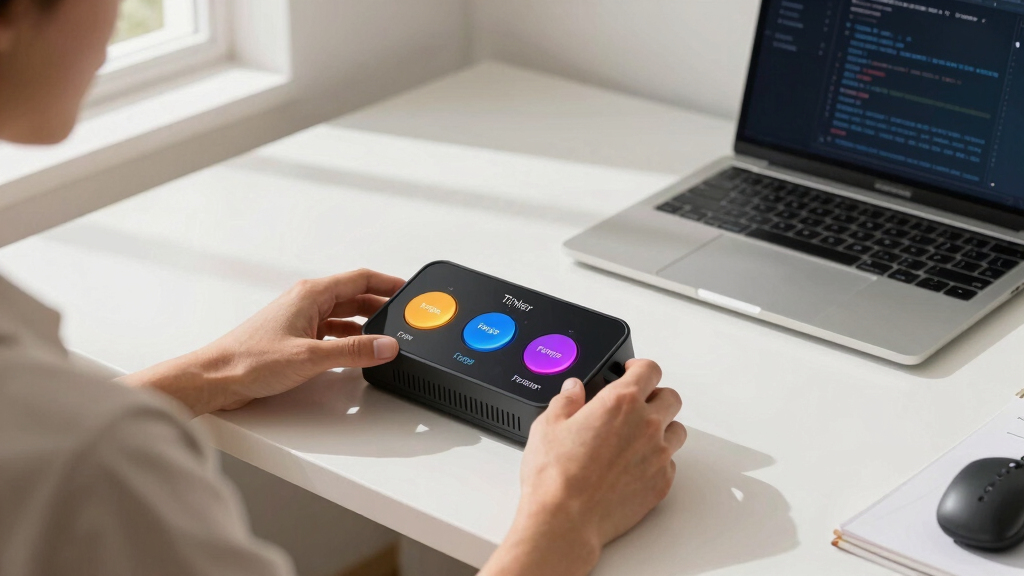
Tinker, developed by Thinking Machines, provides an open-weight, low-level training API focused on research and technical teams. It allows users to download and export model weights, supporting multiple base models like Qwen and GPT-OSS, and emphasizes user control over training processes. Its target audience includes university labs and deep-tech enterprises, requiring ML expertise.
Forge, from Mistral, offers a managed, full-lifecycle program tailored for European sovereignty and regulated sectors. It enables in-region training, on-prem deployment, and embeds engineers within client teams, appealing to organizations with sensitive data and strict compliance needs. Its high cost and commitment level make it suitable for large, data-sensitive entities like aerospace and industrial firms.
Frontier Tuning, announced by Microsoft at Build 2026, integrates model tuning within Azure AI Foundry, providing enterprise-grade data lineage, seamless integration into existing tools, and a unified governance platform. It targets organizations seeking scalable, compliant customization while leveraging Microsoft’s ecosystem for deployment and management.
Implications for Regulated and High-Consequence Sectors
This comparison highlights how different AI tuning approaches cater to specific needs in highly regulated industries such as healthcare, finance, and defense. Full control over models, data sovereignty, and compliance are crucial factors influencing enterprise adoption. The choice among these tools determines how organizations balance flexibility, security, and operational complexity, impacting their AI deployment strategies.
As an affiliate, we earn on qualifying purchases.
Market Trends in AI Model Customization for Regulated Industries
The AI landscape is shifting toward more customizable, ownership-preserving solutions, especially for sectors with strict data privacy and compliance requirements. Historically, many organizations relied on API-based models, but increasing regulation—like GDPR and the EU AI Act—drives demand for on-prem or sovereign cloud options. Companies like Thinking Machines, Mistral, and Microsoft are responding with platforms that address these needs, emphasizing control, transparency, and legal compliance.
Recent announcements at Build 2026 and market growth forecasts for sovereign AI spending underscore the momentum behind these tailored solutions. The evolution reflects a broader industry trend toward democratizing AI customization while maintaining rigorous governance standards.
“Our Tinker API offers complete control and portability, enabling researchers and organizations to manage their models independently.”
— Thinking Machines spokesperson
As an affiliate, we earn on qualifying purchases.
Remaining Questions About Platform Capabilities and Adoption
It is still unclear how widely each platform will be adopted across different industries, especially given the varying technical expertise required. Details about long-term model ownership, data privacy, and interoperability standards are still emerging. Additionally, the competitive landscape may shift as new players enter or existing solutions evolve.
As an affiliate, we earn on qualifying purchases.
Upcoming Developments and Industry Adoption Trends
Organizations will likely evaluate these platforms based on their regulatory needs, technical capacity, and strategic goals. Further updates are expected as vendors enhance features, expand integrations, and demonstrate compliance in real-world deployments. Industry adoption will become clearer over the coming months, especially as sector-specific use cases emerge and regulatory frameworks evolve.
As an affiliate, we earn on qualifying purchases.
Key Questions
Which platform offers the most control over AI models?
Tinker provides the most control, allowing users to download and export model weights, and customize training at a low level.
Who should consider using Forge?
Forge is best suited for large organizations with sensitive data, especially within the EU, that require in-region training, full data sovereignty, and embedded engineering support.
What are the main differences between Frontier Tuning and the other two?
Frontier Tuning offers integrated, enterprise-grade model customization within Azure, emphasizing seamless deployment, governance, and compliance, unlike the more research-focused Tinker or the managed, sovereign approach of Forge.
Are these platforms suitable for small or non-technical organizations?
Currently, Tinker and Forge are more targeted toward technically advanced users and large enterprises. Frontier Tuning aims to be more accessible within existing Microsoft tools but still requires some technical integration.
What is the main factor influencing platform choice?
The key considerations are data sovereignty, compliance requirements, technical expertise, and the desired level of control over models and deployment environments.
Source: ThorstenMeyerAI.com
Halloween Picks
halloween
As an affiliate, we earn on qualifying purchases.