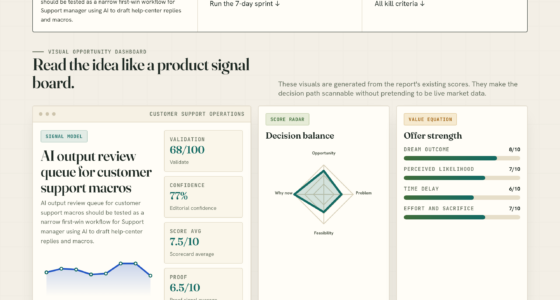

📊 Full opportunity report: When Does Cheap Memory Come Back? The 2027–2029 Question on ThorstenMeyerAI.com — validation score, market gap, and execution plan.

Prime made for students and young adults
- Fast, free delivery for dorm and study essentials
- Prime Video and Amazon Music included
- Member-only deals
TL;DR
Memory shortages are expected to continue until at least 2027, with stabilization unlikely before 2028. Industry capacity expansions are slow, and prices may remain elevated for years.
Memory prices are unlikely to return to pre-crisis levels before 2028 or later, according to industry estimates. Experts warn that supply constraints and long lead times for new fabrication plants mean relief is delayed, impacting manufacturers and consumers worldwide.
Multiple industry sources, including IDC and major memory makers like Samsung, SK Hynix, and Micron, project a timeline where supply begins to stabilize around mid to late 2027. However, full normalization of prices and availability is expected to take until 2028–2029.
The primary reason for this delay is the lengthy process of building and ramping new fabs, which takes several years. The first significant capacity increases—such as Micron’s Idaho DRAM plant and SK Hynix’s Yongin facility—are expected to come online between 2027 and 2028, but the largest projects, like Micron’s Clay megafab in New York, are not scheduled until 2030.
Industry insiders note that even as new capacity arrives, structural bottlenecks—such as advanced packaging and wafer yield issues—limit how quickly prices can fall. Additionally, current demand, especially from AI applications, remains high, with some companies locking in long-term supply agreements through 2029, further constraining the market.
When does cheap memory come back?
The question everyone’s really asking: do I just wait this out? The honest answer is a timeline, three scenarios, and news you may not want — the cheap memory you remember isn’t coming back. A less-expensive market probably is — later, and at a higher floor.
Capacity ramps ’27–’28; price climbs stop, then ease. Settles ~30–50% above pre-crisis — the new baseline, not a return to 2024.
AI keeps accelerating; OpenAI locked ~40% of DRAM through 2029; makers pause expansion to protect record margins; each HBM gen worsens the math.
AI demand moderates just as delayed ’27–’28 fabs all arrive → classic overshoot → prices crash. Not the bet — but never impossible in this industry.
The one relief valve that needs no fab is efficiency: if compression (Part 9) cuts how much memory each model needs, demand softens on the timescale of a software update, not a construction project. So the posture isn’t waiting — it’s the discipline this series has been about. Memory is now a scarce, valuable resource; treat it that way. Buy what you need, right-size, own what’s steady, rent what’s spiky, quantize either way. The people who do best won’t be the ones who guessed the bottom — they’ll be the ones who stopped needing so much. That’s the squeeze, end to end.
Implications of Persistent Memory Scarcity
The projected delay in memory price relief means ongoing higher costs for data centers, AI infrastructure, and consumer electronics, potentially influencing product pricing and supply chains for years. Businesses and consumers should prepare for sustained shortages and elevated prices, with some analysts suggesting a new normal of 30–50% higher prices than pre-crisis levels.
Furthermore, the scarcity could impact technological development, as higher memory costs may slow innovation or lead to increased focus on efficiency and memory compression techniques. The industry’s cautious expansion and high profitability suggest a deliberate restraint that may keep prices elevated longer than historically typical boom-bust cycles.
As an affiliate, we earn on qualifying purchases.
Background on Memory Market Constraints
The global memory market has been under pressure since 2026 due to supply chain disruptions, chip manufacturing delays, and surging demand from AI and data center applications. Major producers like Samsung, SK Hynix, and Micron have announced capacity expansions, but these projects face long lead times—often several years—due to the complexity of building advanced fabrication facilities.
Historically, memory markets have experienced boom-and-bust cycles, but the current situation is compounded by structural bottlenecks, such as limited cleanroom space and the high wafer costs associated with next-generation HBM memory. The industry consensus suggests that relief will be gradual, with prices remaining elevated well into the late 2020s.
“We anticipate memory shortages could extend through 2027 and beyond, with a more balanced supply likely arriving only around 2028.”
— Samsung spokesperson
As an affiliate, we earn on qualifying purchases.
Uncertainties in Memory Market Recovery Timeline
While most sources agree on a general timeline, specific market conditions—such as demand fluctuations, technological breakthroughs, or unexpected supply chain disruptions—could accelerate or delay the expected easing of shortages. The impact of AI demand and potential changes in memory compression techniques also remain unpredictable, potentially altering future supply and pricing trends.
As an affiliate, we earn on qualifying purchases.
Upcoming Capacity Expansions and Market Developments
Key developments to watch include the start of Micron’s Idaho fab in 2027, SK Hynix’s Indiana plant, and Samsung’s new Pyeongtaek line. Monitoring these projects’ progress will provide clearer signals on when supply constraints begin to ease. Industry analysts will also track demand trends, especially from AI applications, and technological innovations that might reduce memory consumption.
Additionally, policymakers’ support for domestic fabs, such as the CHIPS Act-funded US facilities, could influence the timing and scale of relief, though these are not expected to impact the near-term supply until 2028 or later.
As an affiliate, we earn on qualifying purchases.
Key Questions
Will memory prices ever return to pre-2024 levels?
Most industry experts believe that prices will not fully return to pre-crisis levels before 2028–2029, with a new normal of higher prices likely to persist due to structural constraints and demand growth.
Why is it taking so long for new memory fabs to come online?
Building and ramping new fabrication plants is a lengthy process that involves complex construction, advanced manufacturing setup, and yield optimization, often taking several years.
Could a market crash happen if demand suddenly drops?
Yes, historically, memory markets have experienced boom and bust cycles. If demand moderates sharply, oversupply could lead to a price crash, but current demand from AI and data centers makes this scenario less likely in the near term.
Are there ways to reduce memory demand without lowering AI activity?
Yes, techniques like memory compression, more efficient algorithms, and better stacking yields can reduce overall memory requirements, potentially easing demand pressures faster than capacity expansion alone.
Source: ThorstenMeyerAI.com
Fall Picks
fall essentials
As an affiliate, we earn on qualifying purchases.