
TL;DR

Prime made for students and young adults
- Fast, free delivery for dorm and study essentials
- Prime Video and Amazon Music included
- Member-only deals
Memory prices are stabilizing at high levels because consumers can no longer afford increases, not because supply has improved. Industry capacity shifts toward AI hardware are driving these costs, impacting buyers and hardware costs.
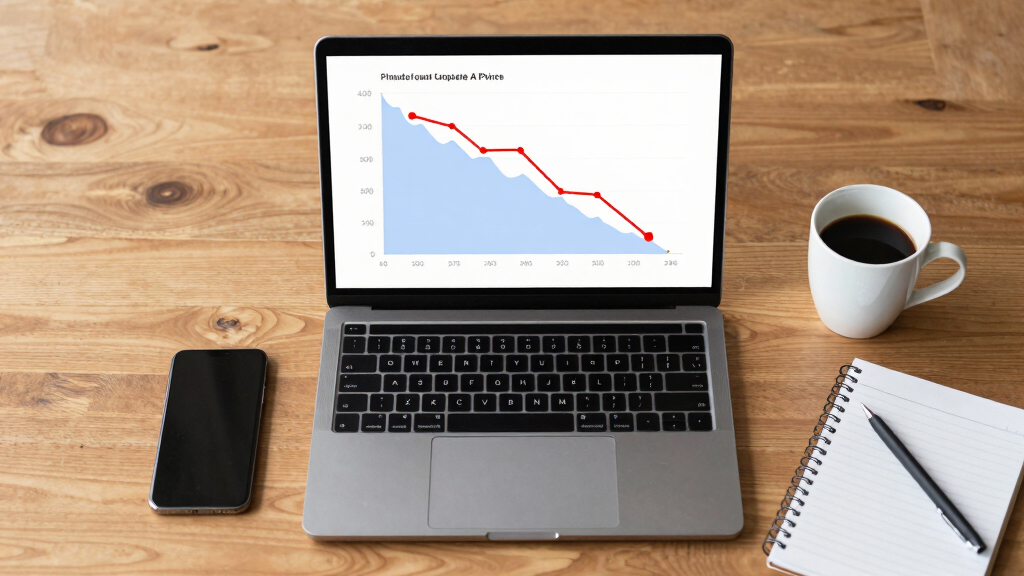
Memory prices are slowing their rate of increase in 2026, but this does not indicate market relief. Instead, demand exhaustion among consumers is the primary factor, with supply still tight. Industry capacity shifts toward high-bandwidth memory for AI are fueling prices, not easing them, according to recent market surveys.
Recent data from TrendForce shows that conventional DRAM contract prices increased by only 13–18% quarter-over-quarter for Q3 2026, a significant slowdown from the 60% jumps seen earlier in the year. Similarly, NAND prices rose 10–15%, indicating a plateau rather than a recovery. Market analysts attribute this moderation to consumer electronics makers reaching their affordability limits. This demand destruction, not supply recovery, is responsible for the slower price increases, contradicting optimistic headlines about a market rebound.
Industry capacity shifts are a key driver behind persistent high prices. Major manufacturers like Samsung, SK Hynix, and Micron have reallocated most of their wafer capacity toward high-bandwidth memory (HBM) for AI accelerators. This transition involves a roughly 3-to-1 conversion ratio, meaning each HBM wafer displaces three DDR5 wafers from the market. HBM demand is so high that it is sold out through 2026, with SK Hynix and Micron having booked their entire supply for the year by late 2025. This reallocation has caused record price surges: PC DRAM contracts surged over 100% in Q1 2026, and DDR5 chip prices quadrupled within a single quarter.
Despite record profits and documented capacity shortages, industry insiders emphasize that the current market conditions are driven by deliberate capacity decisions and demand exhaustion, not supply shortages alone. Analysts warn that vendors’ messaging about ongoing shortages should be scrutinized, as the industry has a history of price-fixing and profit maximization during shortages.
Why Consumer Hardship Drives Memory Price Trends
This situation indicates that memory prices remain high due to demand exhaustion rather than supply improvements. Consumers and hardware builders face ongoing cost pressures, with prices unlikely to decline before late 2027. The reallocation toward AI hardware means that affordability for general consumers and smaller builders will remain constrained for years, affecting hardware costs and upgrade cycles.
For enterprises and individual users, this means building or upgrading hardware within the next two quarters is advisable, as waiting risks paying higher prices later. The market’s current state underscores a structural shift, not a short-term cycle, making it essential to plan accordingly.
Popular right now

Hisense 85 U6 Pro Series Mini-LED ULED 4K UHD HDR Gaming AI Smart Fire TV (85U6SF Pro)

Ninja Foodi 10-Qt DualZone Smart XL Air Fryer, 6-in-1, DZ550

KitchenAid Artisan 5-Quart Tilt-Head Stand Mixer, KSM150PS, Almond Cream
As an affiliate, we earn on qualifying purchases.
Industry Capacity Reallocation and Demand Exhaustion
Over the past year, the industry has shifted significant wafer capacity toward high-bandwidth memory (HBM) for AI applications. This transition involves a high conversion ratio, removing large amounts of DDR5 capacity from the market. Major manufacturers like Samsung, SK Hynix, and Micron have prioritized AI hardware, with SK Hynix and Micron having sold out their entire 2026 HBM supply by late 2025. This capacity shift has contributed to record price surges in DRAM and NAND, with prices rising sharply since autumn 2025.
Despite these shortages, industry insiders highlight that the supply constraints are partly a result of deliberate capacity reallocation and not solely due to unexpected shortages. The demand from consumers has plateaued because buyers are reaching their spending limits after months of relentless price increases, leading to demand destruction rather than supply recovery. Analysts expect relief only around late 2027, when new manufacturing facilities, such as Micron’s Idaho fabs, come online.
“Industry capacity shifts toward high-bandwidth memory are causing persistent shortages and high prices, despite record profits.”
— market insider
Unclear Duration of Demand Exhaustion and Capacity Shifts
It remains unclear how long demand exhaustion will persist and whether the capacity reallocation toward AI memory will continue to suppress prices for the foreseeable future. While analysts predict relief around late 2027, actual market dynamics could shift if new supply sources come online sooner or if demand patterns change unexpectedly.
Upcoming Industry Capacity and Market Price Trends
Next steps include monitoring Micron’s new manufacturing facilities, expected to begin production around late 2027, which could alleviate some supply pressures. Additionally, hardware builders are advised to plan purchases within the next two quarters to avoid higher prices later. Market analysts will continue tracking demand patterns and capacity reallocations to refine forecasts for 2027 and beyond.
Key Questions
Are memory prices expected to decline soon?
Prices are unlikely to decline before late 2027 due to ongoing capacity reallocation and demand exhaustion.
What is driving the high memory prices if supply is tight?
The primary driver is demand exhaustion among consumers and industry capacity shifts toward AI hardware, not supply shortages alone.
Should I buy hardware now or wait?
If you need hardware within the next two quarters, buying now is advisable to avoid higher costs later, as prices are expected to remain high or increase.
Will AI hardware demand decrease soon?
Current industry capacity shifts suggest AI hardware demand will remain high through 2026, with relief expected only after new manufacturing capacity begins in late 2027.
Source: ThorstenMeyerAI.com