
Ancient Greeks didn’t have a formal, widespread festival dedicated solely to the winter solstice, but they celebrated the importance of light and the sun through various rituals and mythological stories. They often lit torches and candles to honor Helios, the sun god, symbolizing the sun’s return after the longest night. These acts of illumination reflected their belief in light’s essential role for life and hope. Discover more about how these traditions symbolized resilience and renewal.
Key Takeaways
- The ancient Greeks celebrated the winter solstice through rituals emphasizing light, renewal, and the solar cycle, but lacked a specific festival solely dedicated to it.
- Greek mythology personified the sun as Helios, whose journey at solstice symbolized the darkest point before the sun’s return.
- Rituals involved lighting torches and candles to symbolize the sun’s renewed strength and divine gift of light.
- These practices reflected the importance of solar symbolism in Greek culture, emphasizing hope and resilience during dark times.
- While no formal festival existed, solstice-related celebrations reinforced the mythological and spiritual significance of light and the sun’s return.

Have you ever wondered why people celebrate the winter solstice? It’s a time when the days are at their shortest, and the night seems to stretch endlessly. For many ancient cultures, including the Greeks, this event held profound significance. The winter solstice wasn’t just about the changing seasons; it was deeply rooted in solar symbolism and mythological stories that explained the cycle of light and darkness. You see, the sun’s return after the longest night symbolized hope, renewal, and the eternal battle between darkness and light. The Greeks, like other civilizations, observed this transition with rituals and festivals that celebrated the solar cycle, emphasizing the sun’s vital role in sustaining life.
The winter solstice symbolizes hope, renewal, and the eternal struggle between darkness and light in Greek tradition.
In Greek mythology, the sun was personified by Helios, the radiant god who drove his chariot across the sky each day, bringing light to the world. The winter solstice represented a moment of pause, a recognition that Helios’s journey was temporarily at its lowest point, casting shadows over the land. Yet, it also marked the promise of his ascent, a reassurance that light would return. This mythological significance was central to their understanding of the cosmos, framing the winter solstice as a pivotal point in the cosmic cycle. The Greeks believed that by honoring the sun during this time, they could influence its power and guarantee the return of longer days, which was essential for agriculture and survival.
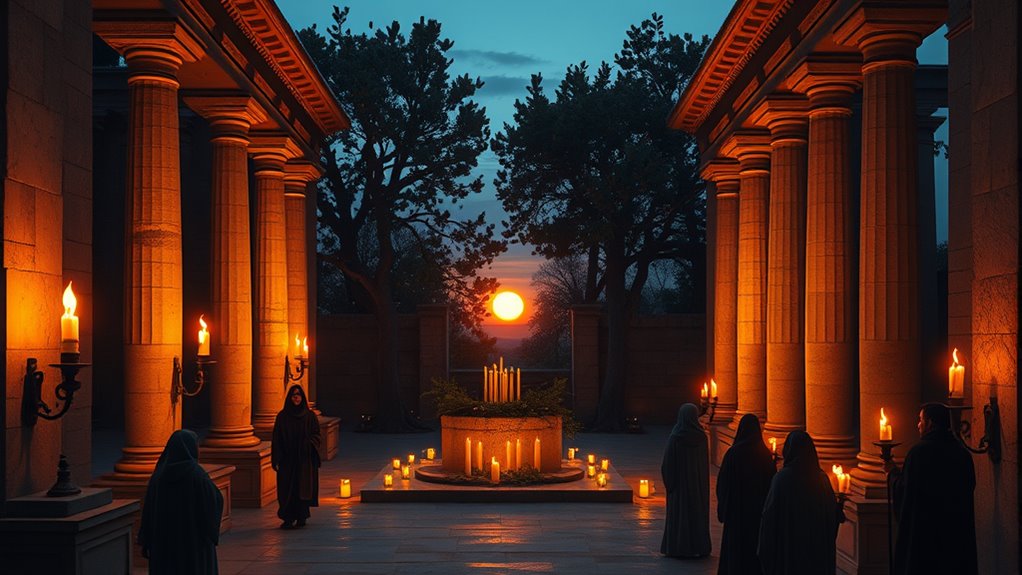
The idea of celebrating the return of the sun translated into various rituals and festivities. While the Greeks didn’t have a single, widespread festival dedicated solely to the solstice, they incorporated the theme of light into their religious practices. For example, during certain festivals, they would light torches and candles to symbolize the sun’s renewed strength. These acts reinforced the solar symbolism that the sun’s light was a divine gift, a source of life, and a symbol of hope. Such celebrations reflected their understanding of the mythological significance of the solstice—the acknowledgment that darkness is temporary and that the light, and with it vitality and prosperity, would inevitably return.
Additionally, the Greeks recognized the importance of solar symbolism as a unifying theme that connected their mythology, rituals, and understanding of the natural world. In essence, the Greek view of the winter solstice intertwined their reverence for solar symbolism with their mythological stories, creating a spiritual framework that celebrated renewal and resilience. They saw the changing seasons as a reflection of the eternal struggle between darkness and light, with the solstice standing as a beacon of hope. Their rituals and myths served as a reminder that even in the darkest times, the sun’s return is certain, inspiring them to endure and look forward to the promise of longer days ahead.
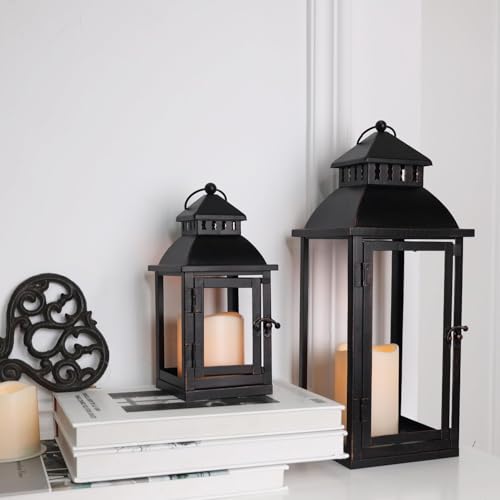
DECORKEY LED Lanterns Decorative Outdoor&Indoor, Set of 2 (17’’&11’’) Large Black Metal Lantern Decor with bronze brush, Candle Holder for Porch, Patio, Garden, Balcony, Wedding Decorations (No Glass)
🔥 This LED candle lantern does not have glass.
As an affiliate, we earn on qualifying purchases.
As an affiliate, we earn on qualifying purchases.
Frequently Asked Questions
Did the Ancient Greeks Celebrate the Solstice With Specific Rituals?
Yes, the ancient Greeks celebrated the solstice with specific rituals. You might notice they incorporated Greek mythological symbolism, honoring gods like Demeter and Persephone, reflecting the cycle of seasons and agricultural renewal. These rites marked the changing seasons and celebrated the return of longer days, often involving seasonal agricultural rites to guarantee harvest success. These traditions helped them link celestial events with their mythological beliefs and agricultural practices.
How Did Greek Mythology Influence Winter Solstice Traditions?
Imagine a world where mythical symbolism and divine influence shape your winter traditions. Greek mythology deeply influenced winter solstice customs by embodying themes of rebirth and renewal through gods like Apollo and Demeter. These myths inspired rituals celebrating light overcoming darkness, symbolizing hope and new beginnings. Their divine stories provided a spiritual framework, turning seasonal change into meaningful cultural expressions that still resonate today, even in modern holiday festivities.
Were There Any Greek Festivals Dedicated Solely to the Winter Solstice?
You won’t find a specific Greek festival solely dedicated to the winter solstice, as Greek festival origins focus more on seasonal and mythological celebrations like Dionysia or Panathenaia. However, ancient customs often included rituals honoring the changing seasons, like light offerings and festivities that celebrated the rebirth of the sun. These customs influenced later winter traditions, blending mythology with seasonal observances, even if no single festival was dedicated exclusively to the solstice.
What Symbols of Light Were Used in Greek Winter Celebrations?
You’re in for a bright surprise! Greek winter celebrations used symbols of light like torches, candles, and winter lanterns to symbolize hope and renewal. Greek light symbolism often included oil lamps and fire torches, illuminating the darkness of winter. These symbols helped create a warm, festive atmosphere, reminding everyone that spring’s return was just around the corner. You can imagine the glow of winter lanterns lighting up the night, bringing cheer to all.
Did Ancient Greeks Associate the Solstice With Agricultural or Spiritual Significance?
You’ll find that the ancient Greeks associated the solstice more with spiritual renewal than agriculture. They saw solar symbolism as a sign of rebirth and divine power, celebrating the return of longer days as an opportunity for renewal. This spiritual perspective emphasized inner growth and divine connection, making the solstice a time to honor the sun’s influence and reflect on personal and spiritual renewal, rather than focusing solely on agricultural cycles.
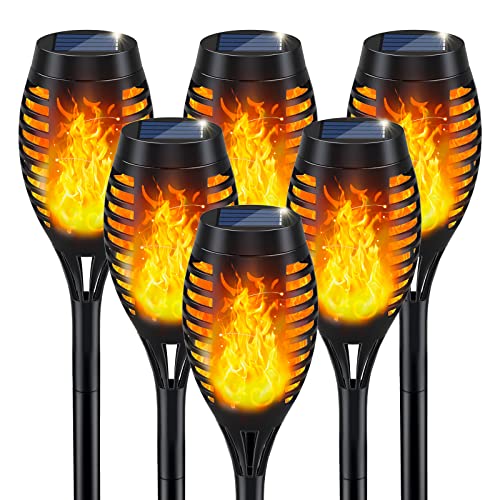
IkeeRuic Solar Lights Outdoor, Solar Torch Light with Flickering Flame for Outdoor Decor, Solar Garden Lights, Waterproof Outdoor Lighting, Flame Torches for Outside Patio Pathway Yard Decorations
Flickering Flames Torch Lights: IkeeRuic small solar outdoor lights cast a lovely warm glow like flickering flame, a…
As an affiliate, we earn on qualifying purchases.
As an affiliate, we earn on qualifying purchases.
Conclusion
As you imagine the ancient Greeks celebrating the winter solstice, you see flickering flames guiding the night, lanterns illuminating darkened skies, and offerings warming hearts. You feel the hope rising with each light, the promise of longer days, and the unity of community. Just as the stars shine brightest in the winter night, so too did their festival shine as a beacon of renewal, light, and life—reminding you that even in darkness, there’s always a spark waiting to ignite.

Yule Soy Candle, Winter Holiday Candles, Herb & Crystal Candles, Opalite Candle, Winter Solstice, Wheel of the year,Ritual and Intention
SOY WAX CANDLE
As an affiliate, we earn on qualifying purchases.
As an affiliate, we earn on qualifying purchases.
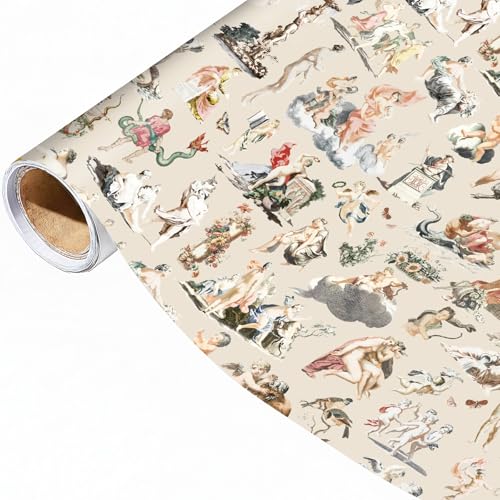
Pineraap Vintage Greek Mythology Wrapping Paper Roll – 17Inch x 16.4Feet – Ancient Gods Goddesses Theme Gift Wrap for Themed Parties,Weddings,Birthdays
YOU WILL GET:1 roll of Greek mythology wrapping paper,providing ample material for numerous gift-wrapping projects.Each roll is carefully…
As an affiliate, we earn on qualifying purchases.
As an affiliate, we earn on qualifying purchases.