
🔍 Read the full analysis: Steal This: The Signature Technique Behind “The Cenotaph At Night | A Two-Minute Vigil” on ThorstenMeyerAI.com

Prime made for students and young adults
- Fast, free delivery for dorm and study essentials
- Prime Video and Amazon Music included
- Member-only deals
TL;DR
This article explores the distinctive design and technical strategies behind ‘The Cenotaph at Night | A Two-Minute,’ a digital memorial emphasizing stillness and contemplation. The piece details how minimal interaction, static visuals, and timed silence create a powerful experience, with insights into its significance.
The virtual memorial ‘The Cenotaph at Night | A Two-Minute’ employs a distinctive design technique centered on minimalism and timed silence, creating a contemplative space that emphasizes stillness over spectacle. Its core feature is a static, floodlit photograph paired with a carefully orchestrated two-minute countdown, during which visitors experience a shared, silent moment of remembrance. This deliberate restraint transforms digital space into a quiet act of civic ritual, making it a notable example of how digital memorials can evoke solemnity without relying on animation or sound.
The experience is built around a static, floodlit photograph of a war memorial, deliberately avoiding looping videos or animations to preserve its meditative tone. A scroll-driven clock transitions from 23:58 to midnight, during which the interface dims, pauses grain and petals, and reveals names and inscriptions in a carefully timed sequence. The names are dynamically generated but appear as a semantic list, accessible to screen readers, emphasizing inclusivity and accessibility. An optional soundscape, featuring low tones and wind effects, enhances the experience at midnight but fades out to maintain solemnity. The design employs CSS techniques like monochrome grading, precise sizing, and cover cropping to ensure visual consistency across devices, with a focus on materiality and timed silence as the signature features.
Steal This: The Signature Technique Behind “The Cenotaph At Night | A Two-Minute Vigil”
How one virtual memorial turns deliberate restraint into ritual: a static, floodlit photograph, a scroll-driven clock counting from 23:58 to midnight, and two minutes of shared silence — built with nothing but HTML, CSS, and vanilla JavaScript.
Stillness Over Spectacle
The memorial was built on a brief that mandated purity and control: a self-hosted, static visual asset paired with a timed scroll interaction that culminates in a silent, shared moment of remembrance. Every design decision reinforced one principle — quiet dignity.
One Floodlit Photograph
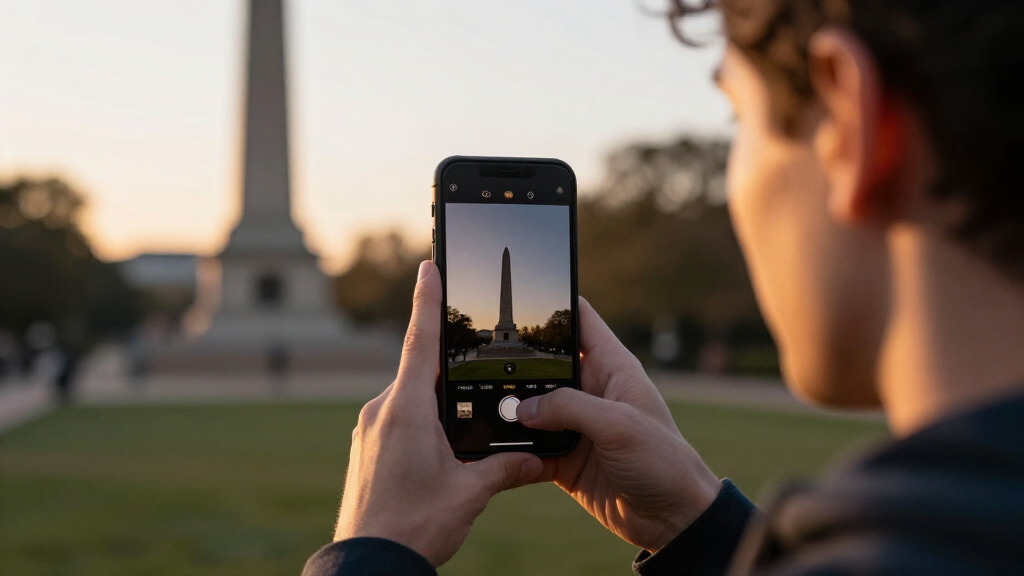
A single, static image of a war memorial at night — monochrome graded, precisely sized, and cover-cropped for consistency across every device. No looping video. No motion.
The Two-Minute Vigil
A scroll-driven countdown orchestrates the experience: the interface dims, grain and petals pause, and names and inscriptions reveal in a carefully timed sequence toward midnight.
Accessibility First
Dynamically generated names render as a semantic list, fully available to screen readers — proving restraint and inclusion are not competing goals in memorial design.
The Vigil Sequence, Minute by Minute
The experience unfolds as a scroll-driven clock. Each phase narrows the visitor’s attention until only silence remains — the technique other designers are encouraged to steal.
The Approach
Floodlit memorial photograph fills the frame. Grain and drifting petals establish quiet atmosphere.
The Dimming
Interface dims; motion pauses. Names and inscriptions begin their timed, sequenced reveal.
Midnight
Optional low-tone and wind soundscape swells briefly — then fades out to preserve solemnity.
Shared Silence
Total stillness. The visitor holds a two-minute vigil — digital space transformed into civic ritual.
What’s In, What’s Deliberately Out
The technique’s power comes as much from omission as inclusion. Here is the restraint checklist behind the memorial’s contemplative tone.
| Technique | Used | Purpose |
|---|---|---|
| Monochrome CSS grading | ✓ Yes | Unifies tone across devices; reinforces gravity of the floodlit scene. |
| Cover cropping & precise sizing | ✓ Yes | Guarantees visual consistency on every screen without distortion. |
| Scroll-driven clock (vanilla JS) | ✓ Yes | Maps scroll position to the 23:58 → midnight arc of the vigil. |
| Semantic, accessible name lists | ✓ Yes | Screen readers receive names as structured, meaningful content. |
| Optional soundscape | ~ Optional | Low tones and wind at midnight; user-controlled, then faded out. |
| Looping video / animation | ✗ None | Motion would break the meditative tone and sense of timelessness. |
| Frameworks / external assets | ✗ None | HTML, CSS, and vanilla JS only — purity and full control of the moment. |
Where This Memorial Sits
Memorial Site
Tribute Page
At Night
Open Questions Behind the Silence
Deliberate restraint transforms digital space into a quiet act of civic ritual — solemnity without animation or sound.
How do diverse audiences receive it?
It remains unclear how visitors from different cultural backgrounds perceive and engage with such a restrained approach to remembrance.
Does timed silence have lasting impact?
The long-term emotional effectiveness of a two-minute digital vigil is still to be studied; viewer feedback is only now emerging.
Will the technique spread?
As a recent, primarily experimental project, its influence on future memorial design and virtual civic rituals is still uncertain.
What comes next?
Engagement and emotional-response assessments may inform adaptations — possibly more interactivity, held in balance with the core principles of silence.
Where the Approach Could Travel Next
Designers are already discussing how the methodology — materiality plus timed silence — might transfer to other contexts. Estimated maturity of each potential direction:
Why This Digital Memorial’s Restraint Matters
This approach demonstrates how digital memorials can evoke emotional depth through simplicity and discipline. By emphasizing static visuals, timed silence, and minimal interaction, ‘The Cenotaph at Night’ offers a space for reflection that contrasts with more dynamic or animated virtual experiences. Its design underscores the potential of digital spaces to foster solemnity and shared remembrance without spectacle, influencing future approaches to memorial design and civic rituals in virtual environments. This method also highlights the importance of accessibility and user control in creating inclusive digital memorials.
As an affiliate, we earn on qualifying purchases.
Design Philosophy and Development of the Memorial Experience
The creation of ‘The Cenotaph at Night’ was guided by a desire to prioritize stillness and materiality over motion and performance. The project was executed using only HTML, CSS, and vanilla JavaScript, with no external assets or frameworks, emphasizing purity and control. The design brief mandated a self-hosted, static visual asset—a floodlit photograph—paired with a timed scroll interaction that culminates in a silent, shared moment of remembrance. The process involved multiple critique rounds focusing on restraint, accessibility, device consistency, and emotional impact, culminating in a site that embodies quiet dignity and meditative silence.
As an affiliate, we earn on qualifying purchases.
Unresolved Aspects of the Memorial’s Impact and Reception
While the design aims for a universal, contemplative experience, it is not yet clear how audiences from diverse cultural backgrounds perceive or engage with the restrained approach. The long-term emotional impact and effectiveness of timed silence in digital memorials remain to be studied, and feedback from viewers is still emerging. Additionally, the extent to which this design influences future memorials or virtual civic rituals is uncertain, as the project is relatively recent and primarily experimental in scope.
As an affiliate, we earn on qualifying purchases.
Future Developments and Potential Expansions
Further assessments of user engagement and emotional response are expected to inform potential adaptations or expansions of this approach. Developers and designers may explore integrating more interactive elements while maintaining the core principles of restraint and silence. There is also interest in applying this methodology to other memorial contexts or civic rituals, with ongoing discussions about how digital spaces can enhance collective remembrance without compromising solemnity. Monitoring audience feedback and scholarly evaluations will shape the evolution of this design philosophy.
As an affiliate, we earn on qualifying purchases.
Key Questions
How does the design of ‘The Cenotaph at Night’ foster reflection?
The design emphasizes static visuals, timed silence, and minimal interaction, creating a quiet, shared space for contemplation without distraction or spectacle.
What technical methods support the experience’s restraint?
The site uses CSS techniques like monochrome grading, cover cropping, and precise sizing, along with vanilla JavaScript for scroll-driven timing, avoiding animations or external assets.
Can users customize the experience?
Yes, there is an optional sound switch that produces low tones and wind effects, which fades out at midnight to preserve the solemn atmosphere.
Why is the experience static and silent?
This deliberate choice aims to evoke a sense of stillness and timelessness, emphasizing the gravitas of remembrance over visual spectacle or motion.
Will this approach influence future memorial designs?
Potentially, as its emphasis on restraint and materiality offers a model for creating contemplative digital memorials that prioritize shared silence and accessibility.
Source: ThorstenMeyerAI.com
Halloween Picks
halloween
As an affiliate, we earn on qualifying purchases.