
TL;DR
A webcam-based blink-rate tracker is being tested as a tool to help remote workers reduce eye strain. The app estimates blink frequency and encourages breaks, aiming to improve eye comfort.
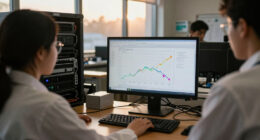
A new webcam-based application designed to estimate blink rate and prompt regular eye breaks is entering pilot testing among remote workers. This development aims to address the rising concern of digital eye strain caused by prolonged screen time, especially as remote and hybrid work models increase daily laptop use.

Prime made for students and young adults
- Fast, free delivery for dorm and study essentials
- Prime Video and Amazon Music included
- Member-only deals
The proposed on-device webcam app uses computer vision technology to monitor blink frequency without transmitting video data externally. It provides real-time nudges for users to take 20-20-20 breaks when blinking drops below healthy levels, with the goal of reducing symptoms like dry eyes, headaches, and fatigue. The pilot involves twenty remote workers over two weeks, with initial feedback indicating improved eye comfort and adherence to break schedules, according to IdeaNavigator AI.
Market interest is growing in digital eye health solutions, with this app representing a practical, privacy-conscious approach. It is designed for individual users and small teams, offering a subscription model. The project’s success will depend on whether users find the tool effective enough to sustain long-term use and pay for the service.
Potential Impact on Remote Work Eye Health
This development could significantly improve eye health for millions of remote workers who spend over eight hours daily on screens. By providing an objective, automated signal for eye strain, the app offers a proactive way to prevent symptoms before they become severe. If successful, it could lead to widespread adoption of similar tools, reducing the burden of digital eye strain and associated productivity losses.
Popular right now

Roborock Q10 S5+ Robot Vacuum and Mop with Self-Emptying Station, 10,000 Pa Suction

Shark Navigator Robot Vacuum with 30-Day Self-Empty Base, White (AV2110S)

DREAME D20 Air Plus Robot Vacuum and Mop with Auto-Empty Dock
As an affiliate, we earn on qualifying purchases.
Rising Screen Time and Digital Eye Strain Trends
The increase in remote work since 2020 has led to longer daily screen exposure for many employees, intensifying concerns over digital eye strain. Traditionally, workers only notice symptoms after they become severe, leading to discomfort and decreased productivity. Existing solutions often rely on manual reminders or eye care routines, which are inconsistent. The use of webcams and computer vision to objectively monitor blink rate is a recent innovation, enabled by advancements in on-device processing and privacy-preserving AI.
“Monitoring blink rate through webcams offers a promising way to objectively assess eye strain and encourage healthier screen habits.”
— an anonymous researcher
Uncertain Long-Term Effectiveness and Adoption
It remains unclear whether the app’s early positive results will translate into sustained long-term use and real-world effectiveness. The pilot is limited to twenty participants, and broader adoption depends on user acceptance, accuracy of blink detection, and integration into daily routines. Further studies are needed to confirm whether objective monitoring can reliably prevent eye strain over extended periods.
Next Steps for Validation and Wider Deployment
Following the pilot, developers plan to analyze user feedback and eye comfort reports to refine the app. Larger-scale trials are expected to assess long-term benefits and usability. If results are favorable, the team may launch a commercial version and explore integrations with existing remote work platforms. Monitoring data and user satisfaction will guide future improvements and potential expansion into corporate wellness programs.
Key Questions
How does the webcam blink-rate tracker work?
The app uses computer vision algorithms on the user’s device to monitor blink frequency in real-time, providing visual cues and reminders to take breaks when blinking drops below healthy levels.
Is my video data sent to external servers?
No, the technology is designed to run entirely on the user’s device, ensuring privacy by not transmitting video footage externally.
Can this app replace existing eye health routines?
It is intended as a supplementary tool to encourage regular breaks; it should not replace comprehensive eye care or medical advice.
When will the app be available for general use?
The developers plan to expand testing and gather more data over the coming months, with a potential commercial launch contingent on pilot success.
Will this work on all webcams and devices?
The initial version is optimized for common laptop webcams; compatibility with other devices will depend on hardware and software requirements identified during development.
Source: IdeaNavigator AI